New Lex Fridman Insight: Noam Chomsky: Putin, Ukraine, China, and Nuclear War
Sent June 11, 2026
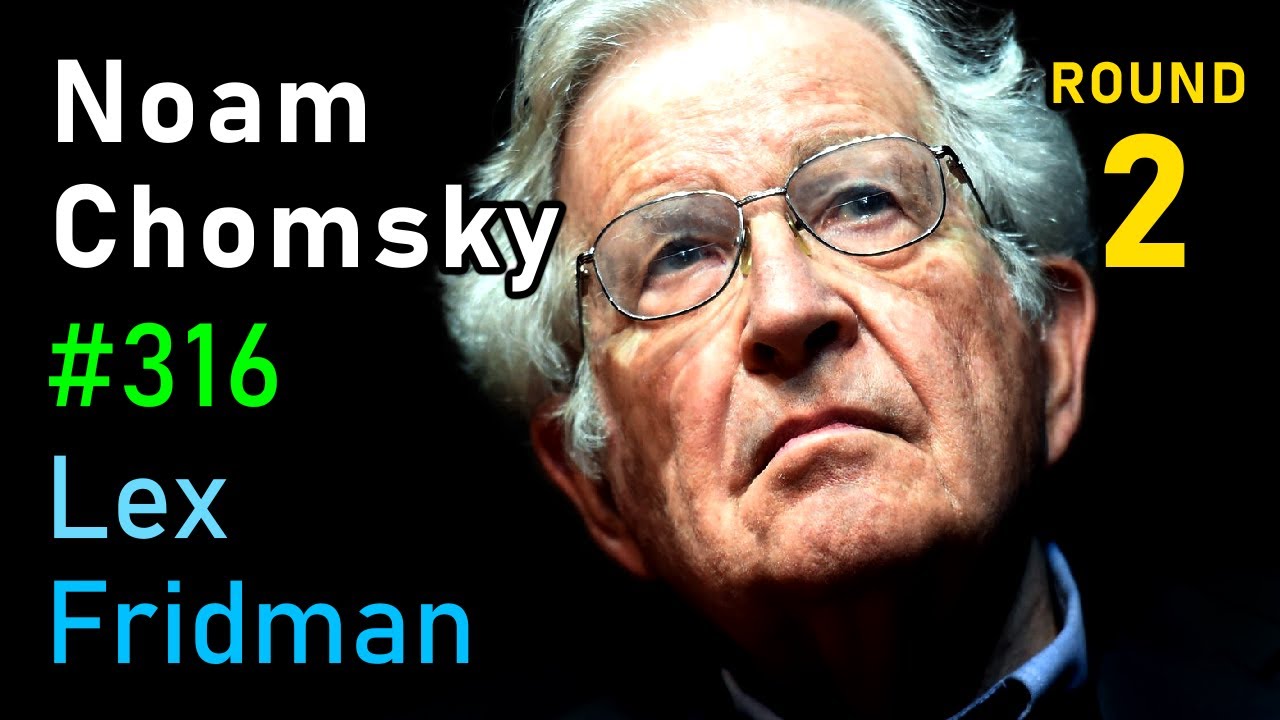
Key Insights
- Chomsky argues NATO's eastward expansion violated promises to Gorbachev, fueling Russian aggression.
- The U.S. has committed $6.9 billion in military aid to Ukraine since Russia's invasion.
- Chomsky claims U.S. foreign policy encircles China with armed states, increasing global tensions.
- U.S. life expectancy is declining despite high healthcare spending, highlighting systemic issues.
- Chomsky warns that U.S. withdrawal from climate agreements threatens global civilization.
How the conversation moved
The episode begins with Lex Fridman framing the discussion around the geopolitical tensions involving Russia, Ukraine, and China, asking Noam Chomsky to elaborate on the motivations behind these conflicts. Chomsky starts by addressing the historical context, particularly focusing on NATO's eastward expansion, which he argues violated promises made to Gorbachev and contributed to Russia's aggressive posture under Putin. This sets the stage for a broader discussion on how these geopolitical maneuvers have long-term implications for global stability.
Chomsky's main argument revolves around the idea that U.S. foreign policy has been provocative, particularly in its dealings with Russia and China. He presents evidence of the U.S. encircling China with heavily armed states and discusses the substantial military aid provided to Ukraine, totaling $6.9 billion since the Russian invasion. Chomsky suggests that these actions are not only aggressive but also increase the risk of conflict, which could have catastrophic consequences for global peace and security.
Despite the gravity of these claims, Lex does not offer significant pushback, allowing Chomsky's assertions to stand largely unchallenged. This lack of counterargument leaves some questions about the nuances of international diplomacy and whether alternative perspectives might offer different insights into these complex issues. A potential counterpoint could have been the strategic necessity of these policies from a U.S. perspective, which was not explored in depth during the conversation.
The discussion eventually pivots to internal U.S. issues, with Chomsky highlighting the country's declining life expectancy and systemic healthcare problems, despite high spending. He also critiques the political system's focus on profit over public welfare, which he argues exacerbates these issues. The episode concludes with Chomsky's warning about the existential threat posed by climate change, particularly criticizing the U.S. withdrawal from international agreements, leaving open questions about how these challenges will be addressed moving forward.
Surprising moments
In-depth
NATO Expansion and Russian Aggression
- NATO's eastward expansion violated promises to Gorbachev.
- Putin's actions are partly motivated by a desire to restore Russia's power.
U.S. Military Aid to Ukraine
- The U.S. has committed $6.9 billion in military aid to Ukraine.
- This aid reflects U.S. strategic interests in the region.
U.S.-China Relations
- The U.S. encircles China with armed states, increasing tensions.
- Chomsky warns of the catastrophic potential of U.S.-China conflict.
Internal U.S. Issues
- U.S. life expectancy is declining despite high healthcare spending.
- Chomsky critiques the U.S. political system's focus on profit over public welfare.
Climate Change and U.S. Policy
- U.S. withdrawal from climate agreements harms global efforts.
- Chomsky warns of the existential threat posed by climate inaction.
Notable Quotes
Anyone who doesn't worry about nuclear war doesn't have a gray cell functioning.
Still open
- Chomsky questions how the U.S. will address its declining life expectancy amid high healthcare spending.
- The unresolved impact of U.S. withdrawal from climate agreements on global efforts remains a critical concern.
References & Resources
- Manufacturing Consent by Edward Herman and Noam Chomsky — Search