New Lex Fridman Insight: Oliver Anthony: Country Music, Blue-Collar America, Fame, Money, and Pain
Sent May 30, 2026
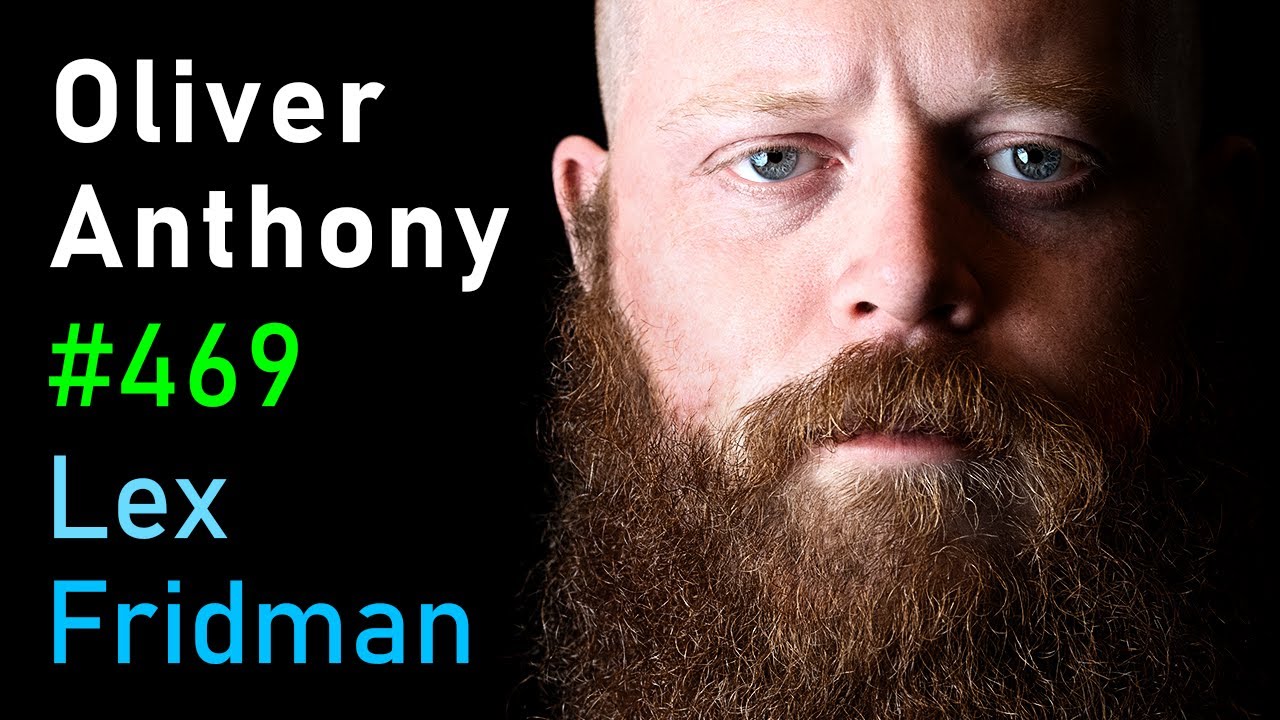
Key Insights
- Oliver Anthony rejected $8 million music industry offers to maintain artistic integrity, refusing to support the 'big machine.'
- Anthony's song 'Rich Men North of Richmond' reached number one on the charts, resonating with audiences across political divides.
- Anthony plans to create community music venues in rural areas, offering affordable concert options and fostering local culture.
- He believes that corporate tactics in the music industry lead to a loss of authenticity and individuality.
- Anthony emphasizes the importance of blue-collar workers, noting their lack of cultural representation despite their societal contributions.
How the conversation moved
The episode opens with Oliver Anthony discussing the challenges of maintaining authenticity in the music industry, highlighting how corporate culture often stifles creativity. He frames the conversation around his personal experiences, including his decision to adopt the name Oliver Anthony in tribute to his grandfather, and the impact of commercialization on country music. The host, Lex Fridman, sets the stage by exploring the broader implications of corporate influence on artistic endeavors, prompting Anthony to delve into the loss of individuality in such environments.
Anthony's main argument centers on the detrimental effects of corporate tactics on creativity and authenticity, using his own experiences as a case study. He provides concrete examples, such as his refusal of $8 million offers from the music industry, to illustrate his commitment to maintaining artistic integrity. Anthony also discusses the broader societal issues reflected in his music, particularly the disconnection between artists and their audiences due to commercialization. He draws parallels between his experiences and those of other artists who struggle to remain true to their art in a profit-driven industry.
Despite the compelling narrative, there is little pushback from Lex on Anthony's critique of the music industry. The conversation lacks a counterpoint that might argue for the potential benefits of commercialization, such as increased reach and resources for artists. This absence of tension leaves Anthony's perspective largely unchallenged, though it does highlight his strong stance against the corporate influence in music. Lex's agreement with Anthony's views on authenticity and individuality suggests a shared skepticism towards the industry's current state.
The discussion transitions into Anthony's vision for the future, where he plans to create community music venues that operate outside the traditional corporate model. This pivot reflects his desire to foster genuine connections and cultural representation, particularly for blue-collar workers who are often overlooked. The conversation concludes with Anthony's reflections on mental health and personal responsibility, emphasizing the importance of real-life connections and support systems. While the episode leaves some questions open, it underscores Anthony's commitment to authenticity and community-driven initiatives.
Surprising moments
In-depth
Authenticity in Music
- Oliver Anthony emphasizes the loss of authenticity in commercialized country music.
- He argues that corporate tactics applied to art lead to inauthentic outcomes.
Impact of Bureaucracy on Creativity
- Bureaucracy stifles creativity and passion among engineers, affecting morale.
- Public scrutiny can lead to isolation and self-doubt for influential figures.
Unity Through Music
- Anthony's music resonates across political divides, fostering unexpected unity.
- He compares the unity after his song's release to post-9/11 solidarity.
Blue-Collar Workers' Cultural Representation
- Blue-collar workers feel underrepresented despite their societal importance.
- Trades like plumbing and electrical work need more cultural recognition.
Mental Health and Personal Responsibility
- Anthony describes depression as a loss of meaning in life.
- He highlights the importance of support structures and personal responsibility.
Notable Quotes
People in the music industry give me blank stares when I brush off $8 million offers. I don’t want six tour buses, 15 tractor trailers and a jet.
Still open
- Lex asked how Anthony plans to sustain his music career while rejecting lucrative offers, but Anthony did not provide a detailed plan.