New Lex Fridman Insight: Omar Suleiman: Palestine, Gaza, Oct 7, Israel, Resistance, Faith & Islam
Sent May 30, 2026
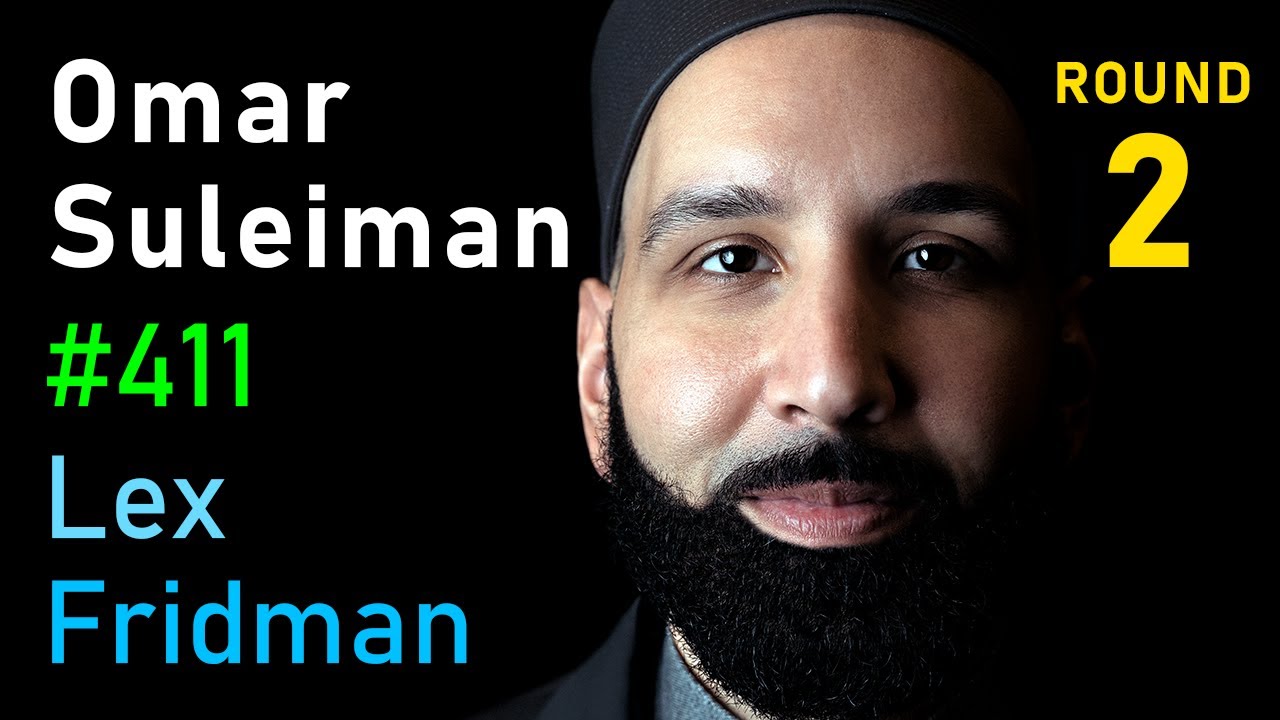
Key Insights
- Over 100 journalists have been killed in Gaza, suggesting intentional military targeting.
- Human Rights Watch and Amnesty International label Israel's actions as apartheid.
- U.S. foreign policy is seen as biased, protecting Israel from accountability.
- The Abraham Accords marginalize Palestinians, erasing them from peace processes.
- Islamophobia in the U.S. has intensified post-October 7, with violent incidents.
How the conversation moved
Lex Fridman introduces the episode by framing the conversation around the humanitarian crisis in Gaza and the broader Israeli-Palestinian conflict. Omar Suleiman, a prominent figure in interfaith dialogue and advocacy for Palestinian rights, begins by detailing the dire situation in Gaza, highlighting the unprecedented targeting of journalists and the apartheid label given by human rights organizations. Suleiman emphasizes the trauma experienced by every Palestinian, portraying Gaza as an open-air prison. This setup establishes the gravity of the situation and the need for international accountability and justice.
Suleiman's main argument revolves around the biased role of U.S. foreign policy in the Israeli-Palestinian conflict. He argues that the U.S. has historically protected Israel from international accountability, undermining its credibility as a peace broker. Suleiman cites James Baldwin's view of Israel as a U.S. military extension in the Middle East, reinforcing the notion that U.S. actions are not geared towards genuine peace. He also highlights the rise in Islamophobia in the U.S., exacerbated by recent events and media narratives, which distract from the core issues of occupation and human rights violations.
Despite the compelling arguments, Lex does not challenge Suleiman's framing directly, leaving some potential counterpoints unexplored. For instance, the conversation could have probed deeper into the complexities of U.S. foreign policy and its historical ties with Israel, or the nuances of the Abraham Accords and their impact on regional dynamics. The lack of pushback leaves Suleiman's critiques largely unopposed, though the episode does touch on the broader implications of these policies on interfaith relations and global perspectives.
The conversation concludes with Suleiman's call for a shift from nationalism to a global perspective in addressing humanitarian crises. He emphasizes the importance of recognizing Palestinian self-determination and the shared experiences of oppressed peoples worldwide. The episode ends on a note of hope, with Suleiman asserting that despite the challenges, the moral universe bends towards justice. This resolution leaves open questions about the practical steps needed to achieve peace and justice in the region, highlighting the ongoing struggle for Palestinian rights.
Surprising moments
In-depth
Gaza Crisis
- Over 100 journalists killed, suggesting intentional targeting.
- Gaza described as the world's largest open-air prison.
- Human Rights Watch and Amnesty label Israel's actions as apartheid.
U.S. Foreign Policy
- U.S. protects Israel from international accountability.
- James Baldwin's view of Israel as an extension of U.S. policy.
- Rising Islamophobia in the U.S. post-October 7.
Palestinian Identity and the Abraham Accords
- The Abraham Accords erase Palestinian presence in peace efforts.
- Netanyahu's stance against a Palestinian state reflects broader Israeli sentiment.
- Palestinian struggle for self-determination continues.
Religious Narratives
- Islam emphasizes peace through submission to God.
- Fewer verses about war in the Quran compared to other religious texts.
- Narratives against Islam distract from other forms of violence.
Notable Quotes
You always know when you live in Gaza that it’s only a matter of time before the next bombs drop.
Still open
- Suleiman questions how the international community can hold Israel accountable for actions labeled as apartheid.
- The episode leaves open the question of how U.S. foreign policy might shift to genuinely support peace in the Middle East.