New Lex Fridman Insight: Paul Rosolie: Amazon Jungle, Uncontacted Tribes, Anacondas, and Ayahuasca
Sent June 11, 2026
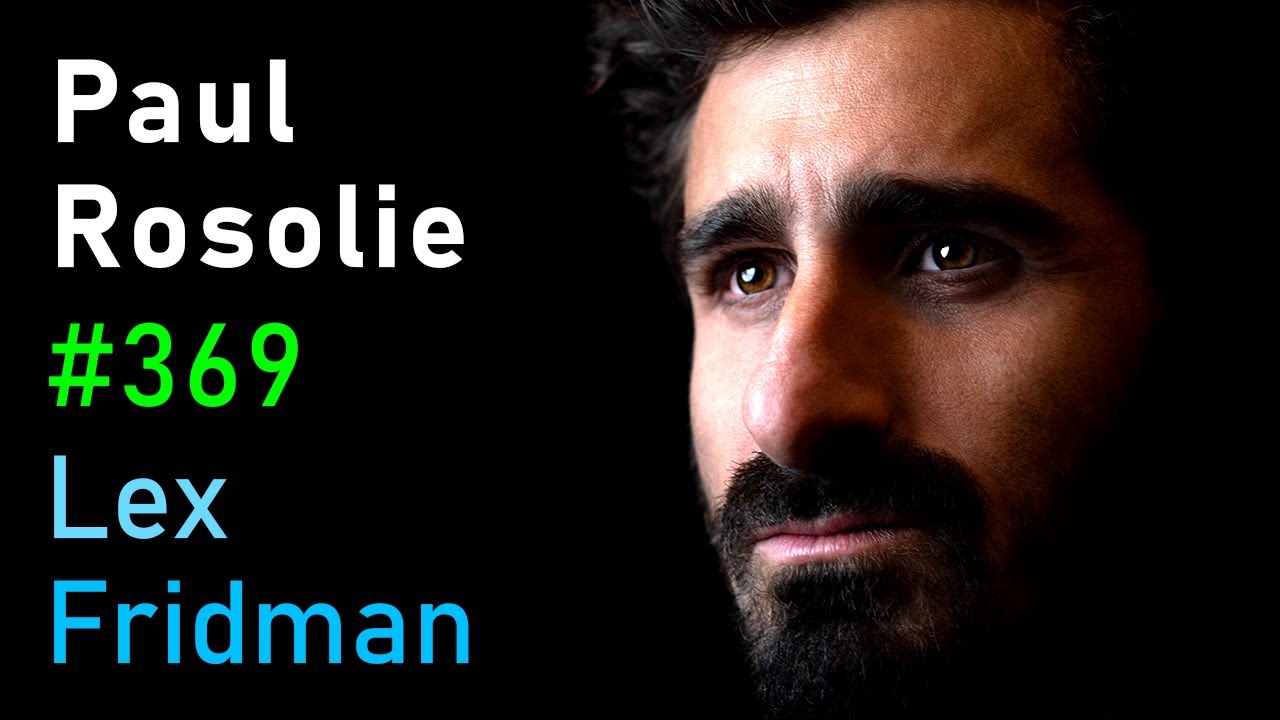
Key Insights
- Paul Rosolie has lived in the Amazon for 17 years, protecting over 50,000 acres through Jungle Keepers.
- Anacondas can grow up to 30 feet and weigh 400 pounds, acting as apex predators in the Amazon ecosystem.
- Artisanal gold mining in the Amazon causes severe mercury pollution and deforestation, affecting local populations.
- Ayahuasca experiences are intense and transformative, often leading to profound realizations about life.
- Uncontacted tribes in the Amazon use animal calls as coded communication to avoid outsiders.
How the conversation moved
Lex Fridman introduces Paul Rosolie, emphasizing his extensive experience in the Amazon and his conservation efforts. Rosolie shares his journey to the Amazon, driven by a childhood fascination with nature, and his commitment to protecting over 50,000 acres through Jungle Keepers. The conversation sets the stage for exploring the intricate relationship between humans and the Amazon, highlighting the importance of conservation in preserving the world's most biodiverse region.
Rosolie discusses the ecological dynamics of the Amazon, focusing on anacondas as apex predators and their role in the ecosystem. He shares insights into the impact of gold mining, which causes severe mercury pollution and deforestation, affecting both wildlife and local communities. The conversation underscores the complexity of the Amazon's ecosystem and the urgent need for sustainable practices to mitigate environmental damage.
Lex challenges the portrayal of the Amazon as a man-made garden, with Rosolie countering that this view undermines the need for conservation. The discussion also touches on the cultural significance of ayahuasca, with Rosolie sharing his transformative experiences and emphasizing its deep roots in Amazonian traditions. This segment highlights the tension between modern perceptions and the intrinsic value of preserving natural and cultural heritage.
The conversation concludes with reflections on uncontacted tribes and their use of coded communication to avoid outsiders. Rosolie emphasizes the resilience and complexity of these indigenous cultures, advocating for their protection amidst external threats. The episode ends with a broader discussion on the importance of ecological awareness and the role of social media in amplifying conservation efforts, leaving open questions about the future of the Amazon and its inhabitants.
Surprising moments
In-depth
Amazon Conservation
- Paul Rosolie has protected over 50,000 acres in the Amazon.
- Jungle Keepers works to preserve biodiversity in the rainforest.
- Social media plays a crucial role in raising awareness for conservation.
Anacondas and Ecosystem
- Anacondas can grow up to 30 feet and weigh 400 pounds.
- They are apex predators and play a key role in the ecosystem.
- Research challenges the idea that anacondas are only ambush predators.
Gold Mining Impact
- Artisanal gold mining leads to mercury pollution and deforestation.
- Mercury pollution causes birth defects in local populations.
- Efforts to convert miners into conservationists have been made.
Ayahuasca Experiences
- Ayahuasca can lead to profound personal realizations.
- Experiences are often intense due to the brew's potency.
- The cultural significance of ayahuasca in Amazonian traditions is highlighted.
Uncontacted Tribes
- Tribes use animal calls as coded communication.
- The rubber boom led to violence and isolation of tribes.
- Understanding tribal communication highlights cultural resilience.
Notable Quotes
Every night in the jungle, you live in constant awareness of that out there in the darkness are literally millions of heartbeats around you.
Still open
- How can sustainable practices be implemented to mitigate the ecological damage caused by gold mining in the Amazon?
- What are the long-term impacts of mercury pollution on Amazonian wildlife and human populations?