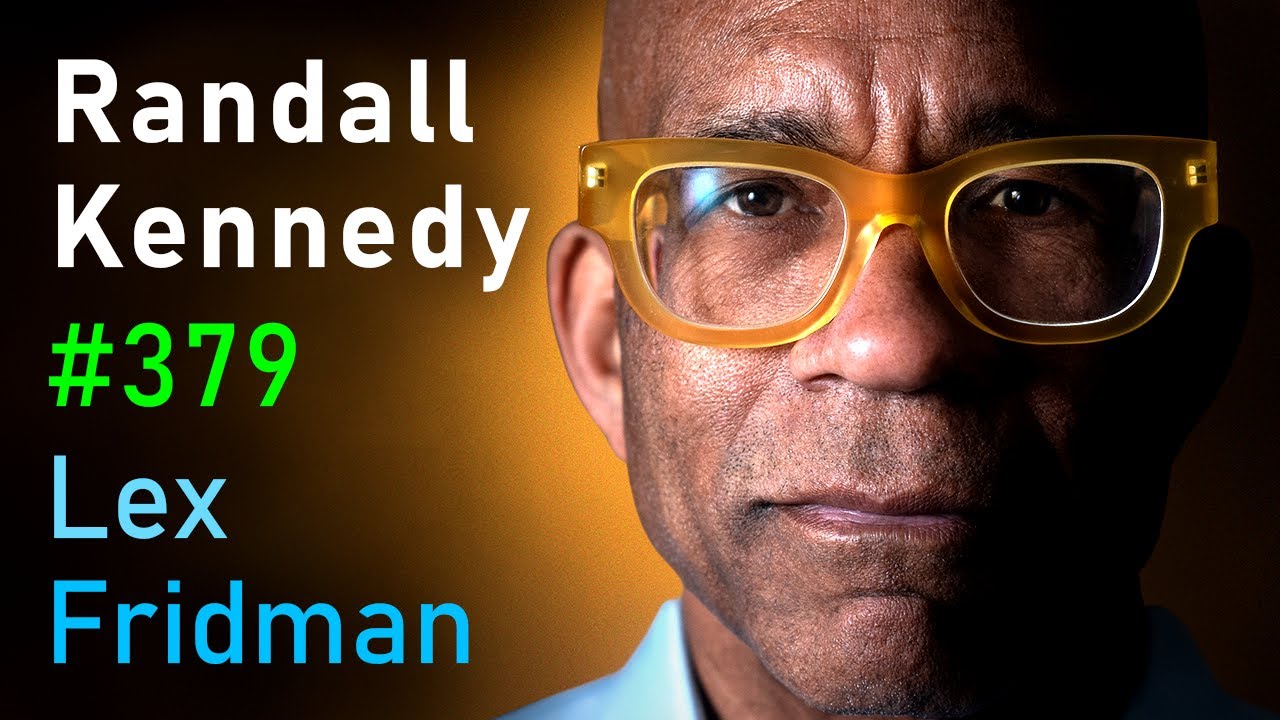
New Lex Fridman Insight: Randall Kennedy: The N-Word - History of Race, Law, Politics, and Power
Sent June 11, 2026
Key Insights
- The N-word's history traces back to the 16th century, evolving from neutral to derogatory by the 19th century.
- Kennedy argues that censoring the N-word erases critical historical and literary contexts.
- Kennedy highlights a 200-point test score gap between affirmative action beneficiaries and peers as significant.
- Kennedy asserts that racial profiling undermines societal equality and fairness.
- Kennedy contends that understanding the N-word is crucial for grasping racial terrorism's history in the U.S.
How the conversation moved
The conversation began with Lex framing the discussion around the historical and contemporary significance of the N-word, with Randall Kennedy providing an overview of its evolution from a neutral term to a derogatory slur by the 19th century. Kennedy emphasized the importance of understanding this word to grasp the history of racial terrorism in the United States, arguing that its presence in literature and education is crucial for a comprehensive understanding of racial issues.
Kennedy's main argument centered on the necessity of context in discussing the N-word, particularly in educational settings. He cited examples of teachers facing disciplinary actions for using the word in a pedagogical context, which he deemed as pedagogically unsound and a misunderstanding of the word's educational significance. Kennedy highlighted the word's unique status among slurs, reflecting the deep-seated stigma imposed on African-Americans and its role in American racial history.
Lex challenged Kennedy on the distinction between variations of the N-word, particularly the difference in impact between the version with an ER and the one ending in GA. Kennedy acknowledged the cultural tension but maintained that understanding the word's historical context was more important than focusing on its variations. Lex also questioned the broader implications of Kennedy's views on academic freedom and censorship, leading to a discussion on the role of educational institutions in addressing sensitive topics.
The conversation concluded with Kennedy asserting the importance of maintaining the N-word in academic and literary contexts to preserve historical and cultural understanding. He argued that removing the word from these contexts would amount to erasing significant parts of American history. The discussion also touched on broader societal issues such as racial profiling, affirmative action, and the complexities of meritocracy, with Kennedy advocating for a nuanced approach that balances historical awareness with contemporary social justice.
Surprising moments
In-depth
Historical evolution of the N-word
- The N-word's origins trace back to Latin and Spanish terms for black.
- By the 19th century, it became a derogatory slur.
- Kennedy uses historical context to argue against censoring the word.
Educational and societal implications of the N-word
- Censoring the N-word risks losing critical educational content.
- Kennedy argues for context-based discussions of the word in education.
- He emphasizes the importance of understanding the word's impact on racial history.
Affirmative action and meritocracy
- Kennedy highlights a significant test score gap between affirmative action beneficiaries and peers.
- He argues this gap challenges meritocratic ideals.
- Kennedy believes addressing societal gaps is crucial for true meritocracy.
Racial profiling and societal equality
- Kennedy argues racial profiling undermines equality.
- He advocates for equal treatment by law enforcement.
- Kennedy emphasizes the importance of fairness in societal principles.
Notable Quotes
The word you're referring to is nigger. The book that you're referring to is Nigger, the Strange Career of a Troublesome Word.
Still open
- Kennedy questioned whether censoring the N-word on social media erases important historical contexts.
- Lex asked about the broader implications of Kennedy's views on academic freedom and censorship.