New Lex Fridman Insight: Richard Craib: WallStreetBets, Numerai, and the Future of Stock Trading
Sent June 11, 2026
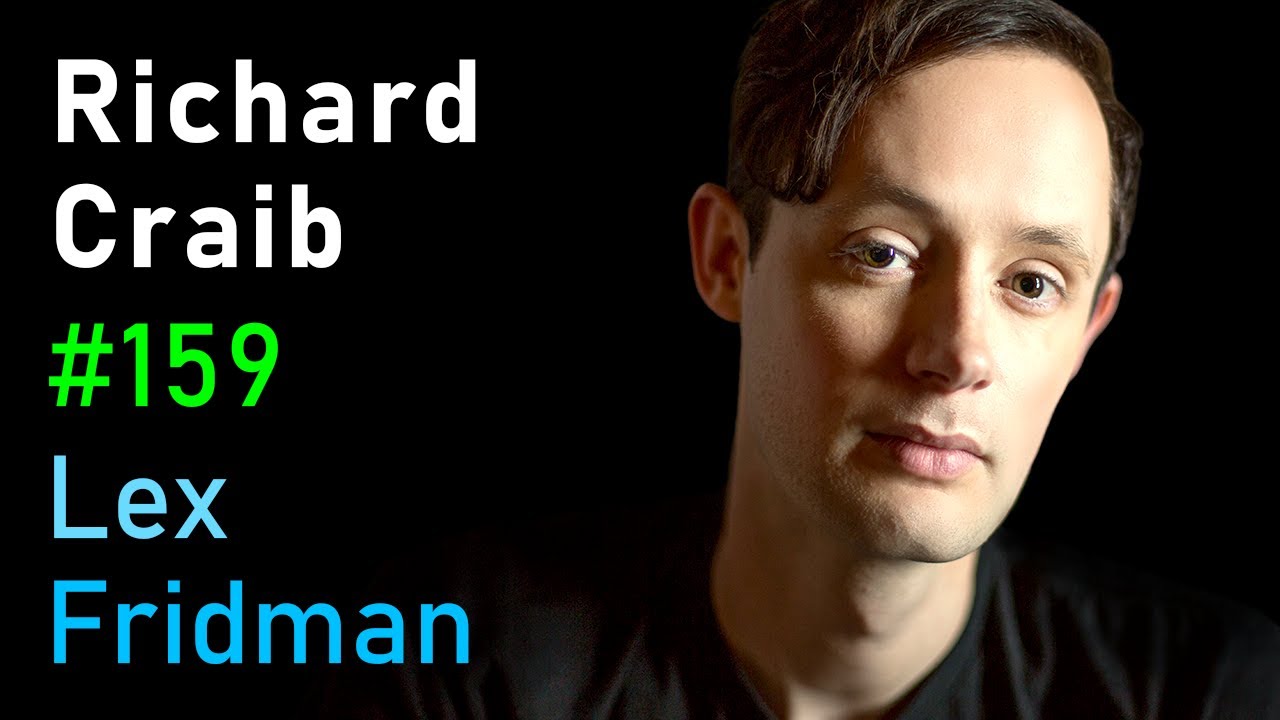
Key Insights
- Numerai uses AI-driven crowdsourcing for stock trading, aiming to manage all global assets by expanding data tenfold annually.
- WallStreetBets coordinated a short squeeze on GameStop, demonstrating decentralized power against hedge funds.
- Numerai's model submission process involves staking cryptocurrency, aligning participants' interests with fund performance.
- Bitcoin's value is questioned due to lack of net present value, while Ethereum's smart contracts offer visionary applications.
- Staking in smart contracts could transform trading dynamics, allowing irreversible commitments in market strategies.
How the conversation moved
The episode begins with Lex Fridman introducing the phenomenon of WallStreetBets and its impact on stock trading, particularly focusing on the GameStop short squeeze. Richard Craib, the guest, frames this as a case of decentralized coordination where retail investors collectively challenged hedge funds. Craib explains the mechanics of short selling and how WallStreetBets' actions exemplified a positive-sum game, where some participants profited while collectively impacting hedge funds. This sets the stage for discussing how decentralized groups can influence financial markets.
Craib then transitions to discussing Numerai, a hedge fund that leverages AI and crowdsourcing to manage assets. He outlines Numerai's ambitious goal to manage all the world's money by exponentially increasing their data and talent pool. Participants submit AI models to predict stock movements, with their predictions weighted by cryptocurrency stakes, aligning their interests with Numerai's performance. This innovative approach challenges traditional hedge fund strategies by democratizing data access and incentivizing accurate predictions.
Lex doesn't challenge Craib's framing of Numerai's potential, though a counterpoint could be the risk of over-reliance on AI models in volatile markets. The conversation touches on the broader implications of cryptocurrency, with Craib questioning Bitcoin's value due to its lack of intrinsic financial metrics. However, he praises Ethereum for its smart contracts, which offer visionary applications beyond Bitcoin's scope. This contrast highlights the evolving landscape of digital currencies and their financial implications.
The episode concludes with a discussion on the potential of staking in smart contracts to transform trading practices. Craib envisions a future where smart contracts enforce irreversible market commitments, preventing manipulation and aligning incentives. This concept could revolutionize how trading strategies are executed, offering transparency and accountability. The conversation leaves open questions about the practical implementation of such systems and their impact on traditional financial institutions, suggesting a transformative yet uncertain future for stock trading.
Surprising moments
In-depth
WallStreetBets and GameStop
- WallStreetBets coordinated a short squeeze on GameStop, challenging hedge funds.
- This event exemplifies decentralized power and a positive-sum game for retail investors.
Numerai's Hedge Fund Strategy
- Numerai uses AI-driven crowdsourcing to manage assets, aiming for global dominance.
- Participants stake cryptocurrency on their model predictions, aligning interests with fund success.
Cryptocurrency Value Debate
- Bitcoin's value is questioned due to lack of net present value and cash flows.
- Ethereum's smart contracts offer visionary applications beyond Bitcoin.
Staking in Financial Markets
- Staking in smart contracts could transform trading dynamics, allowing irreversible commitments.
- This could prevent market manipulation and enforce trading commitments.
Notable Quotes
It was a creative trade, but it wasn't exotic. It wasn't, it was just buying the stock.
Still open
- Richard Craib wonders about the practical implementation of smart contract staking in trading and its impact on traditional finance.