New Lex Fridman Insight: Richard Dawkins: Evolution, Intelligence, Simulation, and Memes
Sent June 11, 2026
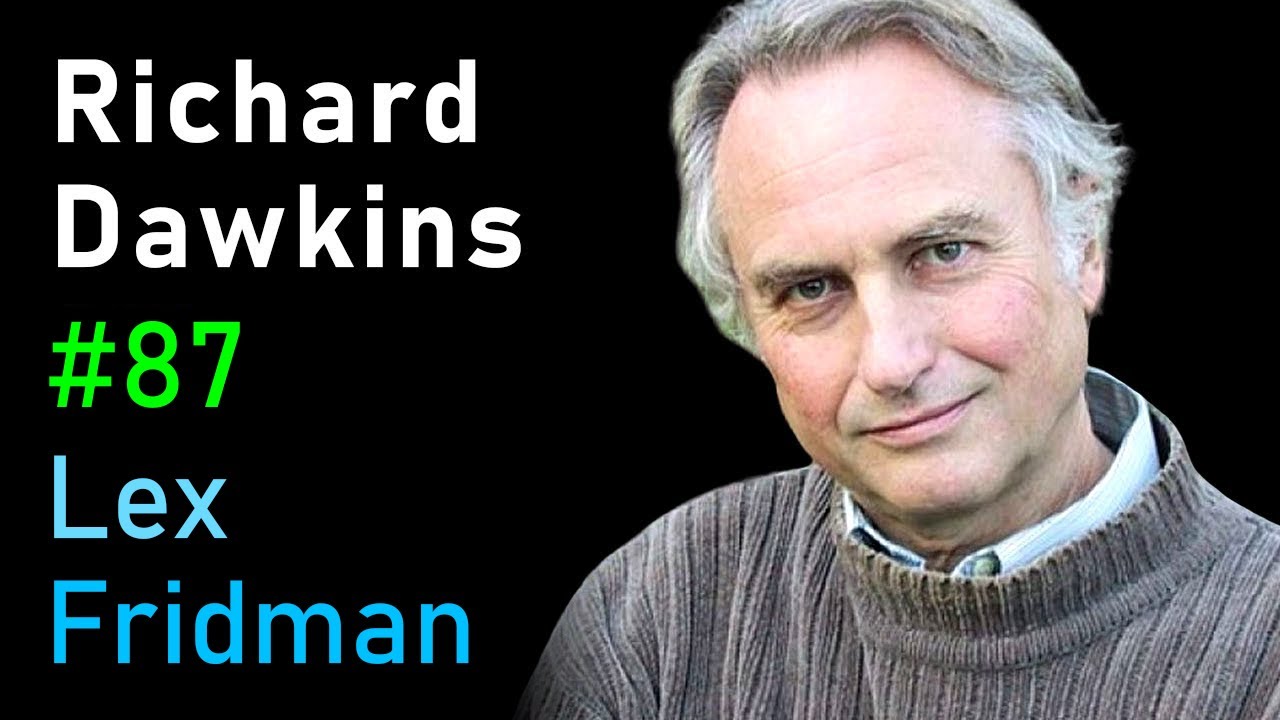
Key Insights
- Dawkins estimates 10^22 stars suggest a high probability of extraterrestrial intelligence.
- Memes, coined by Dawkins, spread cultural ideas akin to genetic propagation.
- Dawkins argues beauty in evolution can be non-utilitarian, challenging Wallace's perspective.
- Moral values have evolved beyond ancient religious texts, reflecting cultural shifts.
- Dawkins sees potential for future AI to be worshipped like gods.
How the conversation moved
The conversation begins with Dawkins addressing the likelihood of extraterrestrial intelligence, framed by the vast number of stars in the universe. He argues that if life exists elsewhere, it will likely follow Darwinian principles, involving natural selection and some form of genetics, though not necessarily DNA. This sets the stage for a broader discussion on evolution and its implications beyond Earth, challenging the notion that Earth's life is unique. Dawkins uses the example of the giraffe's laryngeal nerve to illustrate evolutionary inefficiency, emphasizing that evolution is not a perfect process but one that produces remarkable results despite its wastefulness.
Dawkins then introduces the concept of memes, which he coined to describe cultural elements that propagate in a manner similar to genes. He explains how memes can influence human behavior and culture, with the internet accelerating their spread globally. This part of the conversation highlights the parallels between biological and cultural evolution, suggesting that human bodies might be adapted for meme propagation, similar to genetic propagation. Dawkins' argument underscores the significance of memes in understanding cultural dynamics and the evolution of ideas, especially in the digital age.
The discussion shifts to the role of beauty in evolution and the relationship between science, religion, and conspiracy theories. Dawkins contrasts Darwin's and Wallace's views on sexual selection, arguing that beauty can evolve without direct reproductive utility. He critiques supernatural explanations as arrogant and unnecessary, asserting that scientific inquiry should aim to solve mysteries without resorting to religious explanations. Dawkins also touches on conspiracy theories, suggesting they should be evaluated on their own merits, though he dismisses flat Earth theories as nonsensical.
Finally, the conversation explores the evolution of moral values and the potential for technology to reshape religious paradigms. Dawkins argues that moral values have evolved beyond ancient religious texts, reflecting cultural shifts towards secularism and progressivism. He speculates on the possibility of future AI being worshipped as gods, drawing a distinction between deities that exist outside evolutionary processes and those that are products of such processes. This segment concludes with a reflection on Darwin's legacy and the influence of science fiction in shaping scientific understanding, emphasizing the ongoing evolution of ideas and beliefs.
Surprising moments
In-depth
Extraterrestrial Life and Evolution
- Dawkins estimates 10^22 stars suggest high probability of extraterrestrial intelligence.
- Darwinian evolution would likely apply to alien life forms.
- The inefficiency of evolution is exemplified by the giraffe's laryngeal nerve.
Memes and Cultural Evolution
- Memes propagate ideas similarly to genes, influencing culture.
- The internet accelerates meme propagation globally.
- Human bodies may be adapted for meme propagation.
Beauty and Evolution
- Darwin's sexual selection theory allows for non-utilitarian beauty.
- Dawkins critiques supernatural explanations as arrogant.
- Conspiracy theories should be examined individually, despite skepticism.
Moral Evolution and Technology
- Moral values have evolved beyond ancient religious texts.
- Future AI could be worshipped as gods, reflecting cultural evolution.
- Moral progress is not guaranteed to continue indefinitely.
Notable Quotes
If you deny that, then you're committed to the view that the things that happened on this planet are staggeringly improbable, I mean, ludicrously off the charts improbable.
Still open
- Dawkins questions whether future intelligent machines could be worshipped as gods, reflecting on the cultural implications.
- He wonders if moral progress is guaranteed to continue or if it could regress.
References & Resources
- The Selfish Gene by Richard Dawkins — Search
- The Blind Watchmaker by Richard Dawkins — Search
- The God Delusion by Richard Dawkins — Search
- The Magic of Reality by Richard Dawkins — Search
- The Greatest Show on Earth by Richard Dawkins — Search
- All Growing God by Richard Dawkins — Search
- The Black Cloud by Fred Hoyle — Search
- Contact by Carl Sagan — Search
- Machines Who Think by Pamela McCorduck — Search
- Counterfeit World by Daniel Galouye — Search
- Nick Bostrom's Simulation Argument by Nick Bostrom — Search
- Dark Universe by Daniel Galloy — Search