New Lex Fridman Insight: Rick Rubin: Legendary Music Producer
Sent June 11, 2026
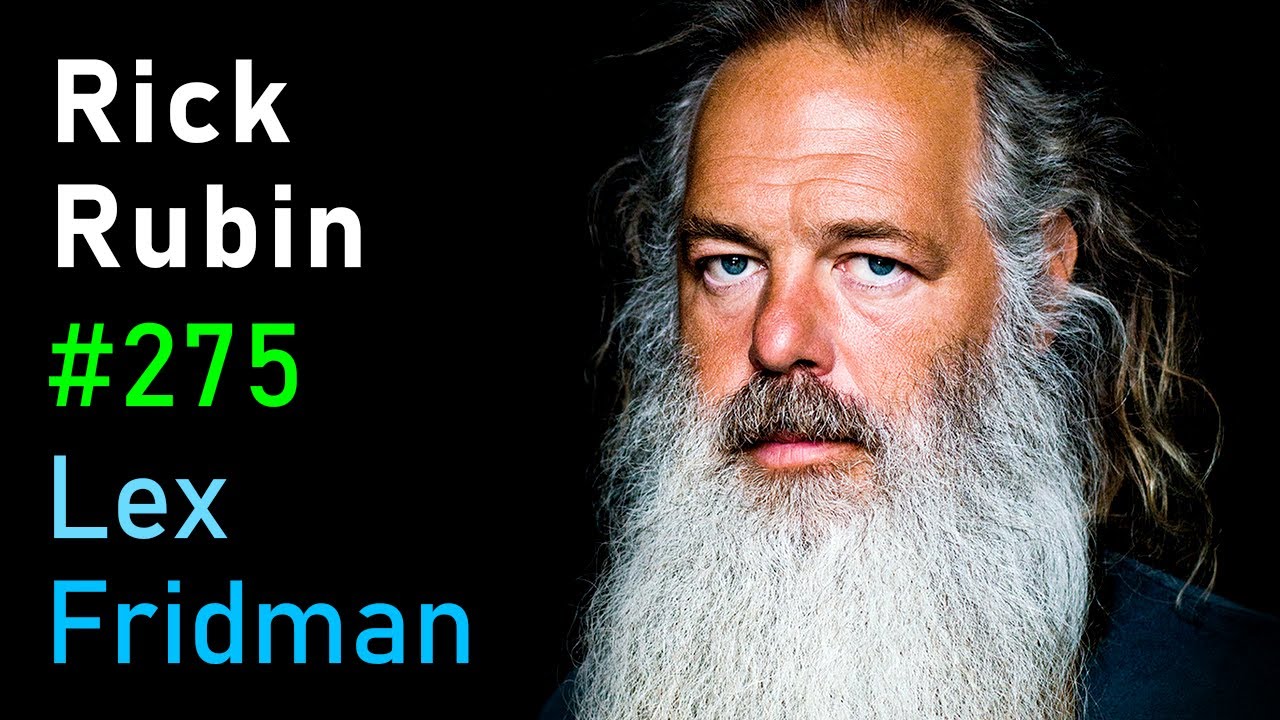
Key Insights
- Rick Rubin has produced music for iconic artists like the Beastie Boys and Johnny Cash over the past 40 years.
- Rubin believes each U.S. region has a unique sound that affects how music resonates with listeners.
- Rubin emphasizes simplicity in music production, suggesting fewer elements allow for more personality.
- Rubin argues that understanding an artist's intentions is crucial for successful collaboration.
- Rubin stresses protecting the artistic process from business pressures to foster creativity.
How the conversation moved
The host introduces Rick Rubin as a legendary music producer, setting the stage for a discussion on his extensive influence in the music industry. Rubin begins by reflecting on his career, mentioning his work with iconic artists like the Beastie Boys and Johnny Cash, and emphasizes the unique sound each U.S. region brings to music. This sets the framework for understanding how cultural and geographical contexts influence music production and listener reception.
Rubin's main argument revolves around the importance of simplicity and collaboration in music production. He provides concrete examples of how fewer elements in a song can lead to more powerful expressions, citing Marvin Gaye's acapella performances as a testament to this philosophy. Rubin also stresses the necessity of understanding an artist's intentions, describing the creative process as a collaborative journey rather than a hierarchical relationship.
Despite the depth of Rubin's insights, there is a noticeable lack of pushback from the host, leaving some of Rubin's more subjective claims unchallenged. For instance, Rubin's assertion that each U.S. region has a unique sound could have been explored further with counterexamples or additional context. Additionally, his emphasis on simplicity in music production could have been contrasted with successful complex compositions to provide a more balanced view.
The conversation concludes with Rubin reflecting on the emotional depth of songwriting and the evolution of artistic expression over time. He highlights the importance of protecting the artistic process from business pressures, underscoring his belief that creativity should be shielded from commercial influence to maintain its integrity. The discussion leaves open questions about the balance between artistic freedom and commercial viability, suggesting areas for future exploration.
Surprising moments
In-depth
Rick Rubin's Influence
- Rubin produced for iconic artists like the Beastie Boys and Johnny Cash.
- He believes each U.S. region has a unique sound affecting music resonance.
Collaboration in Music
- Rubin emphasizes understanding artist intentions for successful collaboration.
- He describes the creative process as collaborative, not hierarchical.
Simplicity in Production
- Rubin argues fewer elements in a song allow for more personality.
- He advocates for 'ruthless edits' to focus on essential songs for an album.
Notable Quotes
I believe we know close to nothing, close to nothing, about anything.
Still open
- The conversation leaves open the question of how to balance artistic freedom with commercial pressures, as Rubin emphasizes the need to protect creativity from business influences.