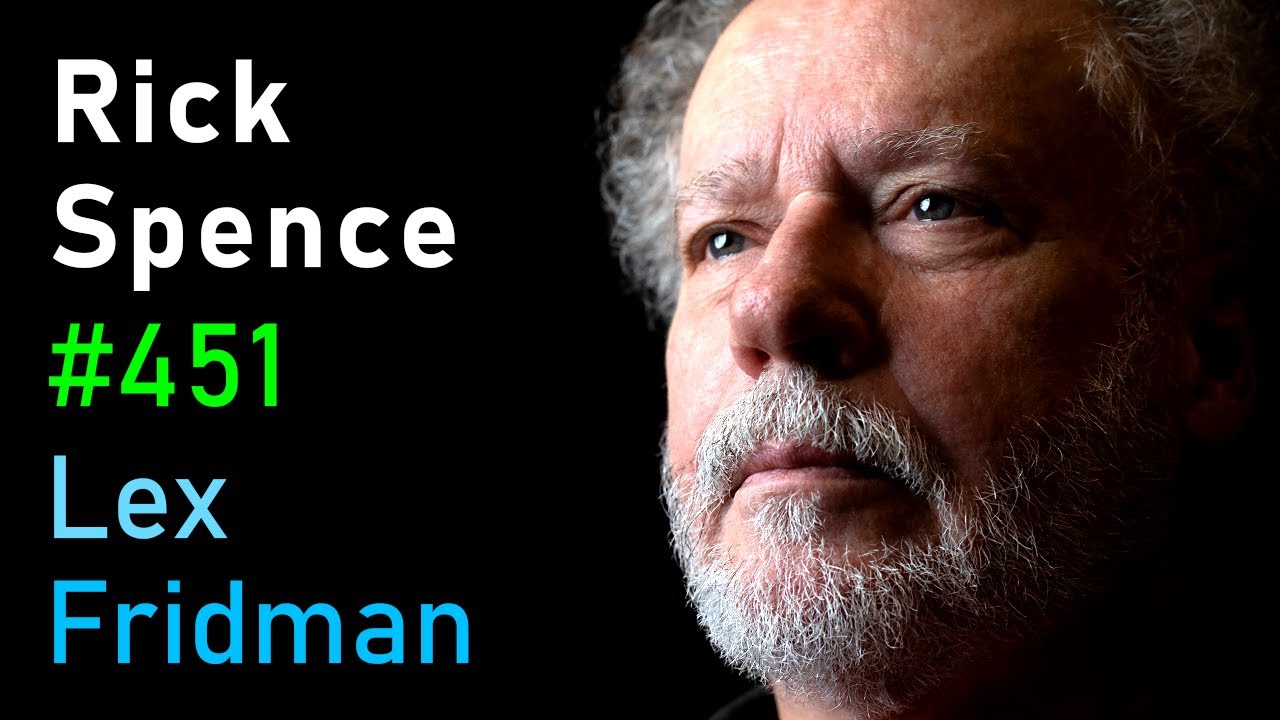
New Lex Fridman Insight: Rick Spence: CIA, KGB, Illuminati, Secret Societies, Cults & Conspiracies
Sent May 30, 2026
Key Insights
- The Okhrana's infiltration of radical parties before the Russian Revolution set a precedent for Soviet intelligence operations.
- The CIA's lack of police powers contrasts sharply with the KGB's unified control over foreign and domestic intelligence.
- MKUltra's mind control experiments included attempts at memory manipulation, raising ethical concerns about intelligence operations.
- The Thule Society's influence on Nazi ideology demonstrates the power of occult beliefs in shaping political movements.
- The Protocols of the Learned Elders of Zion, despite being a forgery, fueled widespread antisemitism by exploiting existing prejudices.
How the conversation moved
The episode begins with Rick Spence examining the historical effectiveness of Russian intelligence agencies, particularly focusing on the Okhrana's role in infiltrating radical parties before the Russian Revolution. Spence highlights how these early intelligence operations set a precedent for Soviet intelligence, with the Cheka incorporating former Okhrana officials. This continuity suggests a long-standing tradition of effective espionage within Russian intelligence services, which Spence argues has been a key factor in their historical success.
Spence then contrasts Soviet intelligence structures with those of the United States, particularly noting the differences between the KGB and the CIA. He points out that the KGB's ability to handle both foreign and domestic intelligence operations gave it a significant advantage over the CIA, which is limited by its lack of police powers. This division, Spence argues, creates a gap in the CIA's operational capabilities, whereas the KGB's integrated approach allowed for more comprehensive intelligence operations.
Throughout the conversation, Lex does not challenge Spence's assertions directly, but the discussion implicitly raises questions about the ethical implications of intelligence operations, particularly in light of programs like MKUltra. Spence describes MKUltra's mind control experiments and the subsequent destruction of records as a lesson in maintaining deniability, highlighting the lengths to which intelligence agencies will go to avoid accountability. This lack of direct pushback from Lex leaves the ethical considerations largely unexplored.
The episode concludes with a discussion on the influence of occult beliefs on political movements, particularly focusing on the Thule Society's role in shaping Nazi ideology. Spence explains how the society's emphasis on Aryan supremacy and occult rituals contributed to the development of Nazi beliefs, illustrating the power of myth and ideology in political contexts. This conversation underscores the potential for fabricated narratives, like the Protocols of the Learned Elders of Zion, to perpetuate harmful stereotypes and incite violence, leaving listeners to ponder the impact of such narratives on modern society.
Surprising moments
In-depth
Russian Intelligence
- The Okhrana's infiltration of radical parties set a precedent for Soviet intelligence.
- Lenin's Vanguard party may have been influenced by Okhrana tactics.
- The Cheka's formation involved former Okhrana officials, showing continuity.
Intelligence Structures
- The KGB handled both foreign and domestic intelligence, unlike the CIA.
- The CIA's lack of police powers limits its operational scope.
- Soviet recruitment often exploited ideological motivations.
MKUltra and Ethics
- MKUltra involved mind control experiments, including memory manipulation.
- The destruction of MKUltra records was to maintain deniability.
- Blackmail and manipulation have been historical tools of intelligence.
Occult and Political Movements
- The Thule Society influenced Nazi ideology with occult beliefs.
- Rituals focus will and intention, creating collective energy.
- The Thule Society's racist beliefs were linked to German nationalism.
Antisemitism and Fabricated Narratives
- The Protocols of the Learned Elders of Zion fueled antisemitism.
- The text combined Jewish and Masonic conspiracies.
- The Protocols' narrative resonated with existing prejudices.
Notable Quotes
If you look at 1917 and you look closely, this is one of the things I’d always tell my students is that there are two Russian revolutions in 1917.
Still open
- Spence questions whether the Thule Society's mystical nationalism was deliberately exploited for political ends, leaving its true impact open to interpretation.
- The conversation leaves unresolved the ethical implications of intelligence operations like MKUltra, particularly regarding accountability and transparency.