New Lex Fridman Insight: Rob Reid: The Existential Threat of Engineered Viruses and Lab Leaks
Sent June 11, 2026
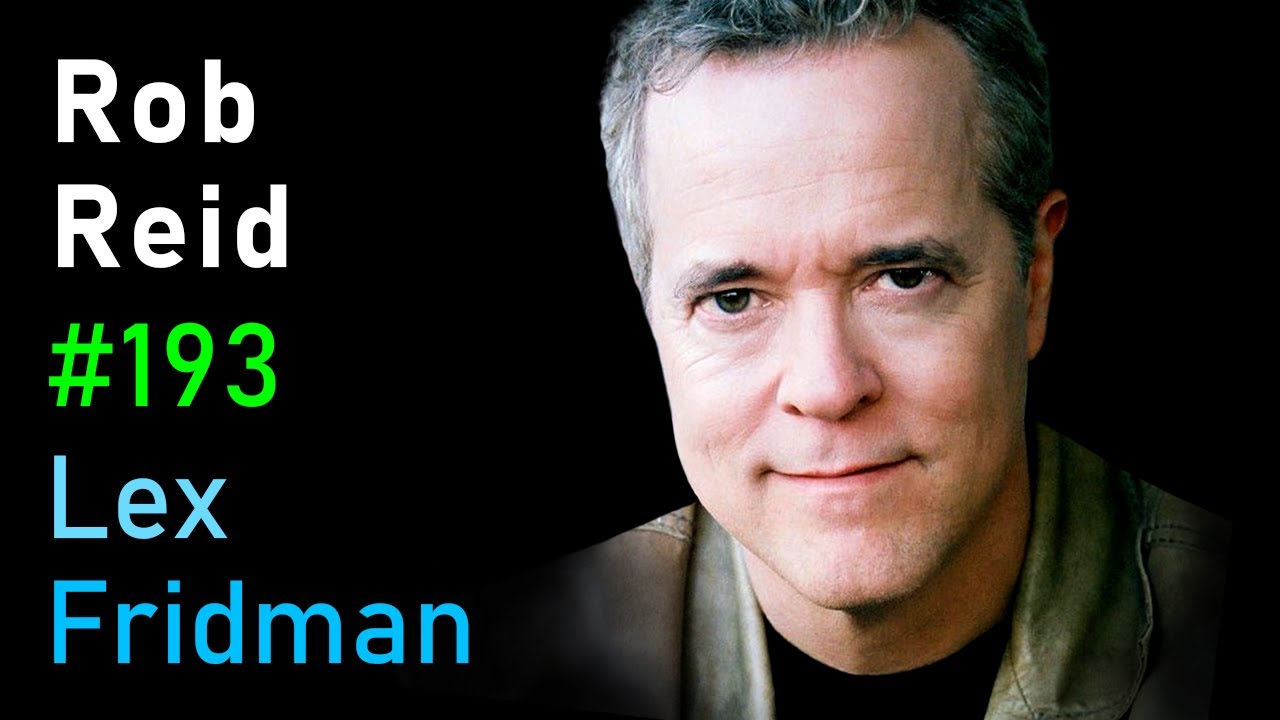
Key Insights
- BSL 4 labs, despite being the highest safety level, are prone to human error, raising concerns about lab leaks.
- Gain of function research on viruses could lead to more deadly and contagious leaks if continued.
- The democratization of synthetic biology poses risks if dangerous genetic information is leaked.
- H5N1 flu's case fatality rate is around 60%, making it much more lethal than COVID-19.
- Effective diagnostic tools, like the Sentinel project, could revolutionize public health by predicting outbreaks.
How the conversation moved
The episode begins with Rob Reid discussing the vulnerabilities of BSL 4 labs, the highest safety level, yet still prone to human error. Reid frames the conversation by highlighting the potential catastrophic consequences of lab leaks, particularly in the context of engineered viruses. This sets the stage for a deeper exploration into the ethics and risks of gain of function research, which aims to enhance the transmissibility or virulence of pathogens.
Reid argues that continuing gain of function research could lead to more deadly and contagious virus leaks, emphasizing the necessity for urgent ethical and safety discussions. He supports his argument with examples of past lab leaks and the potential for engineered pandemics. Reid also touches on the democratization of synthetic biology, which could allow dangerous genetic information to spread more easily, posing additional risks.
Lex Fridman does not challenge Reid's framing directly but raises questions about the balance between scientific advancement and safety. The conversation lacks explicit pushback, though it implicitly questions the scientific community's responsibility in managing these risks. Reid's stance is clear: the potential consequences of a lab leak are too severe to ignore, and current safety measures may be insufficient.
The discussion pivots to the potential for advancements in public health diagnostics, such as the Sentinel project, which could revolutionize outbreak prediction and response. Reid and Fridman explore how early detection systems could improve pandemic preparedness, highlighting the importance of integrating multiple data sources for real-time disease tracking. The episode concludes with a call for more robust public health infrastructure to mitigate future risks.
Surprising moments
In-depth
Lab Safety and Risks
- BSL 4 labs are vulnerable to human error, risking lab leaks.
- Gain of function research could lead to more dangerous virus outbreaks.
Synthetic Biology Concerns
- Democratization of synthetic biology poses risks if dangerous information leaks.
- H5N1 flu's lethality highlights the need for careful handling of such viruses.
Public Health and Diagnostics
- Projects like Sentinel could revolutionize outbreak prediction and response.
- Early detection systems are crucial for pandemic preparedness.
Notable Quotes
If we continue gain of function research on viruses, eventually these viruses will leak, and they will be more deadly and more contagious.
Still open
- Reid questions the ethical justification for gain of function research, given its potential risks.
- The possibility of COVID-19 originating from a lab leak remains unresolved, prompting further investigation.