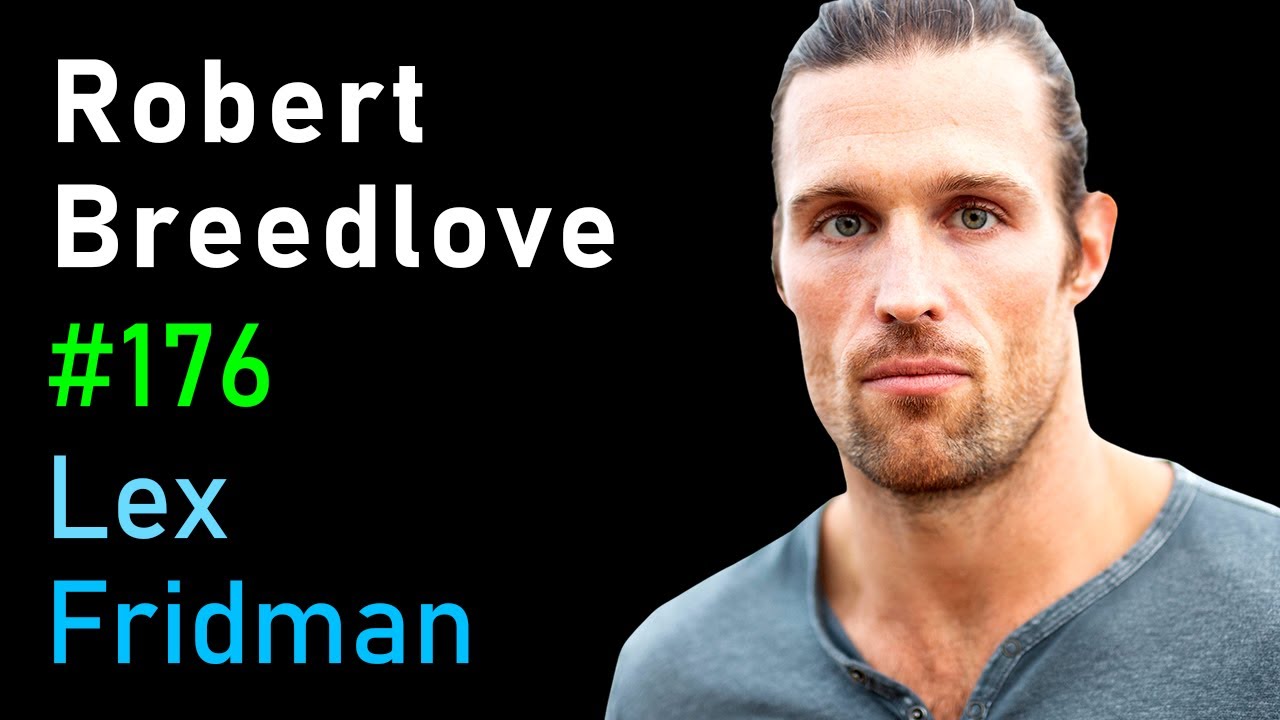
New Lex Fridman Insight: Robert Breedlove: Philosophy of Bitcoin from First Principles
Sent June 11, 2026
Key Insights
- Bitcoin's fixed supply of 21 million coins makes it immune to inflation, unlike fiat currencies.
- Property is defined as a socially recognized relationship between a person and an asset, not the asset itself.
- Inflation is described as legalized counterfeiting, distorting economic incentives and social behavior.
- Bitcoin's decentralized nature makes it resistant to government bans and intervention.
- The Bitcoin community's 'tough love' approach is seen as a cultural immune response to misinformation.
How the conversation moved
The episode begins with Lex Fridman framing the discussion around Bitcoin's philosophical underpinnings, focusing on its implications for sovereignty and individual autonomy. Robert Breedlove introduces the idea that sovereignty has historically decentralized, impacting how individuals interact with money and property. He argues that money is an extension of the mind, influencing cognition and reasoning, and redefines property as a socially acknowledged relationship rather than the asset itself. This sets the stage for a deeper exploration of how these concepts tie into the broader economic and philosophical implications of Bitcoin.
Breedlove's main argument centers on Bitcoin as a superior form of money due to its fixed supply of 21 million coins, which makes it immune to inflation—a stark contrast to fiat currencies. He highlights Bitcoin's divisibility, durability, and decentralized nature as key factors that position it as a revolutionary monetary technology. The conversation delves into the historical evolution of property rights and how government and markets have shaped economic truths. Breedlove presents capitalism's decentralized nature as inherently more efficient than communism, citing the inefficiencies and corruption of centralized systems as evidence.
Lex Fridman does not explicitly challenge Breedlove's framing of Bitcoin, though he raises questions about the certainty within the Bitcoin community, suggesting it could lead to skepticism about its long-term viability. This moment of tension highlights a potential blind spot in the Bitcoin narrative, where unwavering confidence might overshadow critical examination. Despite this, the conversation does not deeply explore counterarguments to Bitcoin's supremacy or the challenges it might face in broader adoption.
The discussion concludes with an exploration of the cultural dynamics within the Bitcoin community, particularly the 'tough love' approach to misinformation and scams. Breedlove argues that this approach serves as a cultural immune response, protecting the community from misinformation while also risking alienation of potential allies. The conversation leaves open the question of how Bitcoin's philosophical and economic principles will play out in the face of government intervention and societal change, hinting at the ongoing evolution of this digital currency.
Surprising moments
In-depth
Sovereignty and Money
- Sovereignty has decentralized over time, influencing individual autonomy.
- Money is an extension of the mind, affecting cognition.
- Property is a socially recognized relationship, not the asset itself.
Inflation and Economic Systems
- Inflation is seen as legalized counterfeiting, distorting incentives.
- Bitcoin's fixed supply makes it immune to inflation.
- Inflation impacts social behavior and economic interactions.
Bitcoin's Resilience
- Bitcoin's decentralized nature resists government bans.
- Open-source networks like Bitcoin outcompete closed systems.
- Bitcoin's community uses 'tough love' to combat misinformation.
Still open
- Lex expressed skepticism about the claim that money is core to life and human interaction, suggesting there may be other factors at play.