New Lex Fridman Insight: Robert Langer: Edison of Medicine
Sent June 11, 2026
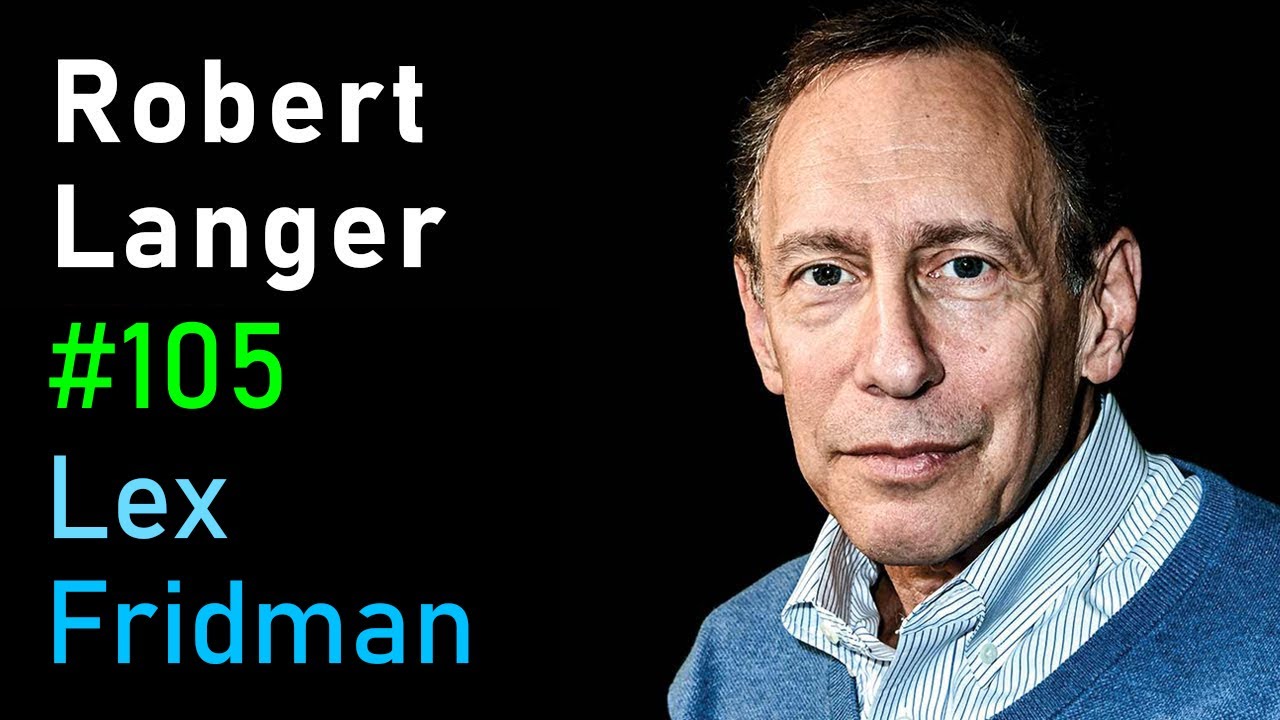
Key Insights
- Robert Langer has over 295,000 citations and an H index of 269, making him one of the most cited engineers.
- The development of Avastin took 28 years from initial research to FDA approval, illustrating the lengthy drug discovery process.
- The cost of developing a new drug exceeds $2 billion, largely due to expensive human clinical trials.
- Langer has been involved in launching 40 companies worth an estimated $23 billion, highlighting the synergy between science and business.
- The future of cancer treatment will likely involve a combination of biology and engineering, focusing on genetic and immunological mechanisms.
How the conversation moved
The episode begins with Robert Langer reflecting on the interplay between magic and science, emphasizing how both can lead to surprising discoveries. He recounts his early career challenges, including multiple rejections from prestigious journals, which taught him the value of perseverance. Langer's early work with Judah Folkman on angiogenesis inhibitors laid the groundwork for future breakthroughs in cancer treatment, despite initial skepticism from the scientific community.
Langer outlines his significant contributions to biotechnology, particularly in drug delivery systems and tissue engineering. He highlights the development of Avastin, the first FDA-approved drug targeting blood vessel growth, which took 28 years from concept to approval. This underscores the lengthy and expensive nature of drug development, with costs exceeding $2 billion primarily due to human clinical trials. Langer's innovations have had a lasting impact, as evidenced by his high citation count and H index.
Despite the clear successes, the conversation lacks direct pushback from Lex, leaving some areas unexplored, such as the ethical implications of the patent system in drug accessibility. Langer's mention of the patent system's dual role in funding and restricting access to drugs could have been a point of contention, but it was not deeply probed. The episode also touches on the importance of combining scientific discoveries with business acumen to successfully launch startups, a synergy Langer has mastered with 40 companies under his belt.
The discussion concludes with a forward-looking perspective on the future of cancer research and the role of engineering and AI in various fields. Langer envisions a future where biology and engineering work hand in hand to develop more effective cancer treatments. He also anticipates AI's growing influence across different sectors, including food science. While the episode covers a broad range of topics, it leaves open questions about the balance between innovation and accessibility in the pharmaceutical industry.
Surprising moments
In-depth
Biotechnology and Drug Delivery
- Langer's significant citation record reflects his impact on biotechnology.
- The development of Avastin illustrates the lengthy process from research to approval.
- Smart drug delivery systems can respond to physiological signals.
Challenges in Drug Development
- The cost of developing a new drug exceeds $2 billion.
- Human clinical trials are the most expensive part of drug development.
- The patent system is crucial yet can impede access to drugs.
Science and Business
- Langer has launched 40 companies worth an estimated $23 billion.
- Successful startups require both scientific and business expertise.
- Funding for basic research is a major concern in the scientific community.
Future Directions in Cancer Research
- The cure for cancer will involve a combination of biology and engineering.
- Engineering will aid in molecule production and delivery systems for cancer treatment.
- AI and engineering will likely impact various fields, including food science.
Notable Quotes
I think magic can surprise you. And, uh, you know, and I think science can surprise you. And there's something magical about, about science.
Still open
- How can the patent system be reformed to balance drug development funding with accessibility?
- What are the ethical implications of the high cost of drug development on global healthcare access?
References & Resources
- A Short History of Nearly Everything by Bill Bryson — Search