New Lex Fridman Insight: Robert Rodriguez: Sin City, Desperado, El Mariachi, Alita, and Filmmaking
Sent May 30, 2026
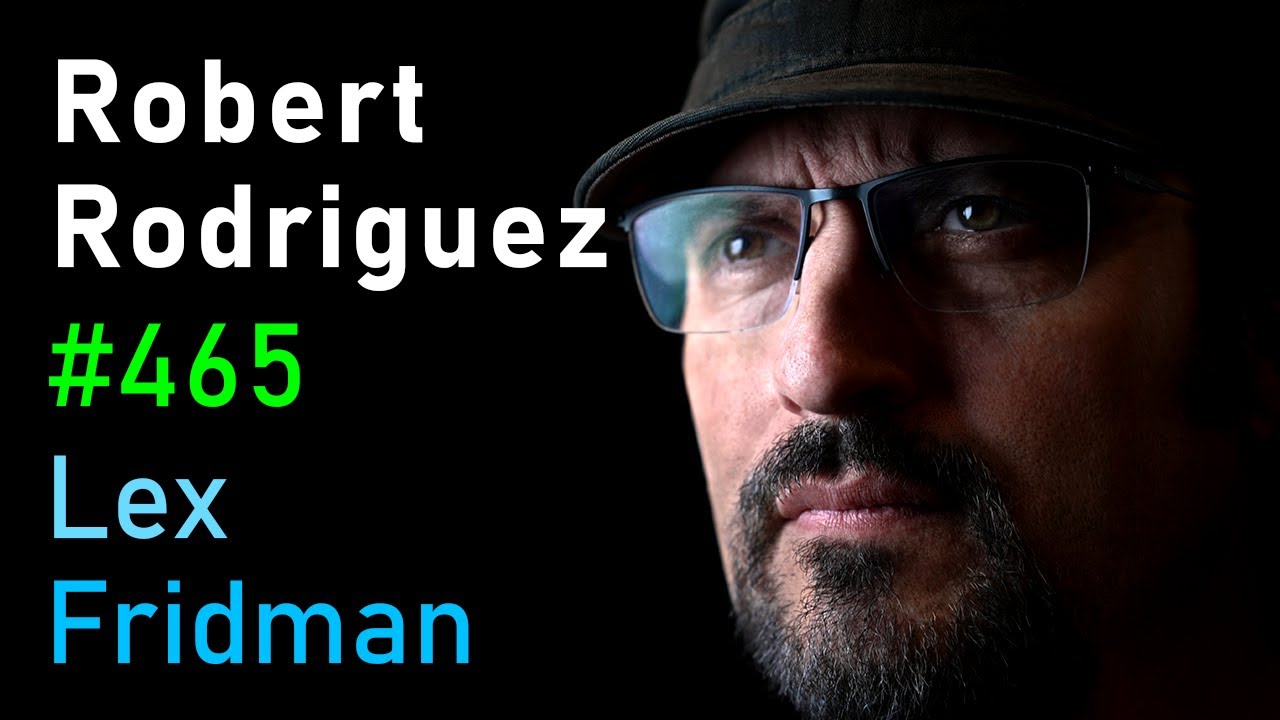
Key Insights
- Robert Rodriguez shot 'El Mariachi' for $7,000, using resourceful techniques that bypassed traditional filmmaking costs.
- Rodriguez emphasizes the importance of creativity over technical skills, suggesting creativity is 90% of filmmaking.
- Rodriguez's 'We Can Be Heroes' became Netflix's most rewatched movie, highlighting the appeal of family-friendly action films.
- Rodriguez built a Latin star system to avoid casting difficulties, featuring actors like Danny Trejo and Salma Hayek.
- Rodriguez's collaboration with James Cameron on 'Alita' utilized advanced performance capture technology for emotional depth.
How the conversation moved
The episode begins with Robert Rodriguez discussing the challenges and creative adaptations necessary in filmmaking. He shares anecdotes from his experiences, such as shooting 'El Mariachi' on a shoestring budget and the importance of real environments over CGI. Rodriguez emphasizes learning from failures and adapting creatively, framing these experiences as essential to his success in the film industry.
Rodriguez argues that creativity is the cornerstone of filmmaking, comprising 90% of the process, while technical skills account for only 10%. He stresses the importance of following one's instincts and acting before feeling ready, suggesting that many filmmakers are hindered by over-planning. Rodriguez's success with low-budget films like 'El Mariachi' and his innovative approaches to filmmaking support his argument that creativity can overcome financial and technical constraints.
Despite the compelling narrative, the episode lacks explicit pushback or tension, as Lex Fridman does not challenge Rodriguez's assertions about creativity versus technical skill. A potential counterpoint could have been the importance of technical skills in ensuring the quality and feasibility of a film, especially in high-budget productions. However, this angle is not explored, leaving Rodriguez's views largely unchallenged throughout the conversation.
The conversation concludes with Rodriguez's reflections on his career and collaborations, particularly with James Cameron on 'Alita'. He highlights the role of advanced technology in enhancing storytelling and the importance of cultural representation through his Latin star system. The episode ends on a note of inspiration, encouraging filmmakers to embrace creativity and innovation, while also recognizing the unpredictable nature of success in the industry.
Surprising moments
In-depth
Filmmaking on a Budget
- 'El Mariachi' was shot for $7,000, showcasing resourceful filmmaking.
- Rodriguez used a wheelchair as a dolly and other unconventional methods.
- He emphasizes learning filmmaking through hands-on experience rather than formal education.
Creativity in Filmmaking
- Rodriguez believes creativity is 90% of filmmaking.
- He advises filmmakers to act before they feel ready, emphasizing action over planning.
- Rodriguez uses limitations to fuel creativity, turning constraints into artistic advantages.
Family-Oriented Content
- 'We Can Be Heroes' became Netflix's most rewatched movie.
- Rodriguez's films often appeal to families, blending action with relatable themes.
- Netflix's demand for action films highlights the streaming service's content strategy.
Cultural Representation
- Rodriguez built a Latin star system to address casting biases.
- He created roles for Latin actors, increasing representation in Hollywood.
- His approach to casting reflects a commitment to cultural authenticity.
Advanced Filmmaking Techniques
- Rodriguez collaborated with Cameron on 'Alita' using advanced technology.
- Performance capture was crucial for emotional depth in 'Alita'.
- The technology used in 'Alita' influenced subsequent high-tech film projects.
Notable Quotes
Sift through the ashes of your failure and you’ll find the key to your next success is in there. But if you’re not looking for it, you don’t find it.
Still open
- Rodriguez mentioned the unpredictability of filmmaking success; how can filmmakers better anticipate audience reactions?