New Lex Fridman Insight: Rodney Brooks: Robotics
Sent June 11, 2026
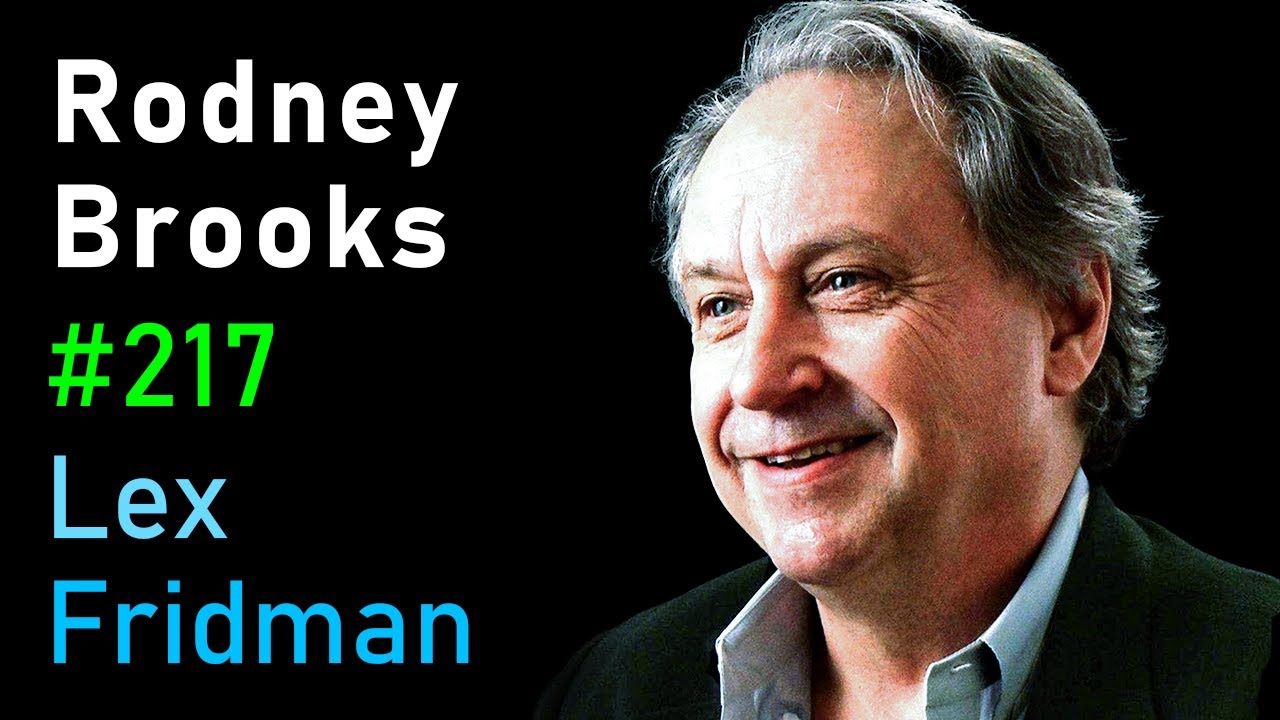
Key Insights
- Rodney Brooks argues that both humans and machines can think, challenging philosophical positions that deny machine intelligence.
- Brooks highlights the limitations of AI systems like AlphaGo, which fail to generalize beyond specific tasks, unlike human intelligence.
- The first fully autonomous car drove over 55 miles per hour in 1987, yet public expectations for autonomous vehicles remain unrealistic.
- Rethink Robotics lost $150 million due to engineering challenges and regulatory hurdles, illustrating the difficulties in commercializing robotics.
- Brooks believes that nearly 100% of people are forgotten over time, reflecting on mortality and the search for meaning in life.
How the conversation moved
The episode begins with Rodney Brooks discussing his early inspirations in robotics and the nature of machine intelligence. Brooks reflects on his career and the companies he co-founded, such as iRobot and Rethink Robotics, emphasizing the importance of teaching robots common sense. He provocatively claims that both humans and machines can think, challenging traditional philosophical positions that deny machine intelligence. This sets the stage for a broader discussion on the evolution of computation and its implications for understanding intelligence, both human and artificial.
Brooks delves into the historical development of computation, referencing key figures like Turing and Minsky, and explores how these foundational ideas have influenced modern AI. He discusses the limitations of current AI systems, using examples like AlphaGo's inability to generalize beyond specific tasks, highlighting the gap between AI capabilities and human adaptability. Brooks argues that while AI can excel in narrow domains, it still falls short of human intelligence in complex, real-world tasks like perception and robotics.
Lex Fridman does not explicitly challenge Brooks' views, but the conversation naturally raises questions about the broader implications of these limitations for AI development and deployment. Brooks' assertion that machines can think might provoke skepticism from those who view intelligence as uniquely human. The discussion touches on the public's unrealistic expectations for autonomous vehicles, emphasizing the historical context of technological advancements and current challenges in achieving full autonomy.
The conversation concludes with Brooks reflecting on the challenges of building robotics companies and the philosophical questions surrounding mortality and legacy. He shares insights from his experiences with Rethink Robotics, highlighting financial and regulatory hurdles that contributed to the company's downfall. Brooks also contemplates the notion of legacy, suggesting that nearly all people are forgotten over time, which leads to a broader discussion on the search for meaning in life. The episode ends on a reflective note, leaving open questions about the future of AI and robotics.
Surprising moments
In-depth
Machine Intelligence
- Rodney Brooks asserts that both humans and machines can think.
- He argues that denying machine intelligence is ludicrous.
AI Limitations
- AlphaGo's failure to generalize to a larger board size illustrates AI's task-specific limitations.
- Human intelligence is more adaptable than current AI systems.
Autonomous Vehicles
- The first fully autonomous car drove over 55 miles per hour in 1987.
- Public expectations for autonomous vehicles are often unrealistic.
Robotics Industry Challenges
- Rethink Robotics lost $150 million due to engineering and regulatory challenges.
- The company aimed to create affordable robots but faced cost overruns.
Mortality and Legacy
- Brooks believes nearly 100% of people are forgotten over time.
- He reflects on the search for meaning in life.
Notable Quotes
Certainly machines can think because I believe you're a machine and I'm a machine and I believe we both think.
Still open
- Brooks questioned whether current AI systems can ever truly solve the symbol grounding problem.
- Lex Fridman asked how public expectations for autonomous vehicles can be aligned with technological realities.