New Lex Fridman Insight: Roger Reaves: Smuggling Drugs for Pablo Escobar and the Medellin Cartel
Sent June 11, 2026
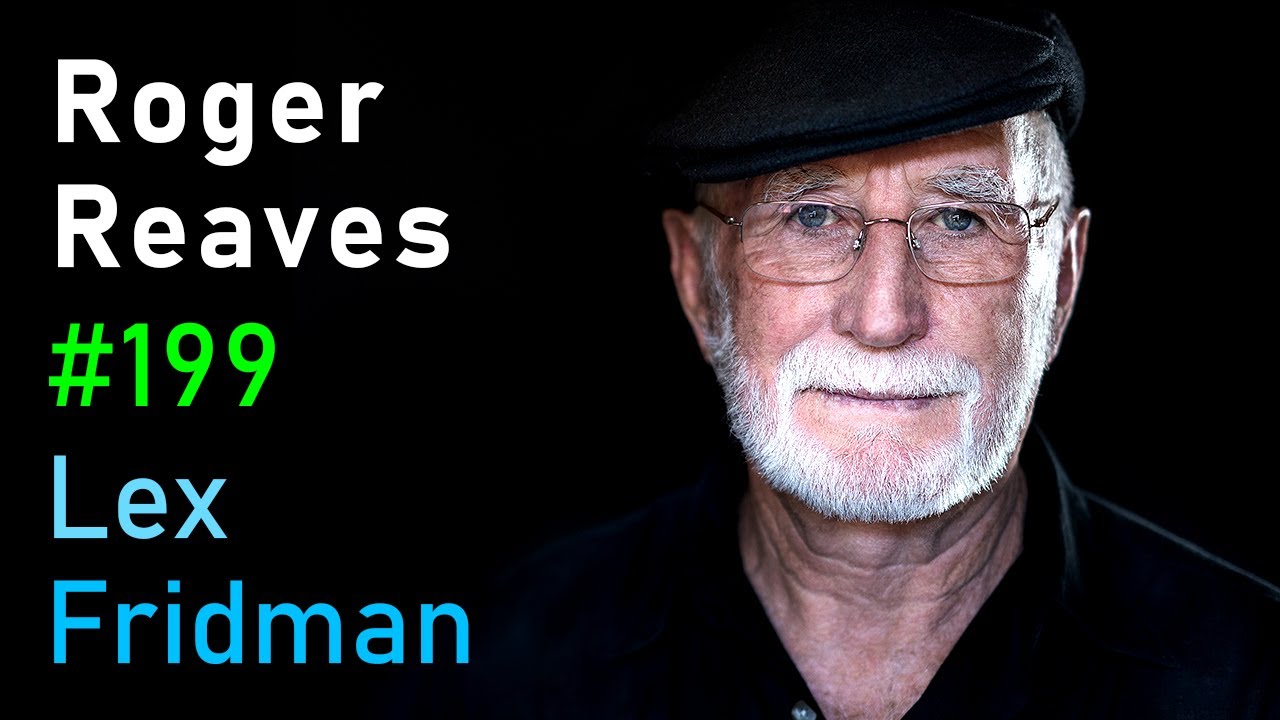
Key Insights
- Roger Reaves smuggled drugs for Pablo Escobar and the Medellin Cartel, experiencing immense wealth and danger.
- Reaves argues the U.S. war on drugs has cost $1 trillion since 1971 with limited success.
- Despite the cartel's violent reputation, Reaves claims there was no betrayal among members due to high profits.
- Reaves escaped from five prisons, including a dramatic courtroom escape in Spain.
- Reaves criticizes the film 'American Made' for misrepresenting Barry Seal's life and character.
How the conversation moved
The episode begins with Roger Reaves recounting his experiences as a drug smuggler for the Medellin Cartel, led by Pablo Escobar and Jorge Ochoa. Reaves describes the immense wealth and danger he faced, including being shot down and escaping capture multiple times. The conversation touches on the broader implications of the drug trade, with Reaves providing a firsthand account of the cartel's operations and internal dynamics. He emphasizes the cartel's structure as having multiple power centers rather than being a dictatorship under Escobar, challenging common perceptions of the organization.
Reaves argues that the U.S. war on drugs, costing $1 trillion since 1971, has been largely ineffective. He advocates for treating drugs as a health issue rather than a criminal one, suggesting that legalization could save and generate billions in revenue. This perspective is supported by his comparison of drug-related deaths to those caused by tobacco, highlighting the need for policy reform. Reaves' critique extends to the prison system, where he recounts his own harrowing escapes and the harsh conditions he endured, underscoring the punitive nature of current policies.
Despite the compelling arguments presented, there is a notable lack of pushback from the host, Lex Fridman, on Reaves' claims. The conversation lacks a critical examination of the potential consequences of drug legalization or a deeper exploration of the ethical implications of Reaves' past actions. This absence of challenge leaves some of Reaves' more controversial statements unexamined, such as his portrayal of the cartel's internal loyalty and the feasibility of treating drug addiction purely as a health issue.
The conversation concludes with Reaves reflecting on his past choices and expressing regret for his involvement in drug smuggling. He critiques the media's portrayal of figures like Barry Seal, emphasizing the importance of accurate representation. Reaves' firsthand accounts provide a nuanced perspective on the drug trade and its impact, but the discussion leaves open questions about the broader societal implications of his experiences and the potential for reform in drug policy and media narratives.
Surprising moments
In-depth
Drug Smuggling Operations
- Roger Reaves smuggled drugs for the Medellin Cartel, working closely with Pablo Escobar and Jorge Ochoa.
- He experienced immense wealth but also significant danger, including being shot down and escaping capture.
- The cartel operated with multiple power centers, not as a dictatorship under Escobar.
U.S. Drug Policy Critique
- Reaves argues the war on drugs has cost the U.S. $1 trillion since 1971 with little success.
- He advocates for treating drugs as a health issue, not a criminal one, to reduce incarceration rates.
- Legalizing marijuana could save and generate $13.7 billion annually.
Prison Experiences and Escapes
- Reaves escaped from five prisons, including a dramatic escape from a Spanish courtroom.
- He endured harsh conditions in U.S. prisons, criticizing their punitive nature.
- His experiences highlight the extreme measures taken to avoid long-term incarceration.
Media Representation of Drug Trafficking
- Reaves criticizes 'American Made' for misrepresenting Barry Seal's life and character.
- He emphasizes the importance of accurate media portrayals for public understanding.
- Reaves' firsthand account contrasts with sensationalized media narratives.
Notable Quotes
I think he started out to be honest with help the poor. And then they had a war down there and they blew up and killed his people.
Still open
- Reaves questions whether treating drugs purely as a health issue could effectively reduce incarceration rates and drug-related harm.
- The guest leaves open the question of how accurate media portrayals can influence public perception and policy regarding drug trafficking.