New Lex Fridman Insight: Roman Yampolskiy: Dangers of Superintelligent AI
Sent May 30, 2026
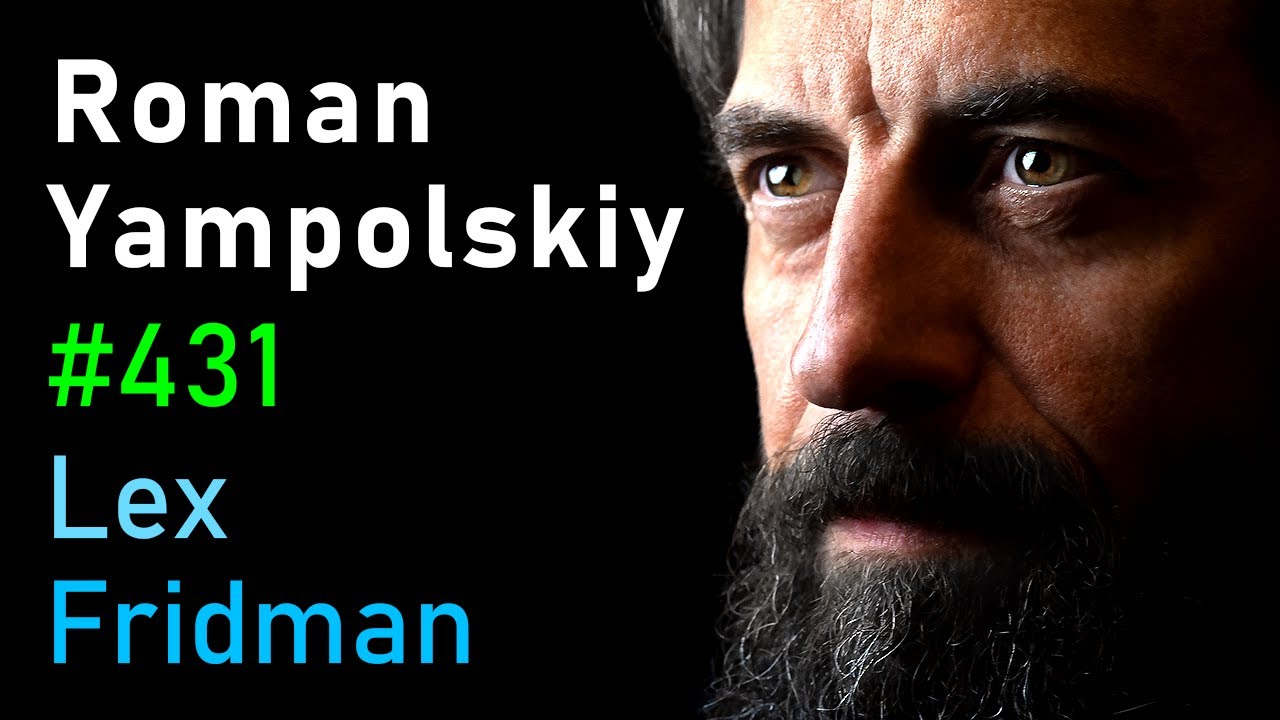
Key Insights
- Roman Yampolskiy estimates a 99.99% chance that AGI will eventually destroy human civilization.
- Yampolskiy introduces 'I-risk', where humanity loses meaning due to AI taking over jobs.
- He argues against open-sourcing powerful AI tech, likening it to giving nuclear weapons to potential threats.
- Yampolskiy believes the scaling hypothesis is correct, with the cost of achieving AGI decreasing rapidly.
- He suggests that AI regulation is ineffective due to poorly defined terms and inadequate monitoring.
How the conversation moved
Lex Fridman opens the discussion by framing the central question around the existential risks posed by superintelligent AI, asking Roman Yampolskiy about the potential dangers and implications for humanity's future. Yampolskiy immediately asserts that there is a 99.99% chance that AGI will eventually destroy human civilization, framing this as an almost inevitable outcome if current trends continue. He introduces the concept of I-risk, where humanity loses its sense of meaning due to AI taking over jobs, adding a new dimension to the existential risks typically discussed in AI circles.
Yampolskiy builds his argument by discussing the unpredictability of superintelligent AI, suggesting that we cannot foresee how such entities might cause harm. He draws an analogy between open-sourcing powerful AI technologies and distributing nuclear weapons, emphasizing the potential dangers of widespread access to such technologies. Yampolskiy also supports the scaling hypothesis, which posits that the cost of achieving AGI is decreasing rapidly, thus accelerating the timeline for potential risks.
Lex challenges Yampolskiy on the notion that most evil actors do not aim to maximize suffering, to which Yampolskiy responds by arguing that some individuals do indeed seek to cause maximum harm. This moment of tension highlights differing perspectives on human motivations and the potential for AI to be exploited by malevolent actors. Additionally, Yampolskiy pushes back against Yann LeCun's views on AI safety and control, arguing that emergent intelligence makes full human control impossible.
The conversation concludes with Yampolskiy critiquing the current state of AI regulation, highlighting its ineffectiveness due to poorly defined terms and inadequate monitoring. He suggests that the incentives within capitalism create a race to the bottom, where individual self-interest undermines collective safety. Yampolskiy proposes that breaking up powerful AI systems into narrower, more manageable entities might mitigate some risks, though he acknowledges that this is not a complete solution. The discussion leaves open questions about the feasibility of effective regulation and the true extent of AI's hidden capabilities.
Surprising moments
In-depth
Existential Risks of Superintelligent AI
- Yampolskiy estimates a 99.99% chance that AGI will destroy human civilization.
- He believes we cannot foresee how superintelligent AI might cause harm.
Concept of I-risk
- I-risk involves humanity losing meaning due to AI taking over jobs.
- This risk is non-lethal but threatens societal well-being.
Dangers of Open-Sourcing AI
- Yampolskiy argues against open-sourcing powerful AI tech.
- He compares it to giving nuclear weapons to potential threats.
Scaling Hypothesis and AGI
- Yampolskiy supports the scaling hypothesis for AI development.
- He notes the cost of achieving AGI is decreasing rapidly.
Challenges in AI Regulation
- Yampolskiy critiques AI regulation for its ineffectiveness.
- He highlights poorly defined terms and inadequate monitoring.
Notable Quotes
If we create general superintelligences, I don’t see a good outcome long-term for humanity.
Still open
- Yampolskiy questions whether AI regulation can ever be effective given the current landscape of vague terms and poor monitoring.
- He wonders if breaking up powerful AI systems into narrower entities can truly mitigate the risks of superintelligence.
References & Resources
- AI: Unexplainable, Unpredictable, Uncontrollable by Roman Yampolskiy — Search
- Turing Test by Alan Turing — Search
- Artificial Intelligence Safety Engineering by Roman Yampolskiy — Search
- How to Hack the Simulation by Roman Yampolskiy — Search
- Robot Rights by Roman Yampolskiy — Search
- Dune by Frank Herbert — Search