New Lex Fridman Insight: Ronald Sullivan: The Ideal of Justice in the Face of Controversy and Evil
Sent June 11, 2026
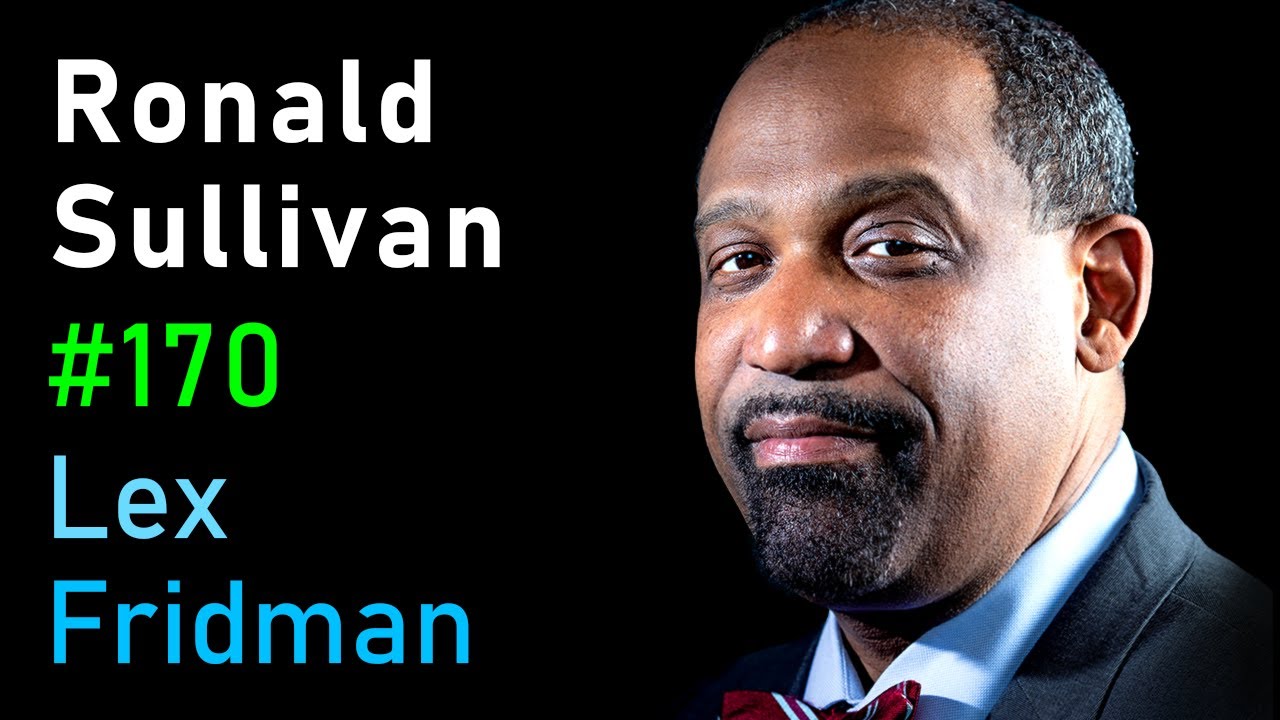
Key Insights
- Ronald Sullivan defended Harvey Weinstein, which led to Harvard not renewing his contract, sparking a debate on academic freedom.
- Sullivan argues that defending unpopular clients is crucial for upholding justice, as it sets critical legal precedents.
- Jury selection in high-profile cases is complex, often requiring jurors to set aside pre-existing biases to ensure a fair trial.
- Sullivan believes racial disparities in the U.S. criminal justice system can be eradicated, citing historical progress.
- The conversation touched on future civil rights movements for AI, as robots become more human-like and question their rights.
How the conversation moved
The host introduced the episode by framing the central question around the ideal of justice in controversial legal contexts, with Ronald Sullivan providing an initial framing through his experience defending Harvey Weinstein. Sullivan discussed how his legal representation of Weinstein led to Harvard University not renewing his contract, sparking debates on academic freedom and the role of legal defense in upholding justice. This setup raised questions about the balance between public opinion and legal principles, particularly in academic settings.
Sullivan's main argument centered around the necessity of defending unpopular clients to uphold justice and set legal precedents. He emphasized that such cases are essential for protecting rights and liberties, drawing on his extensive experience of exonerating over 6,000 wrongfully incarcerated individuals. Sullivan criticized Harvard's decision as a failure of academic freedom and argued that it was a capitulation to student protests. He also highlighted the complexities of jury selection in high-profile cases, using the O.J. Simpson trial as an example of how evidence presentation can impact trial outcomes.
The conversation lacked direct pushback from the host, but Sullivan himself addressed potential criticisms by defending his decision to represent Weinstein as a matter of principle. He clarified that he did not resign from Harvard, but rather, his contract was not renewed, which he viewed as an act of cowardice by the institution. This self-reflective pushback underscored the tension between maintaining personal integrity and facing public backlash in controversial legal cases. The episode also touched on the racial disparities in the U.S. criminal justice system, with Sullivan expressing optimism about eradicating these disparities through historical progress.
The conversation concluded with a discussion on the future implications of AI rights and the evolving definitions of humanity in law. Sullivan posited that as AI becomes more human-like, there may be a future civil rights movement for robots, challenging our current understanding of rights and ethical considerations. The episode wrapped up by reflecting on the societal impact of the George Floyd protests, highlighting the ongoing struggle for justice and equality in the face of systemic issues. This pivot to broader societal themes left open questions about the future trajectory of justice and rights in an ever-evolving world.
Surprising moments
In-depth
Academic Freedom and Legal Defense
- Sullivan's defense of Weinstein led to Harvard not renewing his contract, sparking debates on academic freedom.
- Defending unpopular clients is crucial for upholding justice and setting legal precedents.
Jury Selection and Bias
- Jury selection in high-profile cases is complex and requires jurors to set aside biases.
- The O.J. Simpson trial highlighted the importance of presenting evidence understandably.
Racial Disparities in Justice
- Blacks represent 40% of drug charges despite being 12% of the population, indicating racial disparities.
- Sullivan believes these disparities can be eradicated through historical progress.
AI Rights and Future Implications
- As AI becomes more human-like, there may be a future civil rights movement for robots.
- The legal system may need to adapt to evolving definitions of humanity.
Notable Quotes
If we don't protect the rights and the liberties of those whom the society deems to be the least and the last, the unpopular client, then that's the camel's nose under the tent.
Still open
- Sullivan questioned whether the racial disparities in the U.S. criminal justice system could truly be eradicated, despite historical progress.