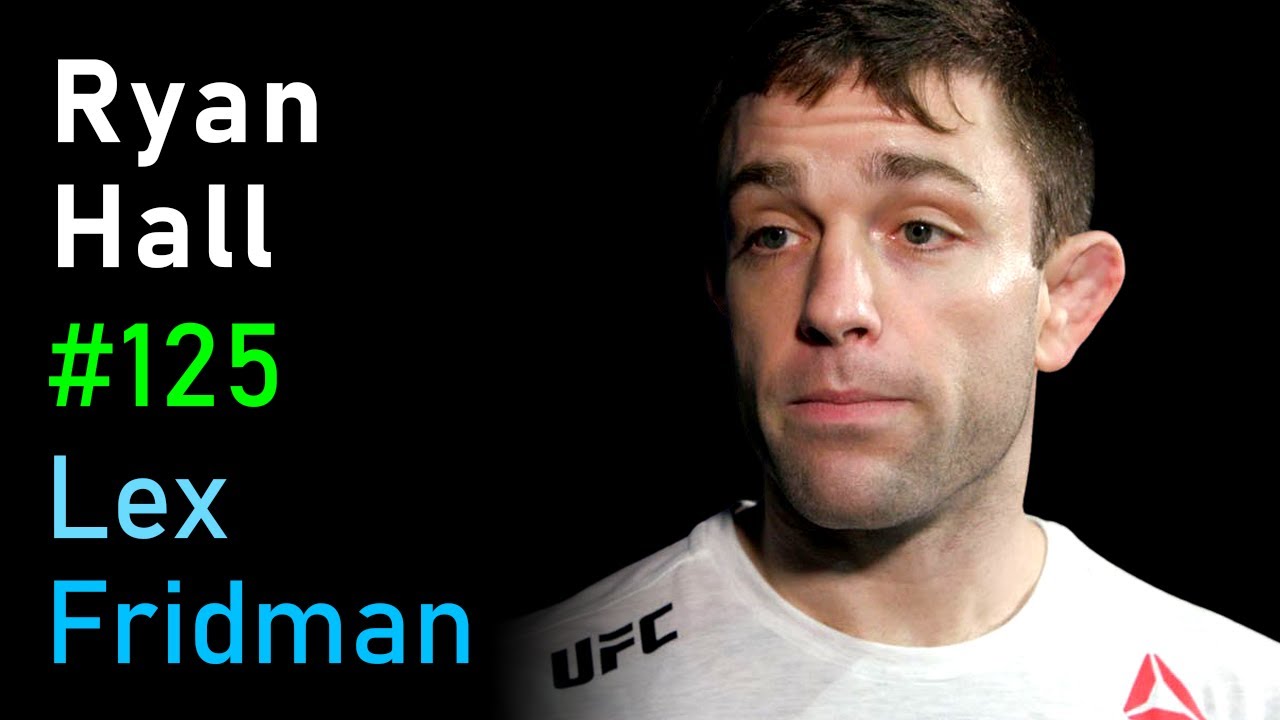
New Lex Fridman Insight: Ryan Hall: Martial Arts and the Philosophy of Violence, Power, and Grace
Sent June 11, 2026
Key Insights
- Ryan Hall emphasizes the importance of selecting the right coach in martial arts, impacting personal growth and happiness.
- Hall argues that societal rules are constructed to manage human behavior, yet primal instincts remain.
- Hall suggests that modern civilization benefits from philosophical underpinnings that promote societal order over chaos.
- Hall reflects on the impact of injuries on athletes, noting that head injuries are particularly challenging.
- Hall highlights the role of authenticity in success, using figures like Joe Rogan as examples.
How the conversation moved
The episode begins with Lex and Ryan Hall discussing the complexities of defining greatness in warriors, using historical figures like Hannibal and Musashi as examples. They explore how greatness in combat is often tied to overcoming high-quality opposition and the resourcefulness required in such encounters. This sets the stage for a deeper exploration of martial arts philosophy and the qualities that define a successful warrior in both historical and modern contexts.
Ryan Hall introduces the idea that societal rules are constructed to manage human behavior, yet primal instincts remain a powerful force. He argues that modern civilization benefits from philosophical underpinnings that promote order over chaos, drawing on examples from history and current societal structures. Hall's insights into the persistence of primal instincts challenge the notion that society has fully evolved beyond its violent past, suggesting that these instincts still influence human behavior.
While Lex does not explicitly challenge Hall's views, the conversation naturally raises questions about the balance between societal order and individual freedom. Hall's assertion that primal instincts persist despite societal rules could be seen as a counterpoint to the belief in human progress and the effectiveness of modern legal systems. This tension highlights the ongoing struggle to reconcile individual instincts with societal norms, a theme that resonates throughout the episode.
The discussion concludes with reflections on the impact of coaching in martial arts, emphasizing the importance of selecting the right mentor for personal growth. Hall shares personal experiences with injuries, particularly head injuries, and their profound impact on athletes. The conversation also touches on the role of authenticity in success, using figures like Joe Rogan as examples of how staying true to oneself can resonate with audiences and contribute to success. This exploration of authenticity, power, and personal growth ties back to the initial discussion of what defines greatness in warriors.
Surprising moments
In-depth
Warrior Philosophy
- Historical figures like Musashi highlight the importance of skill in combat sports.
- Greatness in warriors is defined by their ability to overcome high-quality opposition.
Philosophical Underpinnings of Society
- Societal order is maintained through philosophical foundations rather than chaos.
- Primal instincts persist despite societal rules, influencing human behavior.
Coaching and Personal Growth
- Choosing the right coach can significantly impact personal growth in martial arts.
- Adults often struggle with accepting guidance compared to children.
Authenticity and Success
- Authenticity resonates with audiences, as seen with figures like Joe Rogan.
- The dual nature of power can corrupt even those seeking justice.
Notable Quotes
Some people's life is a bowl of shit. It needs some whipped cream in it. Some people's life is a bowl of whipped cream. Needs a little bit of shit in it just to balance it out.
Still open
- Ryan Hall questioned whether societal rules are sufficient to manage primal instincts, suggesting ongoing tension between individual freedom and societal norms.
References & Resources
- The Wire by David Simon — Search
- Hardcore History by Dan Carlin — Search
- Ender's Game by Orson Scott Card — Search
- The Coach's Guide to Coaching by John Wooden — Search
- Whiplash by Damien Chazelle — Search
- Dune by Frank Herbert — Search
- Mein Kampf by Adolf Hitler — Search
- Foundation series by Isaac Asimov — Search
- Snow Crash by Neal Stephenson — Search
- Pride 2004 by Unknown — Search