New Lex Fridman Insight: RZA: Wu-Tang Clan, Kung Fu, Chess, God, Life, and Death
Sent June 11, 2026
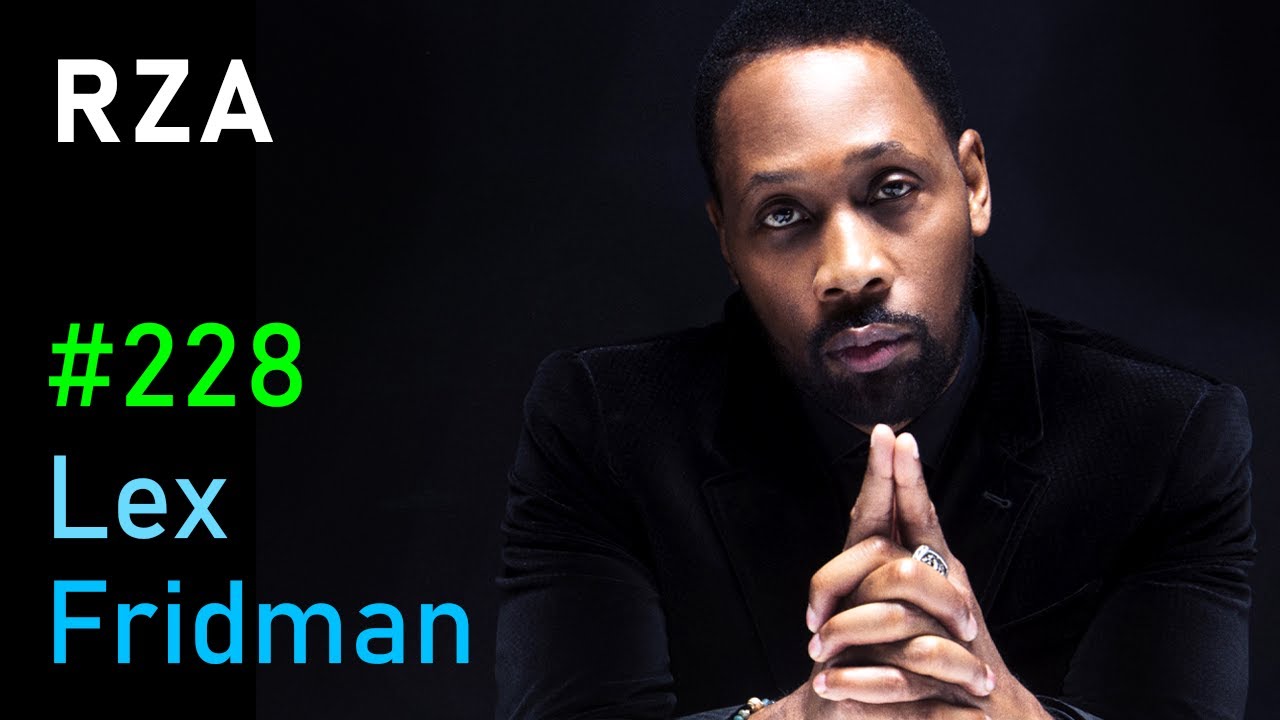
Key Insights
- RZA attributes his creative longevity to life experiences and influences from figures like Quincy Jones and Quentin Tarantino.
- Wu-Tang Clan's evolution reflects a journey from raw talent to wisdom, influenced by cultural icons like Bruce Lee.
- RZA believes that while the body is mortal, the soul's creations ensure immortality through memory and impact.
- The five animal technique in Hung Gar kung fu symbolizes different mentalities, impacting RZA's artistic and personal philosophy.
- Veganism is framed as a choice for self-preservation and ethical living, contrasting with survival-based consumption.
How the conversation moved
The conversation begins with RZA reflecting on the profound impact of his mother's passing, which reshaped his understanding of life and mortality. He shares how this personal loss taught him about the impermanence of the physical body and the enduring nature of the soul through memories and creations. This sets the stage for a broader discussion on the significance of life experiences and their role in shaping one's legacy, emphasizing the importance of living fully and embracing every moment.
RZA then delves into the influence of mentorship and personal growth, highlighting relationships with figures like Quincy Jones and Quentin Tarantino. He credits these relationships with enhancing his ability to communicate and express himself, drawing parallels between their enduring success and his own journey. The conversation touches on the importance of wisdom and experience in achieving mastery, as exemplified by Quincy Jones' continued relevance in the music industry well into his fifties.
Despite the depth of the discussion, there is little direct pushback from the host, leaving some claims unchallenged. For instance, RZA's assertion that the soul's immortality is preserved through creations could have been explored further, questioning whether this view aligns with broader philosophical or religious perspectives. The conversation also briefly touches on the ethical implications of veganism and AI, yet these topics are not deeply interrogated, leaving room for further exploration.
The conversation concludes with a reflection on the cultural impact of Wu-Tang Clan and figures like Bruce Lee, emphasizing the journey from raw talent to wisdom. RZA connects themes from martial arts and philosophy to his creative process, suggesting that life experiences and influences from cultural icons shape artistic expression. The discussion leaves open questions about the future of these cultural narratives and their ongoing influence on new generations.
Surprising moments
In-depth
Life and Mortality
- RZA learned profound life lessons from his mother's sacrifices and her passing.
- He believes the soul's immortality is preserved through memories and creations.
Mentorship and Personal Growth
- RZA's communication skills improved through his marriage and mentorship from Quincy Jones and Quentin Tarantino.
- Quincy Jones' success in his fifties serves as an inspiration for enduring talent.
Cultural and Philosophical Influences
- Wu-Tang Clan's evolution reflects a journey from talent to wisdom.
- Bruce Lee's philosophical contributions are seen as prophetic by RZA.
Notable Quotes
When my mother left the physical world, I lost one of my main links to the universe.
Still open
- RZA mentions the potential for AI to experience emotion but leaves open how this might manifest in practice.