New Lex Fridman Insight: Saagar Enjeti: Politics, History, and Power
Sent June 11, 2026
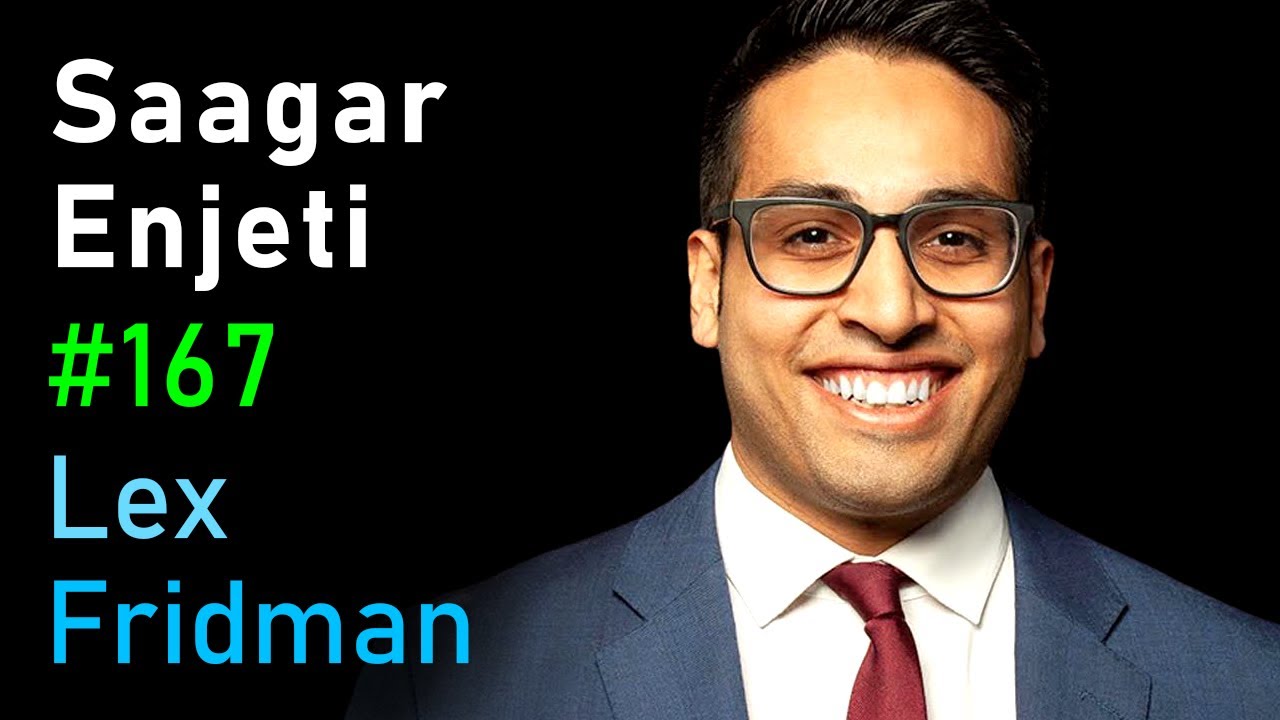
Key Insights
- Saagar Enjeti argues that Trump's charisma and media strategy, termed 'earned media,' are key to his political success.
- Enjeti highlights a cultural divide in American politics, driven by educational attainment, impacting political beliefs and affiliations.
- Negative partisanship is rising, with voters more concerned about opposing parties than their own issues.
- The primary system in U.S. politics hinders heterodox candidates, favoring those who cater to party faithful.
- The presidency's power has grown, overshadowing Congress, with executive authority central to U.S. governance.
How the conversation moved
Lex Fridman opens the conversation by framing the discussion around the nature of political power and charisma, using historical figures like Hitler as a backdrop. Saagar Enjeti, drawing on his extensive experience interviewing Donald Trump, provides insights into Trump's political strategy, particularly his use of 'earned media' to dominate the news cycle without traditional advertising. Enjeti argues that Trump's charisma and media savvy are central to his political success, paralleling the way historical figures have used charisma to sway public opinion.
Enjeti's main argument focuses on the cultural divides in American politics, particularly how educational attainment influences political beliefs and affiliations. He cites polling data showing broad support for policies traditionally associated with one party, suggesting a disconnect between political labels and public opinion. Enjeti emphasizes that these divides are not just political but deeply cultural, affecting how individuals align themselves with political parties and how they perceive political issues.
Despite the compelling arguments, Lex Fridman does not challenge Enjeti's framing of the issues, missing an opportunity to explore counterarguments or alternative perspectives. The conversation lacks explicit pushback, although the obvious counter-position would involve questioning whether educational divides are the primary drivers of political behavior, or if other factors like economic status or geographic location play a more significant role.
The discussion concludes with reflections on the future of political leadership and the challenges within the U.S. political system. Enjeti highlights the growing power of the presidency and the limitations of the primary system in fostering political diversity. The conversation ends on a note of uncertainty about the potential for reform and the emergence of new political leaders who can navigate these complex dynamics.
Surprising moments
In-depth
Media Strategy and Political Success
- Trump's use of 'earned media' allows him to dominate narratives without traditional advertising.
- Hitler's charisma is compared to Trump's ability to sway public opinion.
Educational Divide in Politics
- Educational attainment influences cultural and political divides in the U.S.
- This divide affects voting patterns and policy support.
Negative Partisanship
- Voters are more focused on opposing parties than their own issues.
- This trend increases political polarization.
Challenges in Political Systems
- The U.S. primary system stifles heterodox candidates.
- Executive power in the U.S. has grown, overshadowing Congress.
Notable Quotes
I think his greatest skill was, is he was just a very good politician, truly.
Still open
- Lex Fridman asked if the educational divide is the primary driver of political behavior, or if other factors like economic status play a more significant role.