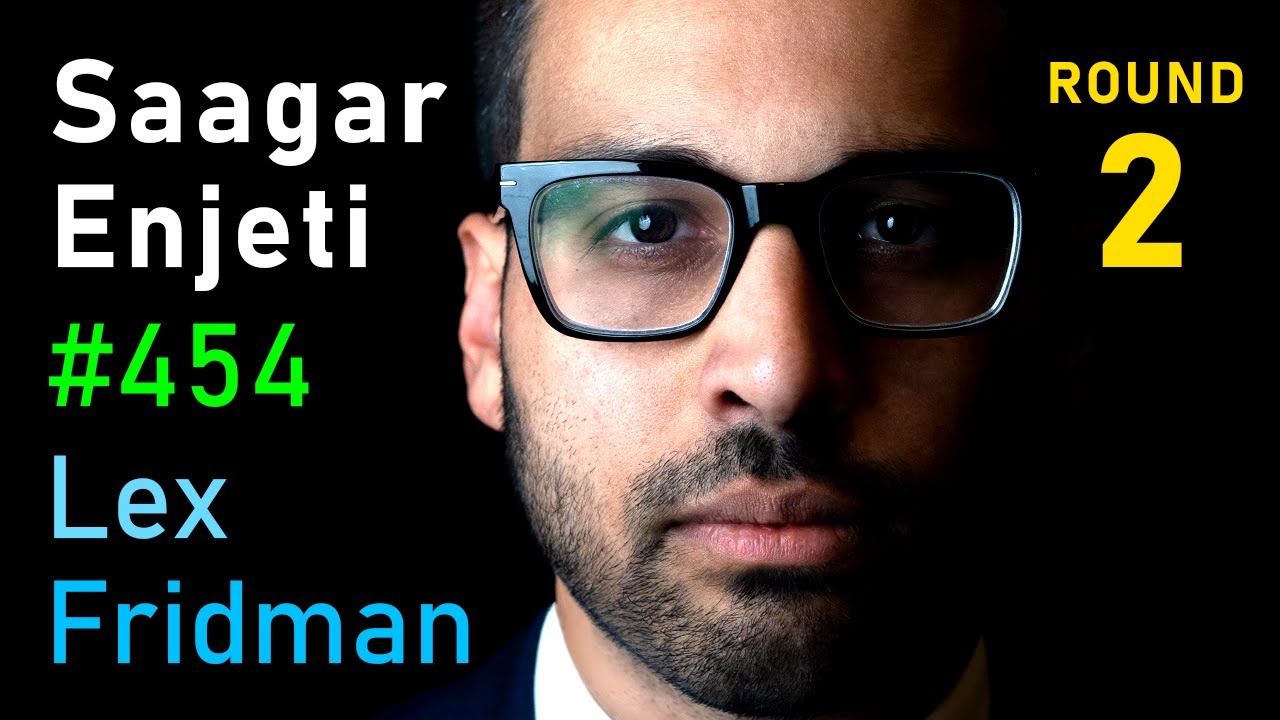
New Lex Fridman Insight: Saagar Enjeti: Trump, MAGA, DOGE, Obama, FDR, JFK, History & Politics
Sent May 30, 2026
Key Insights
- Saagar Enjeti argues that Trump's 2016 victory marked a realignment in American politics, particularly among the white working class and Latino voters.
- The Civil Rights Act of 1964 is described as a new founding of America, creating a new legal regime regarding race and discrimination.
- Enjeti critiques Joe Biden's presidency, labeling him as one of the worst in modern history due to arrogance and lack of vigor.
- The Great Awokening in 2014 significantly changed racial attitudes among college-educated whites, impacting political dynamics.
- Enjeti claims that the current immigration system is unsustainable and advocates for a merit-based approach.
How the conversation moved
Lex Fridman opens the discussion by framing the episode around the political landscape shaped by historical figures and current events, with Saagar Enjeti analyzing the implications of Trump's unique role in American politics. Enjeti sets the stage by discussing the historical significance of figures like FDR and the legislative changes during his presidency, contrasting them with modern political dynamics. He highlights how Trump's 2016 victory marked a realignment in American politics, particularly among the white working class and Latino voters, and explores the educational divides that this realignment has exposed.
Enjeti delves deeper into the cultural divide in America, discussing the impact of woke-ism and the historical significance of the Scots-Irish in shaping American identity. He critiques affirmative action and DEI initiatives as anti-meritocratic, arguing that they are incompatible with the American dream, which emphasizes equality of opportunity over racial preferences. Enjeti uses historical examples, such as the Civil Rights Act of 1964, to illustrate how these cultural shifts have influenced the political landscape. He also references books like 'Born Fighting' by Jim Webb to underscore the contributions of the Scots-Irish to American culture and individualism.
Lex challenges Enjeti's critique of Biden's presidency, prompting a discussion about the president's perceived arrogance and lack of vigor. Enjeti argues that Biden is one of the worst presidents in modern history, citing his handling of issues like inflation and comparing his leadership unfavorably to that of FDR during the Great Depression. Lex pushes back by questioning Enjeti's assessment and asking about other presidents who might share this dubious distinction, leading to a discussion about George W. Bush and the consequences of his foreign policy decisions. This moment of tension highlights differing perspectives on presidential leadership and historical impact.
The conversation shifts to the topic of immigration, with Enjeti critiquing the current system as unsustainable and advocating for a merit-based approach. He argues that the existing policies strain social services and fail to integrate immigrants effectively, contrasting this with systems in countries like Australia and Canada. Enjeti's stance on immigration reflects broader concerns about economic sustainability and cultural integration, emphasizing the need for reform. The discussion concludes with Enjeti's reflections on the potential future of American politics, considering the implications of current trends and historical precedents for the Republican and Democratic parties.
Surprising moments
In-depth
Political Realignment
- Trump's 2016 victory realigned political affiliations, particularly among white working-class and Latino voters.
- The Civil Rights Act of 1964 is seen as a pivotal moment in American race relations.
Presidential Leadership
- Enjeti critiques Biden's presidency, citing arrogance and lack of vigor.
- FDR's leadership during the Great Depression is contrasted with Biden's approach.
Cultural and Racial Shifts
- The Great Awokening in 2014 changed racial attitudes, influencing political dynamics.
- Affirmative action and DEI initiatives are critiqued as anti-meritocratic.
Immigration Policy
- Enjeti argues for a merit-based immigration system, critiquing the current approach.
- The Immigration and Naturalization Act of 1965 significantly altered U.S. immigration policy.
Notable Quotes
People don’t want to be informed, they want to feel informed.
Still open
- Lex asked whether Biden's handling of inflation and other issues truly makes him one of the worst presidents, prompting a comparison with George W. Bush.
- Enjeti questioned the sustainability of the current immigration system and whether a merit-based approach could address integration challenges.
References & Resources
- The Essence of Decision by Graham Allison — Search
- Coming Apart by Charles Murray — Search
- The Origins of Woke by Richard Hanania — Search
- Born Fighting: How the Scots-Irish Shaped America by Jim Webb — Search
- What It Takes by Richard Ben Cramer — Search
- The Loudest Voice in the Room by Gabriel Sherman — Search