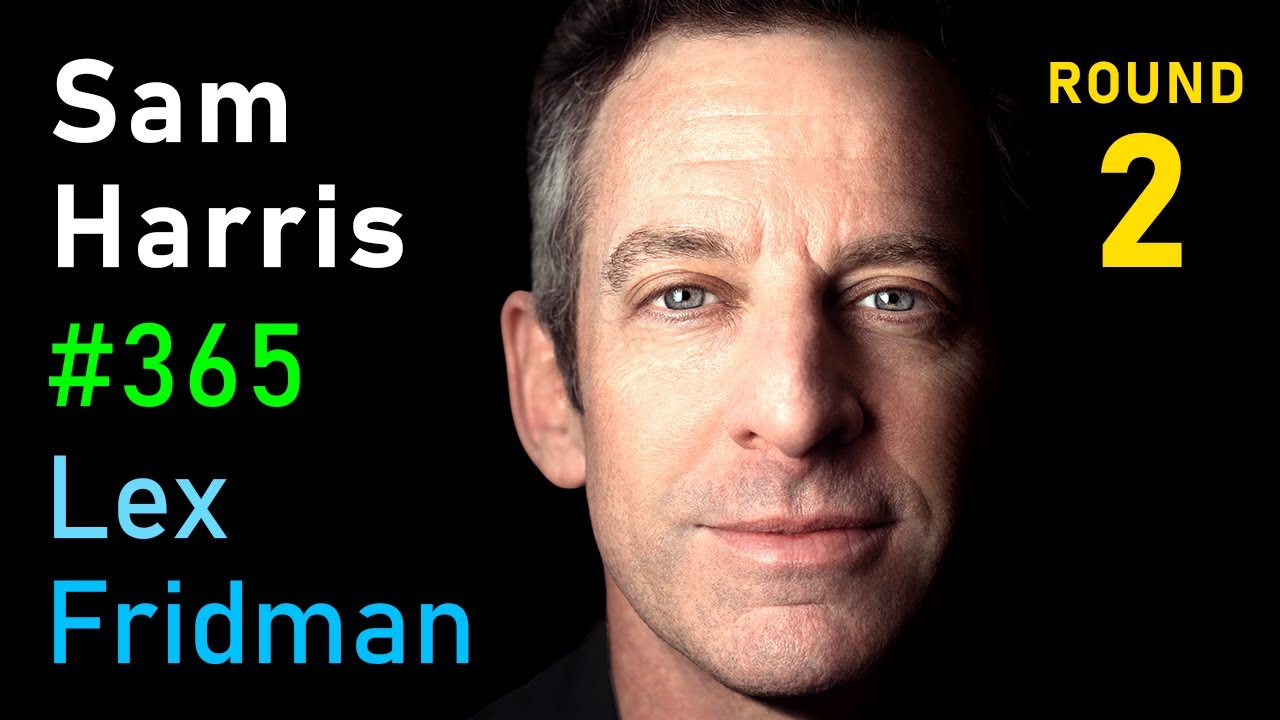
New Lex Fridman Insight: Sam Harris: Trump, Pandemic, Twitter, Elon, Bret, IDW, Kanye, AI & UFOs
Sent June 11, 2026
Key Insights
- Sam Harris argues that empathy often misguides ethical decisions, favoring relatable stories over larger issues like genocide.
- Harris believes Trump's presidency exposed the fragility of democracy, as norms were violated rather than laws.
- Harris deleted his Twitter account, claiming it improved his mental health by reducing exposure to negative interactions.
- The rise of misinformation during the pandemic has eroded trust in institutions and fueled conspiracy theories.
- Harris warns that audience capture skews public discourse, particularly on topics like COVID and wokeness.
How the conversation moved
The episode begins with Sam Harris discussing the limitations of empathy in ethical decision-making, arguing that empathy often leads to biased behavior by focusing on individual stories rather than larger humanitarian issues. Harris contrasts this with reason, which he believes is a more reliable tool for making decisions about human suffering. He references Paul Bloom's book 'Against Empathy' to support his argument, suggesting that emotional responses can misguide ethical behavior. The conversation sets the stage for a broader discussion on the role of empathy and reason in political and social contexts.
Harris then shifts to discussing the impact of Donald Trump's presidency on democracy, emphasizing how it exposed the fragility of democratic norms. He argues that many Americans viewed Trump as an entertainer rather than a threat, failing to recognize the stakes involved. Harris highlights the reliance on norms rather than laws, noting that Trump's actions often violated norms without necessarily breaking laws. This segment underscores the need for stronger legal frameworks to protect democratic institutions from being undermined by norm violations.
Lex Fridman does not offer significant pushback on Harris's views about Trump, but the conversation naturally leads to a discussion about social media's impact on personal well-being and public discourse. Harris shares his decision to delete his Twitter account, claiming it improved his mental health by reducing exposure to negative interactions. He criticizes social media for encouraging negative behavior and fragmented attention, suggesting that being 'too online' can lead to sociopathic behavior. This segment highlights the potential mental health benefits of reducing social media use.
The conversation concludes with a discussion on the rise of misinformation during the pandemic and its impact on public trust in institutions. Harris argues that misinformation has eroded trust in scientific and governmental institutions, fueling conspiracy theories and complicating public health responses. He warns about the effects of audience capture on public discourse, particularly regarding COVID and wokeness, highlighting the dangers of media bias and the importance of maintaining balanced perspectives. The episode ends without a clear resolution, leaving open questions about how to address these challenges.
Surprising moments
In-depth
Empathy and Ethical Decision-Making
- Empathy can lead to biased ethical behavior by focusing on individual stories over larger issues.
- Reason is a more reliable tool for making ethical decisions on human suffering.
- Emotional contagion often misguides ethical intuitions.
Trump's Impact on Democracy
- Trump's presidency exposed the fragility of democratic norms.
- Many viewed Trump as entertaining rather than a threat, missing the stakes involved.
- The reliance on norms rather than laws was highlighted by Trump's actions.
Social Media and Mental Health
- Harris deleted his Twitter account, improving his mental health.
- Social media encourages negative interactions and fragmented attention.
- Being 'too online' can lead to sociopathic behavior.
Misinformation and Institutional Trust
- The pandemic has increased distrust in institutions due to misinformation.
- Conspiracy theories have gained traction, complicating public health responses.
- The media's business model often spreads misinformation.
Audience Capture and Public Discourse
- Audience capture skews public discourse on critical topics like COVID.
- Creators often cater to audience preferences at the expense of broader perspectives.
- The public health response to COVID was influenced by misinformation.
Notable Quotes
The emotional social contagion piece is a bad guide rather often for ethical behavior and ethical intuitions.
Still open
- Harris questions how to effectively rebuild trust in institutions that have been eroded by misinformation during the pandemic.
- The conversation leaves open the challenge of addressing audience capture in media to ensure balanced public discourse.