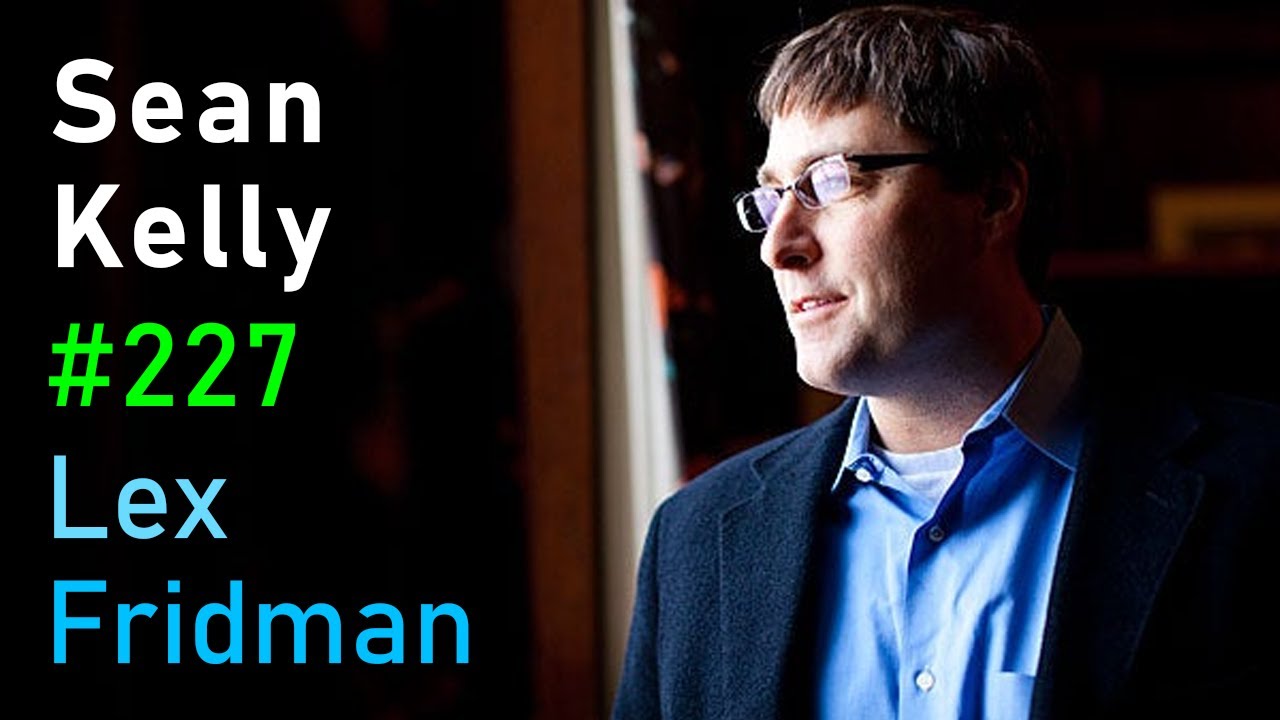
New Lex Fridman Insight: Sean Kelly: Existentialism, Nihilism, and the Search for Meaning
Sent June 11, 2026
Key Insights
- Sartre's existentialism emphasizes radical freedom, arguing that without God, individuals must create their own meaning through choices.
- Nietzsche's nihilism challenges the notion of creation ex nihilo, suggesting we respond creatively to existing situations.
- Camus' absurdism posits that life lacks inherent meaning, but moments of 'aliveness' offer significance beyond absurdity.
- Heidegger warns that the technological age risks reducing humans to mere resources, conflicting with community norms.
- AI's role in creativity highlights a shift where humans may adapt to become more machine-like in behavior.
How the conversation moved
The host, Lex Fridman, begins the conversation by framing the central question around existentialism and the search for meaning, inviting Sean Kelly to elaborate on the philosophical underpinnings of existentialism. Kelly introduces Sartre's existentialism, emphasizing the idea that existence precedes essence and that individuals are condemned to be free, thus responsible for creating their own meaning. This sets the stage for a broader discussion on how existentialism challenges individuals to live authentically, without the guidance of a predefined essence or divine plan.
Kelly supports his argument by referencing Sartre's concept of bad faith, where individuals fail to take responsibility for their choices, and highlights the pressure of social influences through Sartre's famous quote, 'Hell is other people.' He contrasts this with Nietzsche's nihilism, which suggests that creativity emerges from responding to existing contexts rather than creating from nothing. This perspective challenges traditional notions of artistic creation and aligns with Nietzsche's broader critique of religious and cultural assumptions.
The conversation encounters tension when Kelly critiques Sartre's radical freedom, arguing that it overlooks the significant influence of social and circumstantial factors, a point where Heidegger's concept of 'thrownness' becomes relevant. Lex doesn't challenge this framing directly, but the discussion pivots to the implications of living in a secular age, where religious beliefs no longer justify dehumanizing others, highlighting a shift in moral and existential frameworks. This tension underscores the complexity of balancing individual freedom with social realities.
The conversation resolves by exploring the implications of these philosophical ideas in the context of modern life, particularly in a technological age. Kelly discusses Heidegger's warning about the dangers of reducing humans to resources for optimization and the importance of preserving community norms. The discussion then shifts to the evolving role of AI in creativity, suggesting that as technology advances, humans may adapt to become more machine-like, challenging traditional roles and prompting a reevaluation of what it means to be creative and human.
Surprising moments
In-depth
Existentialism
- Sartre's existentialism argues that existence precedes essence, making individuals responsible for their own meaning.
- Bad faith involves failing to take responsibility for one's choices, a key critique in existential thought.
- Existentialism emphasizes radical freedom, but critics argue it overlooks social and circumstantial influences.
Nihilism
- Nietzsche's nihilism suggests we respond creatively to existing situations, challenging creation ex nihilo.
- Nihilism is often misunderstood, as seen in historical misinterpretations like those of Leopold and Loeb.
- The secular age reflects a shift where religious beliefs no longer justify dehumanizing others.
Absurdism
- Camus describes life as absurd, lacking inherent meaning, but highlights moments of true aliveness.
- The experience of aliveness offers a counterbalance to existential despair, providing personal significance.
- Camus' views on absurdity are contrasted with personal experiences of joy and humor.
Technological Age
- Heidegger critiques the technological age for reducing humans to resources for optimization.
- Community norms are crucial for meaning, contrasting with the efficiency-driven technological mindset.
- The danger of technology lies in its potential to overshadow human values and community significance.
AI and Creativity
- AI's role in creativity challenges traditional human roles, potentially making humans more machine-like.
- Creativity is a socially embedded act, requiring interaction with culture beyond mere pattern recognition.
- The Turing test illustrates the evolving nature of human interaction with technology.
Notable Quotes
Sartre says, there's nothing true about what it is to be you until you start existing and until you start living.
Still open
- Lex asked whether Sartre's ideal of radical freedom can truly account for social and circumstantial influences, and Kelly suggested it might not.
- The guest pondered if moments of true aliveness can offer a sustainable counterbalance to existential despair, acknowledging the complexity of this balance.