New Lex Fridman Insight: Sebastian Thrun: Flying Cars, Autonomous Vehicles, and Education
Sent June 11, 2026
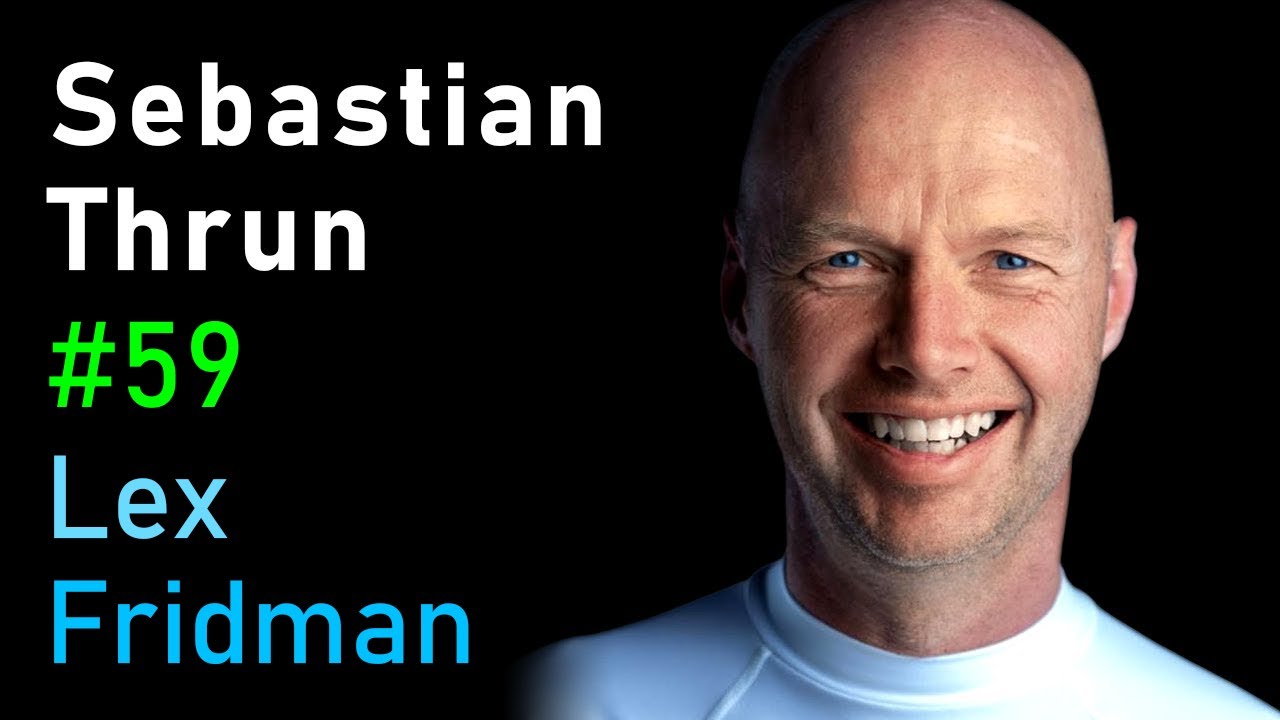
Key Insights
- Sebastian Thrun's Heaviside flying car can travel 100 miles with 30% electric reserves, operating at 38 decibels, quieter than a library.
- Thrun's team completed their autonomous vehicle project a month early, emphasizing the importance of time management and rigorous testing.
- Machine learning allows students to develop competitive lane-finding algorithms within 24 hours, democratizing access to advanced AI skills.
- The shift from gasoline to electric motors in flying cars enhances safety through redundancy, unlike traditional helicopters.
- Thrun argues that a self-driving car achieving 99% safety is insufficient, as the remaining 1% could still result in weekly fatalities.
How the conversation moved
The episode begins with Lex Fridman setting the stage by exploring Sebastian Thrun's contributions to AI and autonomous vehicles, framing the central question around the impact of these technologies on society. Thrun introduces his perspective by recounting his experiences with the DARPA Grand Challenge, emphasizing the importance of machine learning and the human brain's role in training intelligent systems. He highlights the transformative potential of AI, not just in technology but in improving human lives globally.
Thrun's main argument centers on the practical applications of AI and robotics, using his work on autonomous vehicles as a case study. He provides concrete evidence of the project's success, such as completing the autonomous vehicle project a month ahead of schedule due to effective time management and rigorous testing. Thrun also discusses the societal benefits of self-driving cars, suggesting they could save a million lives annually by preventing accidents and providing mobility to the elderly and disabled.
Despite the compelling vision, the conversation lacks significant pushback from Lex Fridman, who generally agrees with Thrun's optimistic outlook. However, Thrun himself acknowledges the challenges, particularly the difficulty of achieving near-perfect safety in autonomous vehicles. He points out that even a 1% failure rate in self-driving technology could result in weekly fatalities, highlighting the complexity of real-world driving scenarios and the need for further innovation.
The discussion pivots to the future of education and flying cars, where Thrun outlines his vision for democratizing access to advanced skills through machine learning. He describes the Heaviside flying car's innovations, such as its quiet operation and safety features, which could revolutionize urban transport. The episode concludes with Thrun reflecting on the broader societal impact of technological advancements, emphasizing the importance of celebrating both successes and failures in the journey of innovation.
Surprising moments
In-depth
Autonomous Vehicles
- Thrun led the development of autonomous vehicles that won the 2005 DARPA Grand Challenge.
- The team completed the project ahead of schedule, emphasizing time management.
- The DARPA Grand Challenge provided a clear framework for innovation.
Machine Learning and Education
- Students can develop competitive AI skills in a short time using machine learning.
- Machine learning can revolutionize education by making advanced skills accessible.
- AI in healthcare could detect conditions like skin cancer early.
Flying Cars
- The Heaviside vehicle can fly 100 miles with 30% electric reserves.
- Flying cars are designed to be quieter than helicopters, operating at 38 decibels.
- Electric motors in flying cars provide redundancy, enhancing safety.
Notable Quotes
I want to literally make the lives of others better. Or as we often say, maybe jokingly, make the world a better place. I actually believe in this.
Still open
- Lex Fridman asked how machine learning could further assist doctors in the medical field, indicating ongoing exploration in AI's role in healthcare.