New Lex Fridman Insight: Sheldon Solomon: Death and Meaning
Sent June 11, 2026
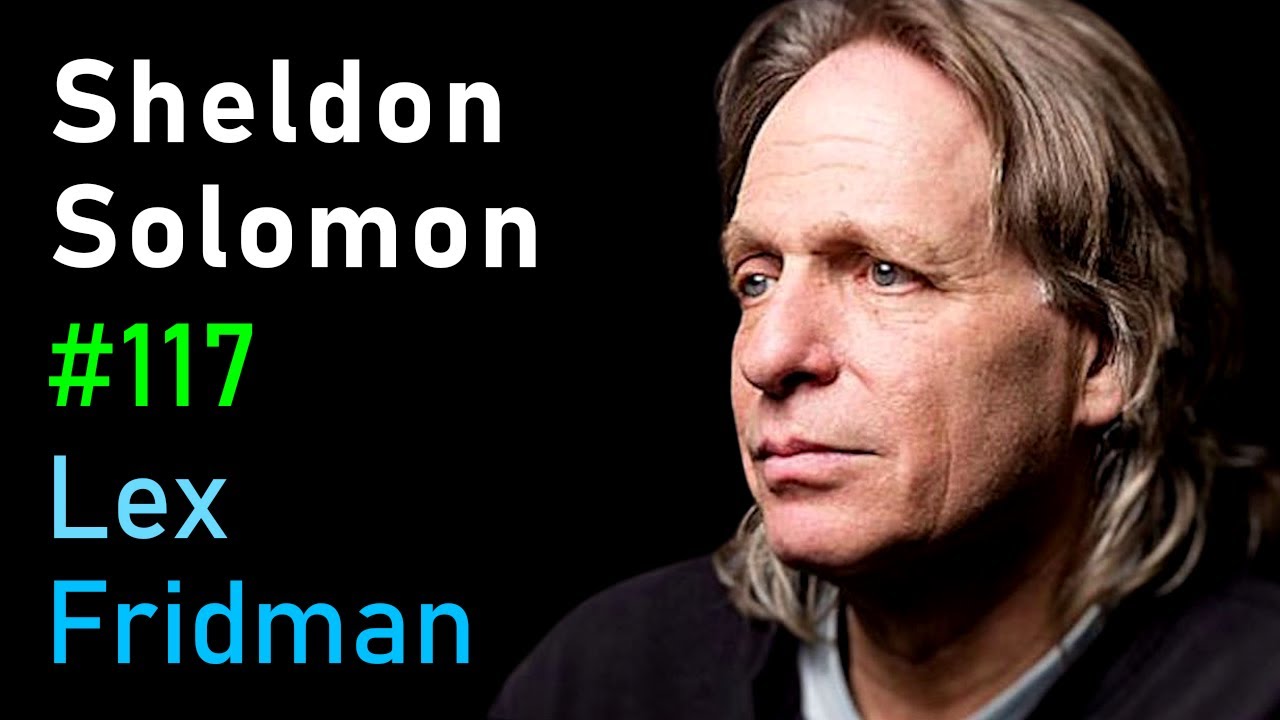
Key Insights
- Sheldon Solomon argues that death anxiety is a primary driver of human behavior, shaping cultural and personal actions.
- Existential terror is managed through belief systems that provide meaning and self-esteem, according to Ernest Becker's theories.
- Philosophers like Heidegger and Kierkegaard suggest confronting death anxiety can lead to a more authentic life.
- Solomon critiques capitalism and suggests that infinite economic growth is unsustainable and harmful.
- Solomon believes that consciousness is more about social intelligence, impacting AI's potential to form human-like connections.
How the conversation moved
The episode begins with Sheldon Solomon discussing the profound impact of death awareness on human consciousness and behavior, drawing heavily on Ernest Becker's theories. Solomon asserts that the terror of death is a primary motivator for human actions, often operating unconsciously. This sets the stage for a deep dive into how existential fears shape cultural and personal dynamics, with Becker's 'The Denial of Death' serving as a foundational text. Lex Fridman introduces the conversation by framing death as a central theme in understanding human motivation, setting the tone for an exploration of how death anxiety influences everything from personal identity to societal structures.
Solomon's main argument revolves around the idea that existential terror is managed through culturally constructed belief systems that provide meaning and self-esteem. He cites research indicating that reminders of mortality can significantly influence political preferences, as seen in studies conducted around the 2004 election. This leads to a broader discussion on how belief systems act as psychological buffers against the fear of death, with historical examples of charismatic leaders rising during times of upheaval. Solomon integrates insights from psychodynamic and evolutionary perspectives, suggesting that these frameworks are compatible in explaining human behavior.
Despite the compelling narrative, Lex Fridman does not explicitly challenge Solomon's framing, though the conversation naturally invites skepticism about the universality of death anxiety as a motivator. A potential counterpoint could be the role of other psychological and social factors in shaping human behavior, beyond the fear of death. While Solomon's arguments are rooted in Becker's existential psychology, the absence of direct pushback leaves room for further exploration of alternative explanations. The discussion touches on philosophical insights from Kierkegaard and Heidegger, who argue that confronting death anxiety can lead to a more authentic life.
The conversation eventually pivots to critiques of capitalism and the role of consciousness in AI development. Solomon critiques capitalism's unsustainable growth model, suggesting that infinite growth is only beneficial for cancer cells and compound interest. This segues into a discussion on consciousness, where Solomon posits that it is more about social intelligence than raw intelligence, impacting AI's potential to form human-like connections. The episode concludes with reflections on the philosophical implications of mortality and the potential for AI systems to develop ethical behavior through a sense of mortality, leaving open questions about the future of human-AI interactions.
Surprising moments
In-depth
Death and Human Behavior
- Death anxiety is a primary driver of human actions, often unconsciously.
- Belief systems help manage existential terror by providing meaning.
- Philosophers argue confronting death anxiety leads to authenticity.
Critiques of Capitalism
- Solomon critiques capitalism's unsustainable growth model.
- Infinite growth is likened to cancer cells, harmful to society.
- Social democracies may offer better quality of life than free markets.
Consciousness and AI
- Consciousness is more about social intelligence than raw intelligence.
- AI systems might need a sense of mortality to interact ethically with humans.
- The potential for AI to form deep connections with humans is explored.
Notable Quotes
I believe that the terror of death and the way that human beings respond to it or decline to respond to it is primarily responsible for almost everything we do, whether we're aware of it or not, and mostly we're not.
Still open
- Lex asked whether belief systems are the only way to manage existential terror, or if other mechanisms could be effective.
- Solomon questioned if AI systems could truly develop ethical behavior without a sense of mortality.