New Lex Fridman Insight: Simon Sinek: Leadership, Hard Work, Optimism and the Infinite Game
Sent June 11, 2026
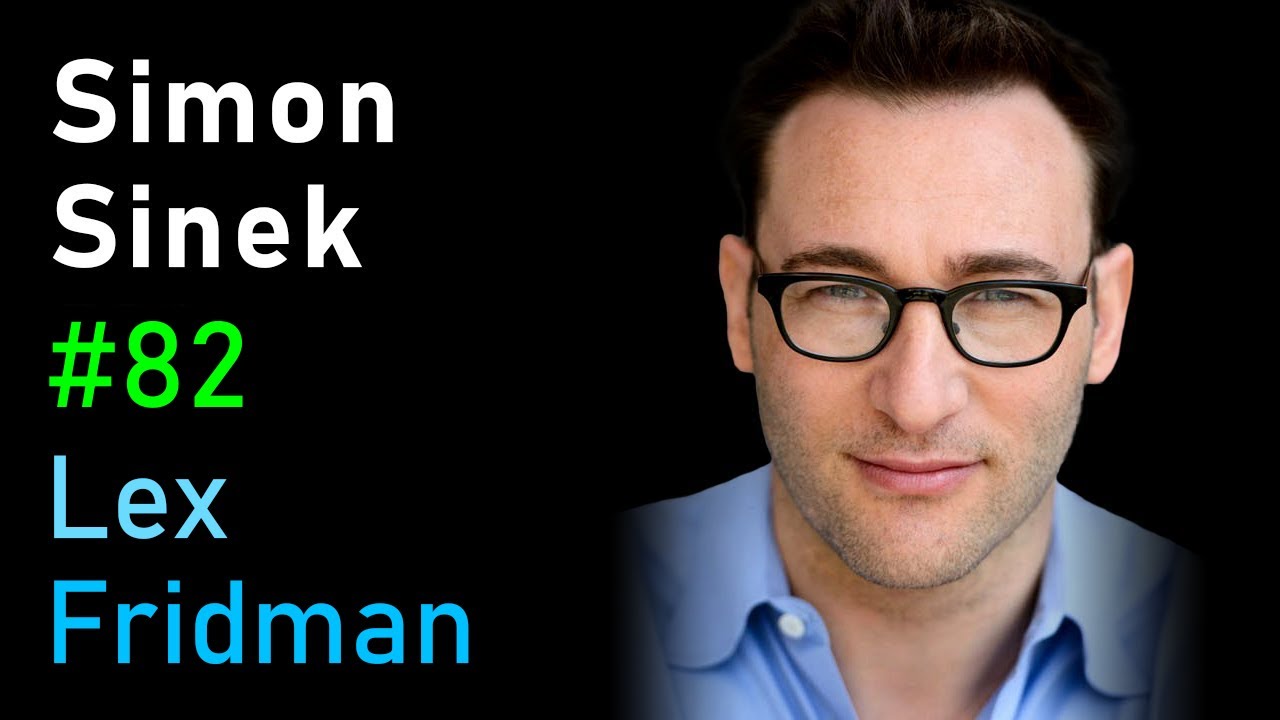
Key Insights
- Simon Sinek differentiates between finite and infinite games, emphasizing the importance of an infinite mindset for long-term success.
- Executives who prioritize sleep over late-night work are more productive due to better cognitive function, according to studies.
- Organizations that provide a sense of purpose beyond profit foster greater employee engagement and passion.
- Most startups fail the 'school bus test,' meaning they can't survive without their founder, highlighting leadership sustainability issues.
- Sinek argues that pressure in leadership should be applied for meaningful reasons, not just to meet arbitrary targets.
How the conversation moved
The episode begins with Simon Sinek discussing the concept of finite and infinite games, originally articulated by James Kars. Sinek frames the conversation by contrasting finite games, which have fixed rules and objectives, with infinite games, which focus on perpetuating engagement rather than winning. He emphasizes that adopting an infinite mindset can lead to more meaningful legacies and sustained success. This foundation sets the stage for exploring how these concepts apply to leadership and organizational strategies.
Sinek argues that leaders should focus on creating environments where passion is an output, driven by purpose rather than imposed as an expectation. He cites studies indicating that well-rested executives are more productive, challenging the prevailing hustle culture that often glorifies overwork. Sinek suggests that organizations must offer a sense of purpose beyond profit to inspire genuine passion and engagement among their employees. This approach aligns with the infinite game mindset, where the goal is to foster continuous growth and fulfillment.
Lex Fridman does not provide explicit pushback against Sinek's ideas, but the conversation naturally addresses potential criticisms of the infinite game mindset. One tension arises around the balance between passion and hard work, as Sinek argues that passion cannot simply be demanded from employees. He also challenges the notion that current cultural trends overly emphasize relaxation and health, suggesting that passion and hard work should not be undervalued. This nuanced view acknowledges the complexity of balancing personal well-being with professional drive.
The conversation concludes with a focus on leadership sustainability and the importance of meaningful pressure. Sinek highlights the 'school bus test' to illustrate how many startups fail to sustain themselves without their founders, using Microsoft as an example of successful leadership transition. He argues that pressure in leadership should be applied for worthwhile reasons, aligning with a shared vision rather than arbitrary targets. This resolution emphasizes the need for leaders to inspire rather than manipulate, reinforcing the infinite game mindset.
Surprising moments
In-depth
Infinite vs. Finite Games
- James Kars's concept challenges the traditional view of winning as the ultimate goal.
- Infinite games focus on perpetuating engagement and growth, not just winning.
- Finite mindsets lead to predictable declines in trust and innovation.
Work-Life Balance and Productivity
- Executives with adequate sleep are more productive than those who work late.
- Organizations should foster environments where passion is an output, not forced.
- Mutual accountability exists between individuals and organizations for fostering passion.
Leadership and Organizational Sustainability
- Most startups can't survive without their founders, failing the 'school bus test'.
- Microsoft's revival under Satya Nadella highlights the importance of sustainable leadership.
- Pressure should be applied for meaningful reasons, not arbitrary targets.
Still open
- What are the long-term impacts of adopting an infinite mindset on organizational success?