New Lex Fridman Insight: Skye Fitzgerald: Hunger, War, and Human Suffering
Sent June 11, 2026
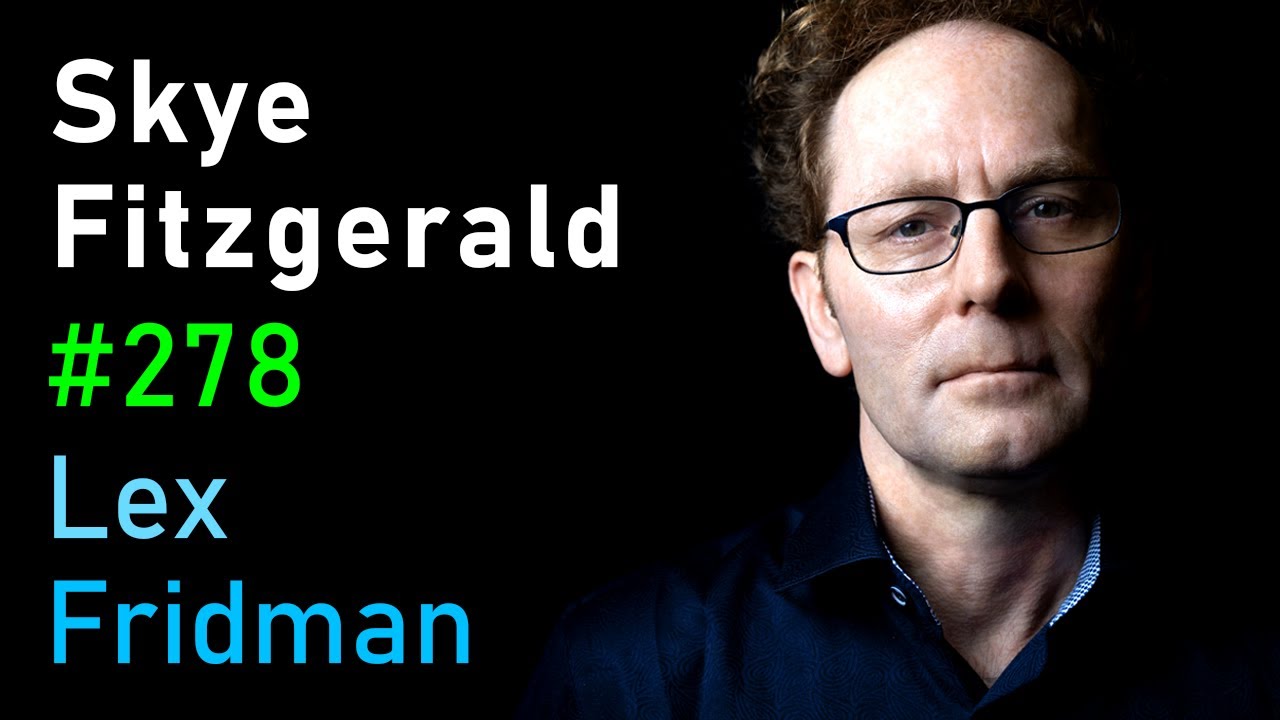
Key Insights
- 811 million people globally face hunger, with 45 million on the brink of famine due to conflicts in 43 countries.
- The blockade in Yemen, led by Saudi Arabia with U.S. approval, is a primary cause of starvation there.
- Documentary filmmaking in crisis zones requires balancing storytelling with ethical responsibilities, often prioritizing human life over capturing footage.
- Famine is often used as a weapon by authoritarian regimes, as seen in Ukraine and Yemen.
- The Mediterranean asylum seeker crisis highlighted the EU's failure to provide adequate humanitarian patrols, leading to volunteer-led rescue missions.
How the conversation moved
The episode begins with Skye Fitzgerald outlining the severe humanitarian crisis in Yemen, exacerbated by the Saudi-led blockade. Fitzgerald highlights the staggering statistic of 811 million people facing hunger globally, with 45 million on the brink of famine. He underscores the use of starvation as a weapon of war in places like Yemen, Ethiopia, and Ukraine, pointing to the geopolitical factors that perpetuate these crises. The host sets the stage for a discussion on the ethical responsibilities of filmmakers documenting such human suffering, questioning how storytelling can drive change without exploiting subjects.
Fitzgerald argues that documentary filmmaking in crisis zones involves complex ethical decisions, often prioritizing human life over capturing footage. He shares insights from filming 'Hunger Ward,' where he and his team had to navigate these challenges, emphasizing the importance of active consent and collaboration with subjects. The conversation delves into the technical aspects of filmmaking, such as using zoom lenses to maintain respect and intimacy while filming. Fitzgerald also discusses the emotional impact of witnessing suffering and the responsibility to accurately portray the realities of starvation and conflict.
While the host does not explicitly challenge Fitzgerald's views, the conversation naturally raises questions about the role of media in humanitarian crises. The tension lies in balancing the need to inform and inspire action with the potential for desensitization or exploitation of suffering. Fitzgerald's approach to filmmaking, which prioritizes ethical storytelling and human connection, contrasts with more traditional journalistic methods that may focus on sensationalism. The discussion touches on the broader implications of how media coverage can influence public perception and policy.
The episode concludes with a broader reflection on the moral responsibilities of leaders and the potential for filmmaking to raise awareness about global suffering. Fitzgerald emphasizes the need for concrete actions, such as sanctions against authoritarian leaders who use famine as a weapon. The conversation pivots to the Mediterranean asylum seeker crisis, highlighting the failure of the EU to provide adequate humanitarian patrols and the grassroots efforts that emerged in response. Fitzgerald's insights underscore the power of storytelling to drive change, while also acknowledging the limitations and ethical complexities inherent in documenting human suffering.
Surprising moments
In-depth
Global Hunger Crisis
- 811 million people are hungry worldwide, with 45 million near famine.
- Starvation is used as a weapon in conflicts like Yemen, Ethiopia, and Ukraine.
- The Yemen blockade by Saudi Arabia, with U.S. complicity, exacerbates starvation.
Documentary Filmmaking Ethics
- Filmmakers face ethical dilemmas, balancing storytelling with humanitarian actions.
- Active consent and collaboration with subjects are crucial in documentary work.
- Filmmakers often prioritize human life over capturing footage in crisis zones.
Authoritarian Use of Famine
- Famine is deliberately used by regimes as a weapon, as seen in Ukraine and Yemen.
- International responses to such tactics are crucial for humanitarian relief.
Mediterranean Asylum Seeker Crisis
- The EU's failure to patrol led to volunteer rescue missions in the Mediterranean.
- NGOs like Sea Watch play a critical role in saving asylum seekers.
Notable Quotes
She was robbed of all of those things because of the insidious nature of hunger that she was born into.
Still open
- Skye Fitzgerald questioned the effectiveness of international sanctions and whether they can truly deter authoritarian regimes from using famine as a weapon.
- The host pondered the ethical boundaries of documentary filmmaking in crisis zones, asking how filmmakers can balance storytelling with humanitarian responsibilities.
References & Resources
- Hunger Ward by Sky Fitzgerald — Search
- A Woman Captured by Hungarian filmmaker — Search
- Grizzly Man by Werner Herzog — Search
- Aquarella by Viktor Kosokovsky — Search
- Titicut Follies by Frederick Wiseman — Search
- The Toxic Pigs of Fukushima by Unknown — Search
- The Prophet by Kahlil Gibran — Search
- Ten Points by Bill Strickland — Search
- The Seven Habits of Highly Effective People by Stephen R. Covey — Search
- Shadowlands by C.S. Lewis — Search