New Lex Fridman Insight: Steven Pinker: AI in the Age of Reason
Sent June 11, 2026
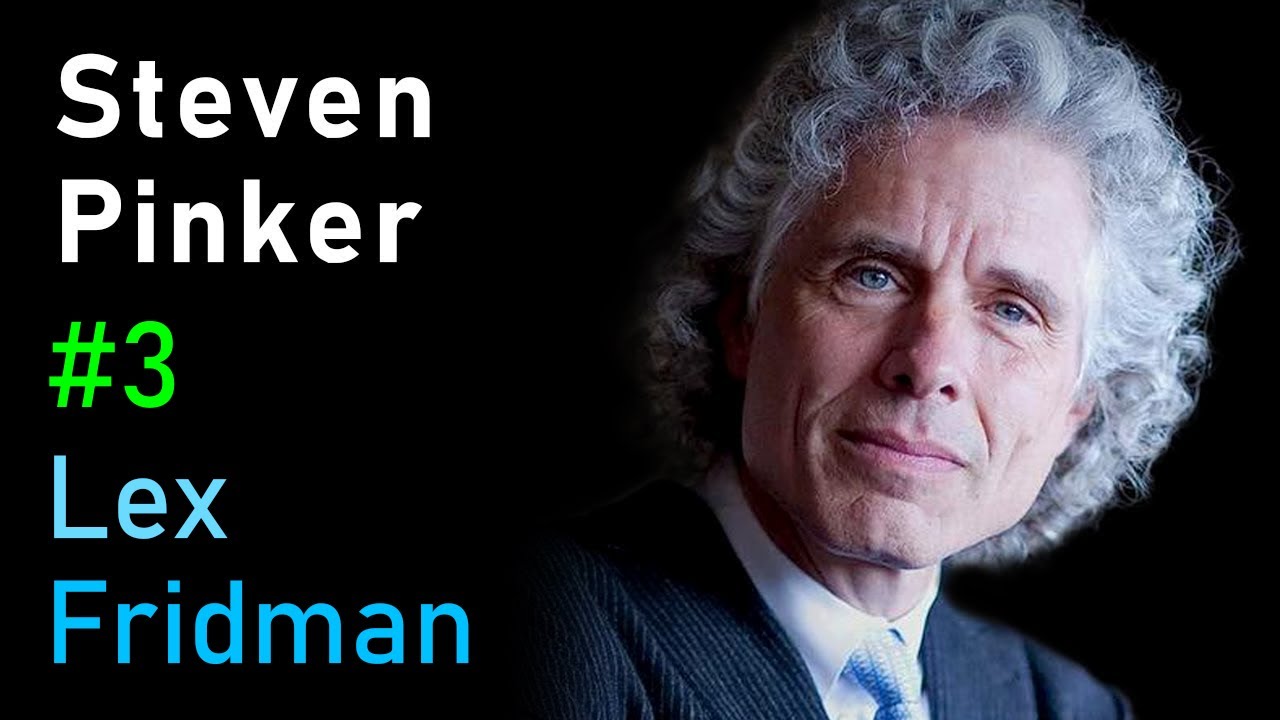
Key Insights
- Steven Pinker argues that AI does not inherently possess a will to power, contrasting with common fears of AI domination.
- Pinker highlights that AI's goals are determined by human design, not by AI's own volition or intelligence level.
- He emphasizes that engineering culture prioritizes safety, reducing risks in AI development, similar to other technologies.
- Pinker critiques the negativity bias in public discourse, noting it skews perceptions of AI risks.
- AI could significantly reduce traffic fatalities, with 40,000 annual deaths in the U.S. as a current baseline.
How the conversation moved
The episode begins with Steven Pinker addressing the central question of whether artificial intelligence poses an existential threat to humanity. Pinker frames the discussion by contrasting human intelligence, which inherently seeks knowledge and understanding, with AI, which lacks intrinsic goals or desires. He argues that AI's capabilities are often misunderstood, leading to exaggerated fears about its potential to dominate or harm humanity.
Pinker presents his main argument that AI's goals and behaviors are entirely dependent on human design and programming. He provides evidence by pointing out that current AI lacks the deep semantic understanding characteristic of human cognition. Pinker emphasizes that intelligence does not inherently come with a will to power, and any fears of AI developing such ambitions are unfounded. He uses the analogy of engineering safety in cars to illustrate how AI systems can be designed with constraints to prevent harmful outcomes.
Despite Pinker's strong stance, there is little pushback from the host, Lex Fridman, on the core premises of Pinker's argument. The conversation lacks significant tension or challenge, as Fridman seems to agree with Pinker's perspective on AI's existential risks being overblown. The potential counter-position that AI could develop unforeseen capabilities or goals due to its complexity is not deeply explored, leaving a gap in the discussion.
The episode concludes with Pinker shifting focus to the broader cultural and psychological factors influencing public discourse on AI. He critiques the negativity bias that skews perceptions of AI risks, referencing Tom Lehrer's satirical advice to predict the worst for recognition. Pinker argues that this bias affects how society prioritizes threats, often overlooking the tangible benefits AI can provide, such as reducing traffic fatalities. The conversation ends without resolving the tension between AI's potential risks and benefits, leaving room for further exploration.
Surprising moments
In-depth
AI and Human Intelligence
- Pinker argues human intelligence seeks knowledge, unlike AI.
- AI lacks the semantic understanding inherent in human cognition.
- AI goals are determined by human design, not intrinsic motivation.
Engineering Safety in AI
- AI systems, like cars, are designed with safety constraints.
- Engineering culture prioritizes minimizing risks in technology.
- AI can reduce traffic fatalities, highlighting its potential benefits.
Negativity Bias in AI Discourse
- Pinker notes public discourse often skews negative about AI.
- He references Tom Lehrer's quote on predicting the worst.
- This bias affects perceptions of AI risks and benefits.
Notable Quotes
There's no reason to think that sheer problem-solving capability will set that as one of its goals.
Still open
- Pinker questions whether the public's negativity bias can be shifted to a more balanced view of AI's risks and benefits.