New Lex Fridman Insight: Thomas Tull: From Batman Dark Knight Trilogy to AI and The Rolling Stones
Sent June 11, 2026
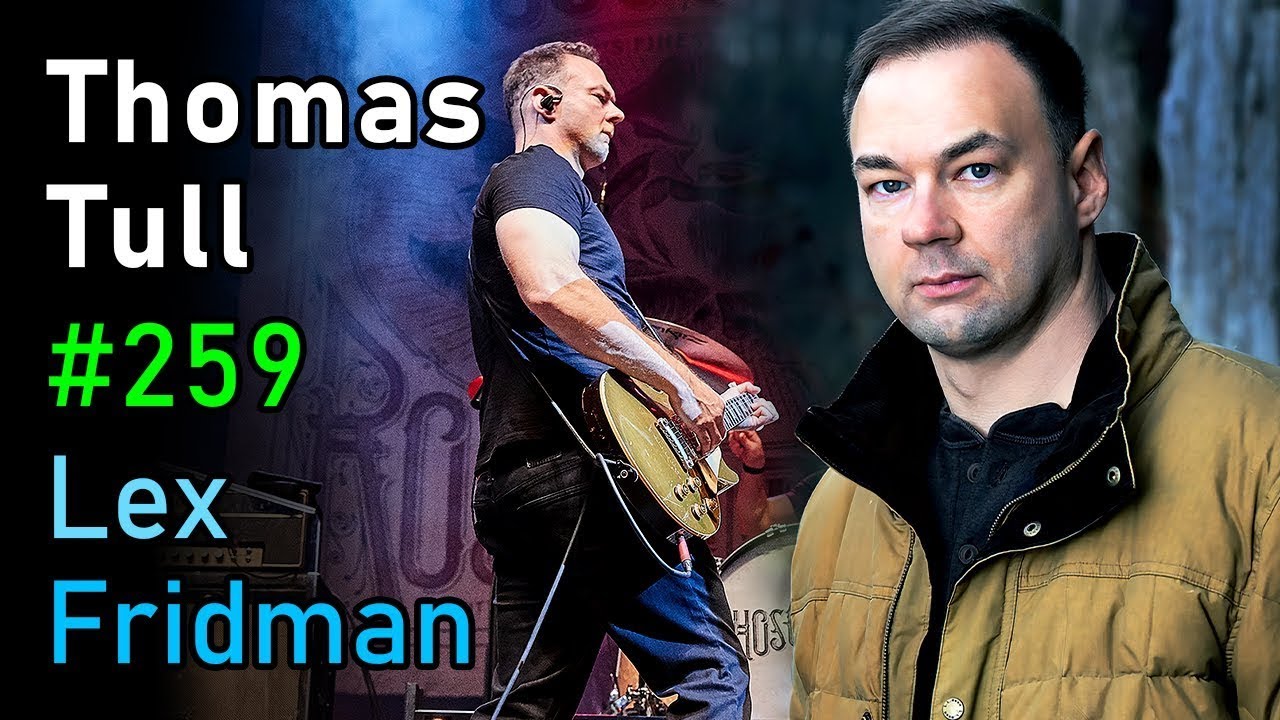
Key Insights
- Thomas Tull raised institutional capital for films, transforming the $30 billion movie industry by reducing reliance on individual investors.
- Netflix's model of balancing constraints and freedom has enabled revolutionary content creation, challenging traditional studios.
- AI development is slower than anticipated due to the complexity of human tasks, but holds potential for enhancing human-robot interaction.
- The Rolling Stones' 60-year career exemplifies longevity in music, with Mick Jagger's fitness routine contributing to their sustained success.
- Thomas Tull emphasizes the importance of legacy and integrity in sports team ownership, beyond mere profitability.
How the conversation moved
The episode begins with Thomas Tull discussing his journey into the filmmaking business, highlighting the lack of institutional capital in the $30 billion industry back in 2004. Tull explains how he managed to raise money from capital markets despite having no prior experience in movies or television, with significant support from Alan Horn of Warner Brothers. This setup frames the conversation around the transformative impact of institutional capital in stabilizing and expanding the film industry, contrasting it with the volatility of individual investments.
Tull's main argument centers on the role of constraints in driving creativity and innovation, using Netflix as a prime example of balancing freedom with limitations to produce groundbreaking content. He contrasts this with traditional studios that often rely on large budgets and effects to mask weak storytelling. The discussion extends to the future of storytelling with the rise of virtual reality, suggesting that new mediums could further challenge conventional narrative forms.
Lex Fridman does not explicitly challenge Tull's views but raises the potential downside of relying on special effects over strong narratives, implying a need for balance. The conversation also touches on AI development, where Tull notes its slower-than-expected progress due to the complexity of human tasks, suggesting a need for realistic expectations. This point could have been a moment for deeper exploration of the implications for industries heavily investing in AI.
The conversation concludes with Tull emphasizing the importance of legacy and integrity in sports ownership, drawing parallels to his approach in the film industry. He argues that sports teams are cultural assets that require ethical stewardship beyond mere profitability. This pivot to sports ownership highlights a broader theme of responsibility and ethical considerations in business, leaving open questions about how these values can be integrated into other industries.
Surprising moments
In-depth
Institutional Capital in Film
- Thomas Tull raised institutional capital for films, transforming the $30 billion movie industry.
- Institutional capital provides stability and long-term investment potential.
- Alan Horn's role at Warner Brothers was pivotal in Tull's success.
Creativity and Constraints
- Netflix's model balances constraints and freedom, enabling revolutionary content.
- Constraints can catalyze creativity, as seen in Jim Cameron's innovations.
- Traditional studios face challenges from more agile content creators.
AI and Human Interaction
- AI development is slower than anticipated due to task complexity.
- AI has potential for deeper human-robot relationships.
- Robotics can take over dangerous jobs, enhancing human experience.
The Rolling Stones' Longevity
- The Rolling Stones celebrate their 60th anniversary, showcasing music longevity.
- Mick Jagger's fitness routine contributes to their sustained success.
- Their career highlights the importance of adaptability in music.
Legacy in Sports Ownership
- Thomas Tull emphasizes legacy and integrity in sports ownership.
- Sports teams are cultural assets, not just businesses.
- Tull argues for ethical stewardship in maintaining a team's significance.
Notable Quotes
I had zero experience in movies and television before I started Legendary, so it was a very interesting trip.
Still open
- How can traditional studios adapt to the agile content creation models exemplified by companies like Netflix?
- What are the implications of AI's slower-than-expected development on industries heavily investing in automation and robotics?