New Lex Fridman Insight: Tim Dillon: Comedy, Power, Conspiracy Theories, and Freedom
Sent June 11, 2026
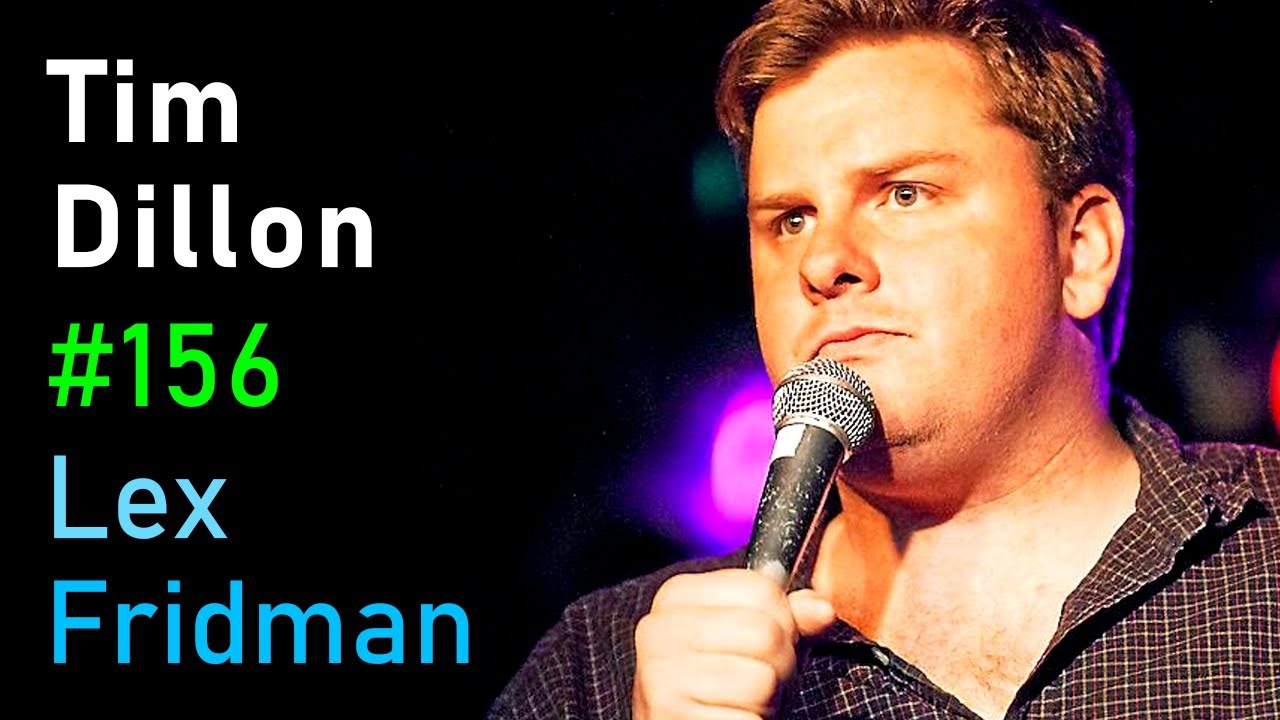
Key Insights
- Tim Dillon criticizes the advice to 'follow your dreams,' arguing it lacks realism for most people.
- Dillon believes AI will create more opportunities than it destroys but worries about job displacement.
- Comedians face self-censorship due to political correctness, impacting their creative freedom.
- Dillon argues that conspiracy theories often have a basis in real issues but are exaggerated.
- The perception of Hollywood as a conspiracy ignores the mundane realities of many lives there.
How the conversation moved
The conversation begins with Tim Dillon critiquing the oft-repeated advice to 'follow your dreams,' which he argues is unrealistic for most people. He shares his own journey in comedy, highlighting the struggles and financial hardships he faced before achieving success. Dillon's perspective challenges the notion that passion alone can lead to success, emphasizing the need for realistic career advice that considers individual circumstances and aptitudes.
Dillon then shifts to discussing the impact of AI on jobs and society. He acknowledges the potential of AI to create more opportunities than it destroys but expresses concern about job displacement and societal chaos. The conversation touches on the role of algorithms in controlling content creation, which Dillon believes affects social discourse and the spread of information. This segment underscores the dual nature of technological advancement, stressing the need for societal adaptation to these changes.
The host does not challenge Dillon's views on AI and job displacement, but Dillon himself questions the cultural power of comedians. He argues that despite the influence of figures like George Carlin, societal issues persist, suggesting that comedy alone may not drive change. This self-reflection highlights the limitations of comedic critique in effecting societal transformation, especially in a politically correct environment that pressures comedians into self-censorship.
The conversation concludes with a discussion on conspiracy theories and Hollywood. Dillon argues that many conspiracy theories have a basis in real issues but are often exaggerated. He contrasts the glamorized view of Hollywood as a conspiracy with the mundane realities of many lives there. This segment reveals Dillon's belief that while some conspiracy theories are exaggerated, they may still reveal underlying societal truths, challenging listeners to discern fact from fiction.
Surprising moments
In-depth
Comedy and Society
- Comedians face pressure to be politically correct, leading to self-censorship.
- The cultural power of comedians like George Carlin is limited in driving societal change.
- The role of comedians has blurred with that of commentators and politicians.
AI and Technological Change
- AI could create more opportunities than it destroys, despite fears of job displacement.
- Algorithms control content creation, impacting social discourse.
Conspiracy Theories
- Conspiracy theories often have elements of truth but are exaggerated.
- Hollywood's perceived conspiracy ignores mundane realities.
Notable Quotes
I would like it to say, this has not been paid for. Yeah. And I want my living relatives to struggle to pay for it.
Still open
- Dillon questioned whether AI's potential to create more opportunities than it destroys will outweigh the societal chaos it might cause.
- Dillon expressed uncertainty about the long-term impact of political correctness on comedy and whether it will stifle creative expression.