New Lex Fridman Insight: Tucker Carlson: Putin, Navalny, Trump, CIA, NSA, War, Politics & Freedom
Sent May 30, 2026
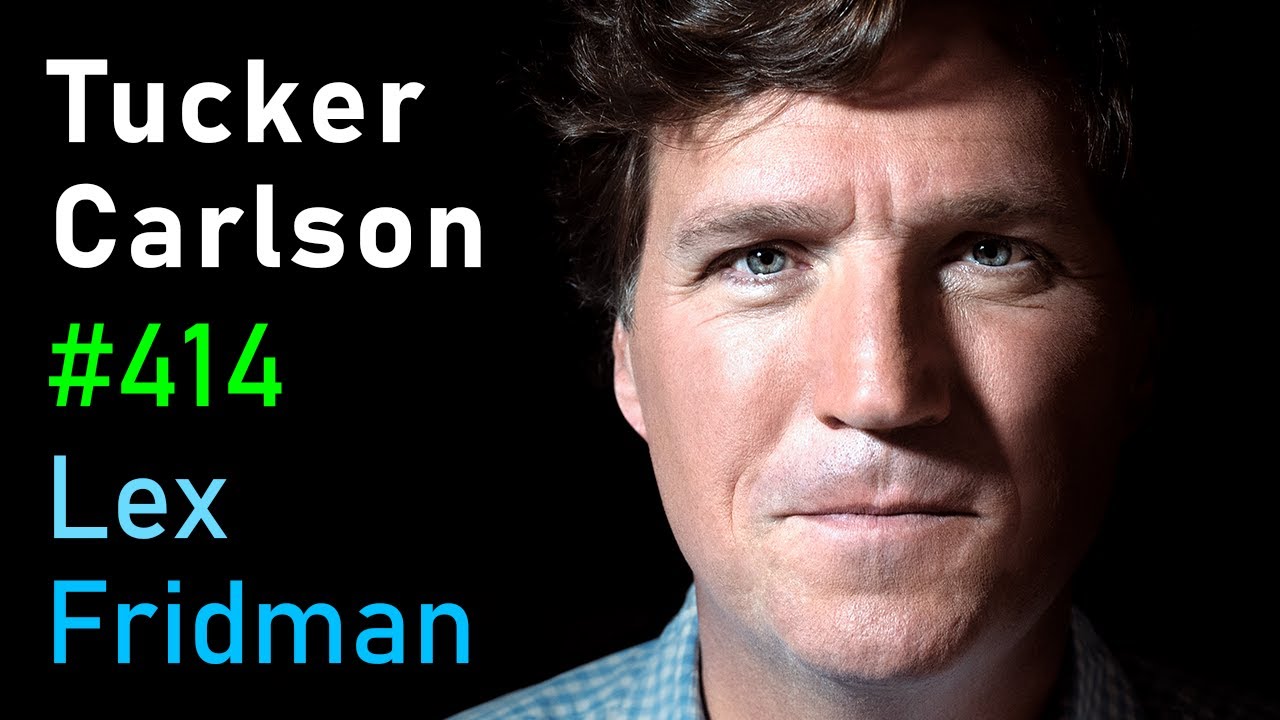
Key Insights
- Tucker Carlson claims the 2020 election was '100% stolen' due to changes in voting processes related to COVID-19.
- Carlson argues that the U.S. media acts as state media, serving government interests rather than public discourse.
- He asserts that NATO's actions, including the Nord Stream pipeline incident, constitute industrial terrorism and environmental crime.
- Carlson criticizes the U.S. for prolonging the Ukraine war, claiming it benefits Western interests at the expense of Ukrainian lives.
- He claims the CIA has interfered in U.S. democracy, citing involvement in the Kennedy assassination as a fact.
How the conversation moved
The conversation began with Tucker Carlson reflecting on his interview with Vladimir Putin, where he discussed the dynamics of fear and power in the context of the Ukraine conflict. Carlson framed the discussion by highlighting the disparity in artillery production between Russia and NATO, suggesting that the U.S. media acts as state media, serving government interests. This setup questioned the integrity of media narratives surrounding the war and other geopolitical issues.
Carlson's main argument centered on the critique of U.S. foreign policy, particularly in Ukraine, where he claimed that the Biden administration's actions have led to more deaths and profits for the West. He brought concrete examples, such as the alleged decline of the U.S. dollar due to sanctions, and historical U.S. interference in foreign elections, which he previously dismissed. These points were used to argue that the U.S. is complicit in prolonging conflicts for its own benefit.
Lex Fridman did not provide significant pushback on Carlson's claims about the media or foreign policy, but there was tension when Fridman challenged Carlson's views on architectural beauty and the role of technology in society. Carlson's assertion that no modern buildings compare to medieval cathedrals was met with Fridman's counterpoint that modern structures, like bridges, can also be beautiful. This highlighted a broader debate on the subjective nature of progress and aesthetics.
The conversation concluded with Carlson discussing the implications of leadership and societal health, emphasizing the importance of family and creation over material success. He critiqued societal norms that discourage family formation and warned against the dangers of technology altering human nature. The discussion left open questions about the future of democracy and media integrity, as Carlson's claims challenged conventional wisdom and historical narratives.
Surprising moments
In-depth
U.S. Media and Government
- Carlson argues that U.S. media serves government interests, acting as state media.
- He claims the NSA admitted to surveilling him, raising concerns about media freedom.
Ukraine Conflict and U.S. Involvement
- Carlson criticizes the U.S. for prolonging the Ukraine war, benefiting Western interests.
- He discusses the moral implications of Navalny's imprisonment.
CIA and Domestic Politics
- Carlson claims the CIA has interfered in U.S. democracy, citing the Kennedy assassination.
- He argues U.S. foreign policy failures stem from a military-industrial complex mindset.
Election Integrity and Censorship
- Carlson claims the 2020 election was '100% stolen' due to COVID-19 voting changes.
- He argues censorship undermines democracy by restricting voter information.
Notable Quotes
I think the world is resetting to the grave disadvantage of the United States.
Still open
- Carlson questioned if the U.S. can maintain its global influence amidst perceived media and governmental failures.
- Fridman asked whether Carlson's claims about the Kennedy assassination could be substantiated with evidence.
References & Resources
- World Press Freedom Index by Reporters Without Borders — Search