New Lex Fridman Insight: Tuomas Sandholm: Poker and Game Theory
Sent June 11, 2026
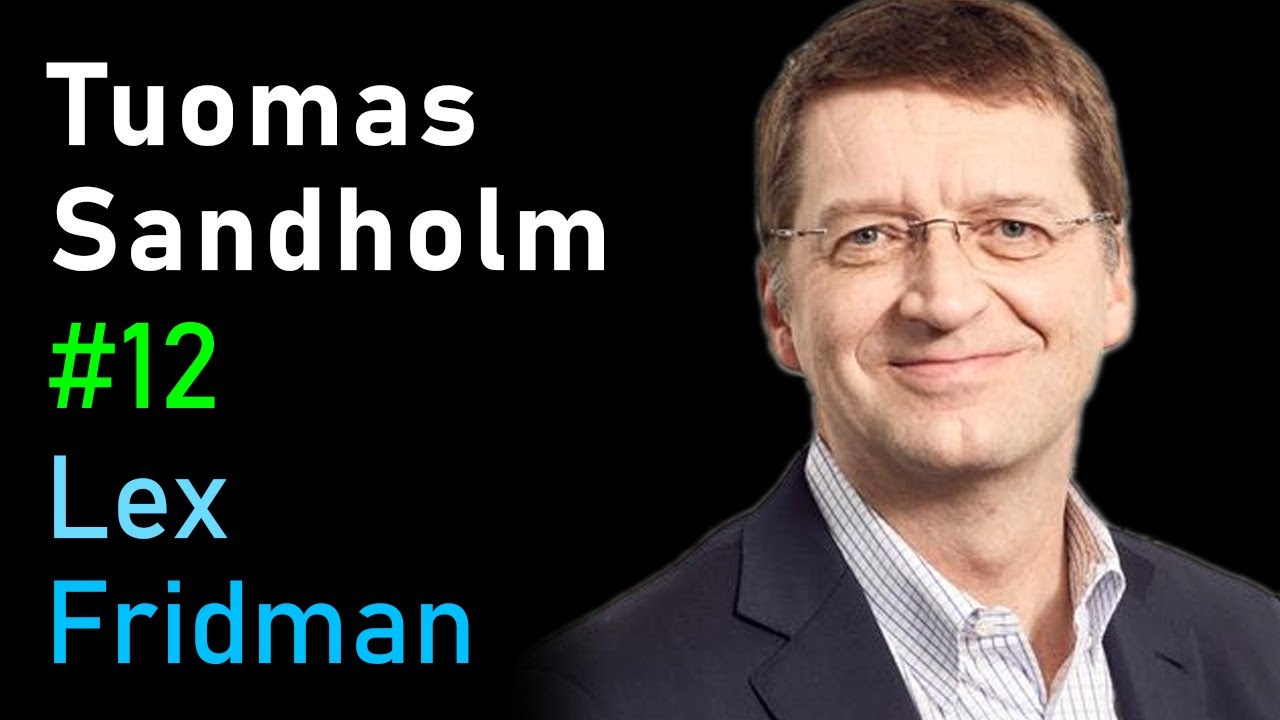
Key Insights
- Libratus defeated top human players in Texas Hold'em, marking a milestone in AI's ability to handle imperfect information games.
- Nash equilibrium in poker involves both strategy and belief definitions, complicating AI's decision-making process.
- Collusion in games can significantly alter outcomes, highlighting the need for careful game design to prevent unfair advantages.
- Game theory applications in real-world scenarios like autonomous vehicles and military strategy remain largely theoretical but have potential for significant impact.
- Mechanism design faces challenges in real-world applications, as seen in FCC spectrum auctions where rules don't encourage truthful bidding.
How the conversation moved
Lex Fridman opened the discussion by framing the conversation around the achievements of Libratus in defeating top human players in Texas Hold'em poker, a significant milestone in AI's capability to handle imperfect information games. Tuomas Sandholm explained the complexities involved in creating an AI that could manage the intricacies of poker, which involves both information and action abstraction. He highlighted the initial skepticism from betting sites, which underestimated Libratus' capabilities, reflecting a common overconfidence in human abilities over AI.
Sandholm's main argument centered on the role of Nash equilibrium in poker, which not only defines strategies but also beliefs about the game state, complicating AI decision-making. He discussed the potential of deep learning techniques to enhance evaluation functions in imperfect information games, although Libratus itself did not rely on these methods. Sandholm also touched on the challenges of collusion in games, emphasizing the need for careful design to prevent unfair advantages.
Despite the depth of the discussion, Lex did not challenge Sandholm's framing of AI's potential in game theory applications. The conversation could have explored the broader implications of AI outperforming humans in strategic games, such as the ethical considerations and the impact on professional poker. Sandholm's optimistic view of AI's role in real-world scenarios, like autonomous vehicles and military strategy, was presented without significant pushback, leaving some potential tensions unexplored.
The conversation concluded with Sandholm discussing the challenges of mechanism design in real-world applications, such as the FCC spectrum auctions, where rules fail to encourage truthful bidding. He expressed optimism about the potential for game theory to impact military planning and business strategy, although he acknowledged that these applications remain largely theoretical. The discussion left open questions about the practical implementation of game-solving technology and the ethical implications of AI in strategic decision-making.
Surprising moments
In-depth
AI in Poker
- Libratus' victory in Texas Hold'em marks a milestone in AI's handling of imperfect information games.
- The AI was initially underestimated by betting sites, reflecting overconfidence in human abilities.
- Poker's complexity involves both information and action abstraction, crucial for managing the game's intricacies.
Nash Equilibrium in Games
- Nash equilibrium involves both strategy and belief definitions, complicating AI decision-making.
- Recent research explores deep learning for evaluation functions in imperfect information games.
- Sound lookahead searches consider various opponent strategies, enhancing decision-making.
Collusion and Game Design
- Collusion can significantly alter game outcomes, requiring careful design to prevent unfair advantages.
- New game representations for coalitional games improve computational feasibility.
- Bridge illustrates the challenges of collusion, as players must coordinate strategies without direct communication.
Real-World Applications of Game Theory
- Game theory's potential in autonomous vehicles and military strategy is largely theoretical but promising.
- Strategic Machine and Strategy Robot aim to push game-solving technology into practical applications.
- Theoretical insights from game theory have yet to see widespread real-world implementation.
Challenges in Mechanism Design
- Mechanism design faces challenges in real-world applications, as seen in FCC spectrum auctions.
- The gap between theoretical design and practical application highlights implementation complexities.
- Efficient trade under imperfect information is often impossible, yet some settings allow it depending on design.
Notable Quotes
So it's probably the most popular spectator game to watch, right?
Still open
- Lex asked about the practical implementation of game-solving technology in real-world scenarios, which remains largely theoretical.