New Lex Fridman Insight: Tyler Cowen: Economic Growth & the Fight Against Conformity & Mediocrity
Sent June 11, 2026
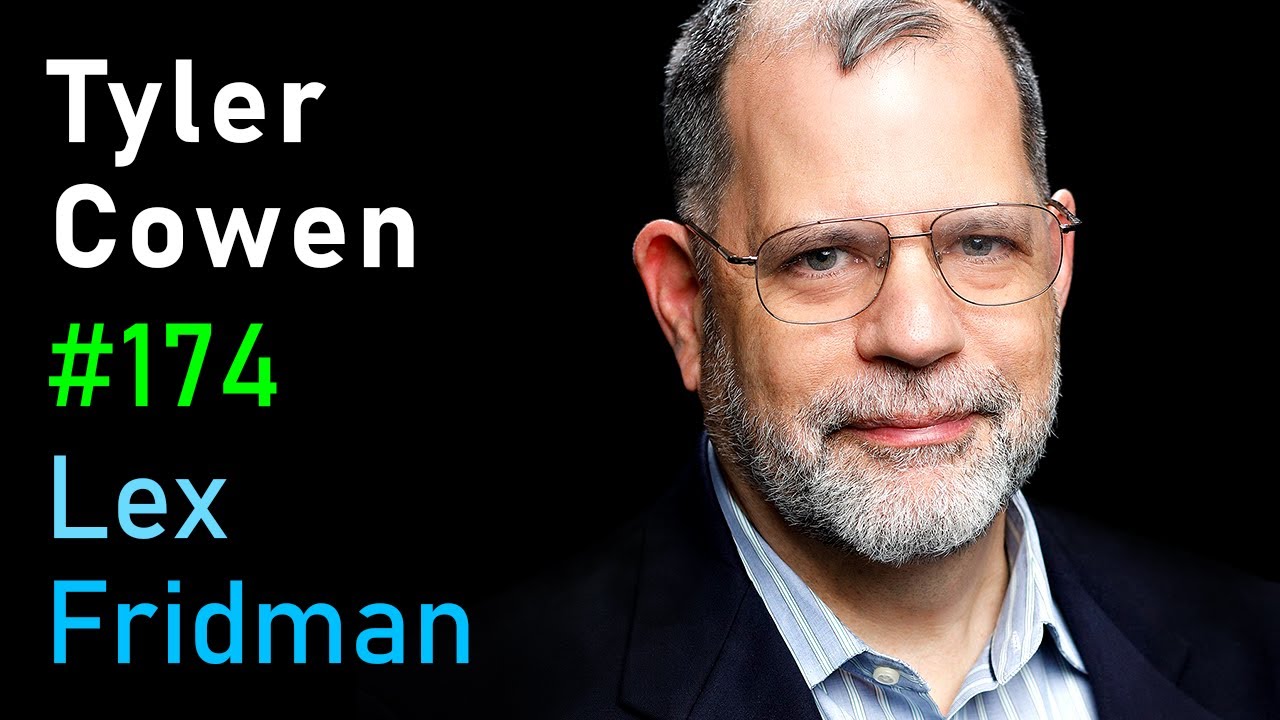
Key Insights
- Tyler Cowen argues that economic growth is hindered by conformity and mediocrity, which stifle innovation and creativity.
- Cowen suggests that the American dream is still attainable for immigrants, citing high earnings among Indian and Iranian Americans.
- The conversation highlights the role of big businesses in effectively responding to the pandemic, showcasing their organizational capabilities.
- Cowen believes that cryptocurrency, while intriguing, faces significant challenges from regulatory environments and established fiat currencies.
- The discussion emphasizes that while UFOs are intriguing, the evidence for alien origins remains weak and speculative.
How the conversation moved
The episode begins with a discussion on the unpredictable nature of economics and the potential for catastrophic events, such as nuclear destruction, due to human behavior. Tyler Cowen frames economics as a tool for asking better questions rather than making predictions, emphasizing the importance of understanding systemic risks. He suggests that while the probability of nuclear destruction is low, it remains an eventual possibility, which sets the stage for exploring broader societal challenges.
Cowen's main argument revolves around the idea that economic growth is hindered by conformity and mediocrity, particularly in academia and business. He provides evidence by highlighting how second-tier schools enforce mediocrity, which stifles innovation and creativity. Cowen also points to the success of immigrants, particularly those from India and Iran, in achieving the American dream, suggesting that systemic barriers, rather than the dream itself, are the primary challenge for native-born Americans.
Lex Fridman does not challenge Cowen's framing directly but highlights the role of big businesses in effectively responding to the pandemic, showcasing their organizational capabilities. This serves as a counterpoint to Cowen's critique of conformity, suggesting that large organizations can still drive innovation and societal resilience. Additionally, the conversation touches on the challenges faced by cryptocurrencies, with Cowen expressing skepticism about their future due to regulatory and competitive pressures.
The conversation concludes with a discussion on the speculative nature of UFOs, where Cowen emphasizes the lack of strong evidence for alien origins. This serves as a metaphor for the broader theme of questioning established narratives and seeking evidence-based conclusions. The episode leaves open questions about the balance between innovation and regulation, and the role of big businesses in shaping future societal outcomes.
Surprising moments
In-depth
Economic Growth and Conformity
- Cowen argues that conformity stifles innovation, impacting economic growth.
- He suggests that mediocrity in academia and business prevents breakthrough ideas.
- The conversation emphasizes the need for environments that challenge the status quo.
American Dream and Immigration
- Cowen notes high earnings among Indian and Iranian Americans as evidence of the American dream.
- He argues that systemic barriers, not the dream itself, are the primary challenge for native-born Americans.
Big Business and Pandemic Response
- Amazon and Zoom's effective pandemic response showcases big business capabilities.
- The NBA's successful bubble highlights organizational competence in crisis management.
Cryptocurrency Challenges
- Cowen is skeptical about cryptocurrency's future due to regulatory and competitive challenges.
- Fiat currency's current effectiveness poses a significant barrier to cryptocurrency adoption.
UFOs and Scientific Inquiry
- The discussion on UFOs highlights the lack of strong evidence for alien origins.
- Cowen suggests that UFO theories may distract from more pressing scientific inquiries.
Notable Quotes
I think we will destroy each other with those weapons. Eventually.
Still open
- Cowen questions whether systemic barriers, rather than the American dream itself, are the primary challenge for native-born Americans.
- The conversation leaves open the question of how cryptocurrencies will navigate regulatory challenges and competition from fiat currencies.