New Lex Fridman Insight: Vivek Ramaswamy: Trump, Conservatism, Nationalism, Immigration, and War
Sent May 30, 2026
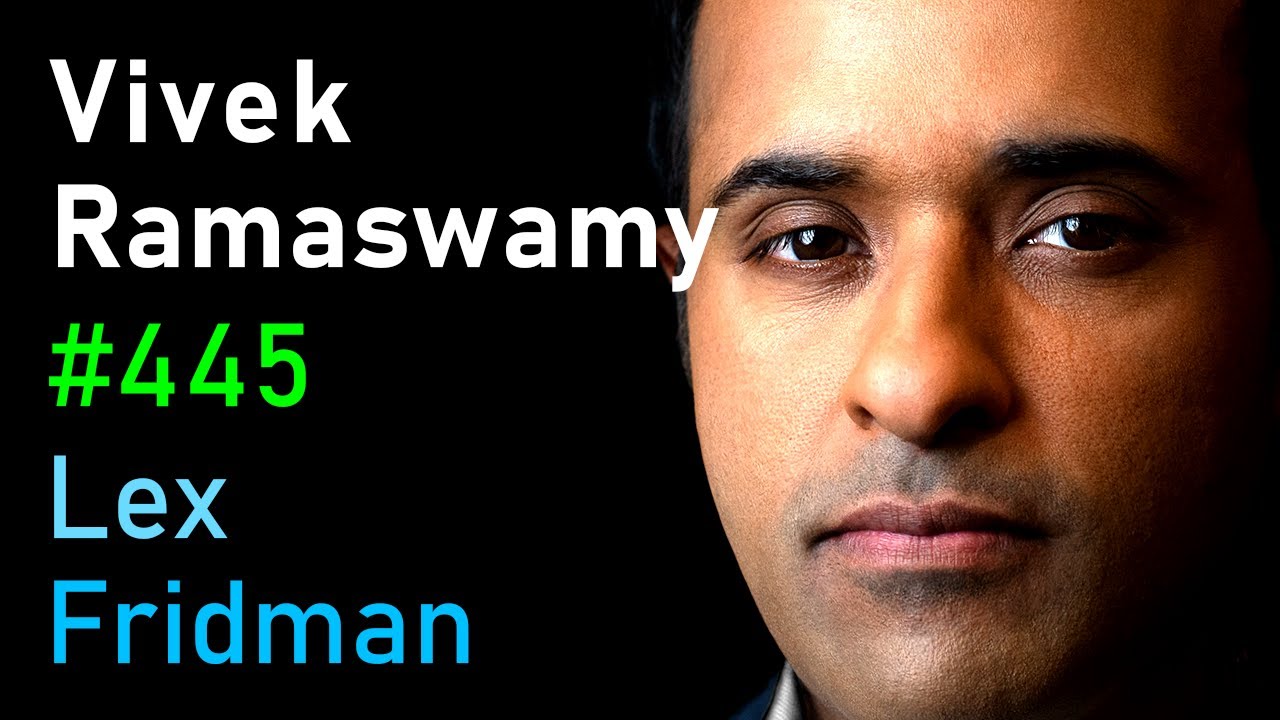
Key Insights
- Vivek Ramaswamy proposes a 75% reduction in federal bureaucracy to streamline governance.
- He argues that meritocracy and group quotas are mutually exclusive, leading to increased societal division.
- Ramaswamy claims the U.S. immigration system incentivizes dishonesty over civic allegiance.
- He believes the suppression of the Hunter Biden laptop story influenced the 2020 election outcome.
- Ramaswamy views the Russia-China military alliance as the greatest threat to U.S. security.
How the conversation moved
The episode opens with Vivek Ramaswamy outlining his vision for conservatism, focusing on a drastic reduction in federal bureaucracy and a return to self-governance. He criticizes the modern Republican Party for lacking a clear ideological stance and emphasizes the incompatibility of meritocracy with group quotas, arguing that such policies foster division rather than unity. Ramaswamy's framing sets the stage for a critique of current governmental and societal structures, positioning himself as a reformist aiming to dismantle what he sees as an overreaching state.
Ramaswamy's main argument centers on the need to reduce federal bureaucracy by 75%, which he believes will restore self-governance and stimulate economic growth. He provides concrete evidence, such as the inefficiencies and constraints of the bureaucratic class, which he claims stifle innovation and deter competent individuals from pursuing government roles. He also critiques the DEI agenda, arguing it creates legal liabilities and stifles the free exchange of ideas, further supporting his call for systemic reform.
Despite the bold claims, there is little pushback from Lex Fridman, leaving Ramaswamy's assertions largely unchallenged. The conversation lacks a critical examination of the potential consequences of such drastic bureaucratic cuts or the feasibility of implementing his proposed changes. The only notable tension arises when Ramaswamy pushes back against the notion that American identity is based on blood and soil, advocating instead for a creed-based identity rooted in founding ideals.
The discussion concludes with Ramaswamy addressing foreign policy concerns, particularly the threat posed by the Russia-China alliance. He proposes strategies to weaken this alliance and reduce U.S. dependence on China, framing these actions as essential for national security. The episode wraps up with reflections on his presidential campaign experience, emphasizing the importance of leadership and debate in American politics, while leaving open questions about the practical implementation of his ambitious reform agenda.
Surprising moments
In-depth
Conservatism and Bureaucracy
- Ramaswamy advocates for a 75% reduction in federal bureaucracy.
- He believes meritocracy and group quotas cannot coexist.
- The rise of bureaucracy is seen as a decline trajectory for the U.S.
Immigration and American Identity
- Ramaswamy critiques the immigration system for rewarding dishonesty.
- He argues American identity should be based on ideals, not lineage.
- Mass deportation is seen as necessary due to high illegal immigration.
Election Integrity and Media Influence
- He claims the Hunter Biden story suppression affected the 2020 election.
- Proposes single-day voting and voter ID to ensure election integrity.
Foreign Policy and Global Threats
- Ramaswamy identifies the Russia-China alliance as a major threat.
- He suggests reducing U.S. dependence on China for national security.
Still open
- Ramaswamy questions whether the next generation will value meritocracy over equity-focused policies.
- He wonders about the long-term effects of dismantling federal bureaucracy on U.S. governance.