New Lex Fridman Insight: Walter Isaacson: Elon Musk, Steve Jobs, Einstein, Da Vinci & Ben Franklin
Sent May 30, 2026
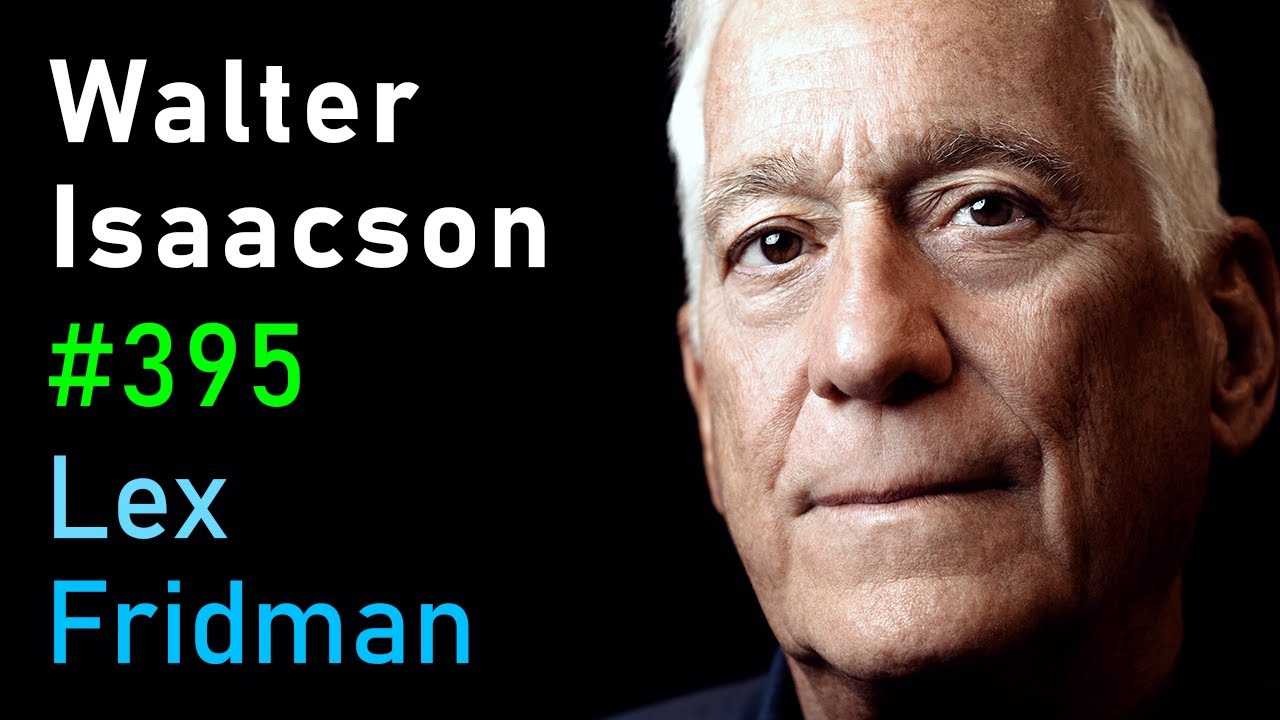
Key Insights
- Elon Musk's childhood trauma, including being bullied and having an abusive father, shaped his drive and ambition.
- Musk's approach to innovation involves end-to-end control, as seen with Tesla's in-house manufacturing shift.
- Musk's leadership style at Twitter emphasized a hardcore work ethic, firing 85% of the engineering team.
- Isaacson highlights the importance of storytelling and genuine curiosity in writing biographies.
- Einstein's first wife, Mileva, played a crucial role in his work on special relativity, yet he treated her poorly.
How the conversation moved
Lex Fridman opens the conversation by probing Walter Isaacson on the psychological underpinnings of Elon Musk's drive, particularly focusing on Musk's challenging childhood. Isaacson frames Musk's experiences as a testament to how personal demons can be harnessed for greatness, citing Musk's difficult relationship with his father as a pivotal influence. The discussion sets the stage for exploring how these early experiences have shaped Musk's ambitious goals and relentless pursuit of innovation, drawing parallels to other historical figures with similar backgrounds.
Isaacson delves into Musk's mission-driven mindset, highlighting his three major objectives: spacefaring civilization, sustainable energy, and AI safety. He draws parallels between Musk and figures like Einstein and Da Vinci, noting their shared ability to think beyond conventional norms. Isaacson provides concrete examples, such as Musk's shift to in-house manufacturing at Tesla, illustrating how Musk's hands-on approach and visual thinking drive innovation. This narrative establishes Musk's unique position in modern technological advancement and his impact on industries.
Despite the compelling narrative, the conversation lacks significant pushback from Lex on Musk's methods, particularly regarding the ethical implications of his leadership style. Isaacson describes Musk's drastic measures at Twitter, including firing a large portion of the staff, but the discussion does not deeply explore the potential negative consequences of such actions. Lex could have challenged Isaacson on whether Musk's approach is sustainable or if it risks alienating talent and stifling creativity, but this angle remains underexplored in the dialogue.
The conversation pivots to the broader theme of storytelling, with Isaacson reflecting on his approach to writing biographies. He emphasizes the importance of genuine curiosity and chronological narrative to capture the essence of historical figures. This shift in focus highlights Isaacson's broader philosophy on capturing human complexity and the moral growth of his subjects. The discussion concludes with Isaacson's insights into the relationships and personal dynamics that have shaped the lives of figures like Einstein, underscoring the intricate interplay between personal life and professional achievements.
Surprising moments
In-depth
Elon Musk's Childhood
- Musk's violent upbringing and bullying shaped his personality and drive.
- His father's dual nature as an engineer and abuser influenced Musk's life choices.
Innovation and Control
- Musk's decision to bring Tesla's manufacturing in-house was pivotal.
- Tesla's autopilot evolution reflects Musk's commitment to first principles.
Leadership Style
- Musk's leadership at Twitter involved firing 85% of engineers.
- He prioritizes a hardcore work ethic over psychological safety.
Storytelling in Biography
- Isaacson values chronological narrative for showing growth.
- Genuine curiosity is crucial for effective interviewing.
Einstein's Relationships
- Mileva was a key figure in Einstein's work on relativity.
- Einstein's treatment of Mileva was complex and often poor.
Still open
- Isaacson wonders if a new social media company on the blockchain would have been a better approach than Musk's Twitter acquisition.