New Lex Fridman Insight: Yaron Brook: Ayn Rand and the Philosophy of Objectivism
Sent June 11, 2026
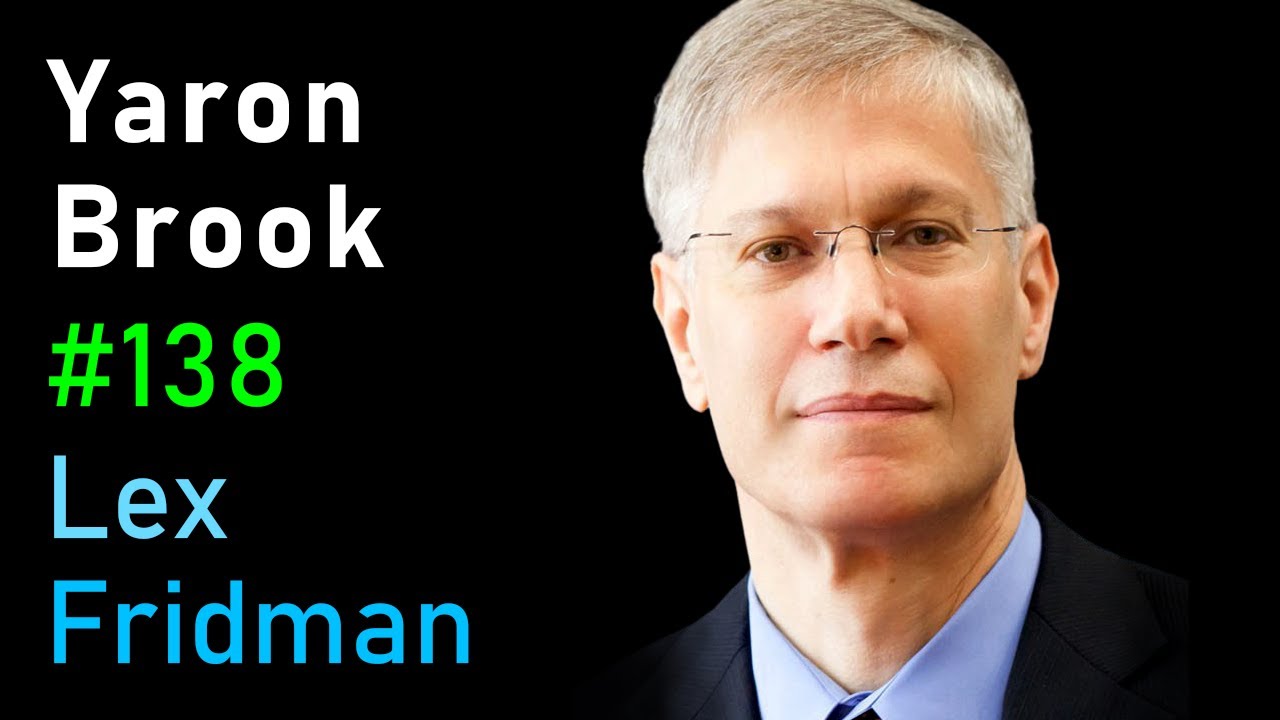
Key Insights
- Yaron Brook argues that reason is the primary means of knowledge and essential for human survival.
- Objectivism posits that reality exists independently of consciousness, aligning with Aristotle's law of identity.
- Brook critiques the notion that wealth inequality inherently leads to resentment, suggesting it's taught rather than natural.
- Ayn Rand's philosophy integrates individual rights with a holistic view of knowledge across disciplines.
- Brook emphasizes that capitalism thrives on win-win transactions, not exploitation.
How the conversation moved
Lex Fridman opens the discussion by framing the central question around the role of reason in human life, with Yaron Brook emphasizing that reason is the sole source of knowledge and crucial for human survival. Brook critiques the notion that human behavior is primarily determined by evolutionary programming, arguing instead for the importance of individual choice and agency. This sets the stage for a broader discussion on the principles of Ayn Rand's objectivism and its implications on human life and societal structures.
Brook's main argument centers on the objectivist view that reality exists independently of consciousness, aligning with Aristotle's law of identity. He posits that perception is limited by our senses, but reason allows us to understand the world beyond these limitations. Brook also highlights that Ayn Rand's philosophy emphasizes individual happiness as the moral purpose of life, rejecting the idea of living for others' happiness. This philosophy requires freedom to function effectively, as coercion and authority hinder rational thought.
Lex challenges Brook on the topic of wealth inequality, presenting a case for socialism based on the disparities it creates. Brook counters by arguing that resentment towards wealth inequality is taught, not inherent, suggesting that societal attitudes can be reshaped through education. He further asserts that capitalism, when properly understood, thrives on creating value through win-win transactions, not exploitation. This pushback highlights the tension between different economic ideologies and the role of education in shaping societal values.
The conversation concludes with Brook discussing the integration of philosophy across various disciplines, as advocated by Ayn Rand. He emphasizes the importance of individual rights and rational self-interest over collective goals, arguing that these principles are essential for a functioning society. The discussion touches on the role of government in protecting individual freedom and the misconceptions surrounding capitalism and wealth inequality. Brook's arguments leave open questions about the practical application of objectivist principles in modern society, particularly in addressing current global challenges.
Surprising moments
In-depth
Reason and Human Agency
- Reason is the primary means of knowledge.
- Human behavior is not solely determined by evolution.
- The ability to focus and engage one's mind is a choice.
Objectivism and Reality
- Reality exists independently of consciousness.
- Objectivism aligns with Aristotle's law of identity.
- Perception is limited by our senses.
Wealth Inequality and Resentment
- Resentment towards wealth inequality is taught.
- Capitalism misunderstood leads to false critiques.
- Entrepreneurs can address market information asymmetries.
Philosophical Integration
- Rand integrates philosophy with psychology, history, and politics.
- Individual rights are central to Rand's philosophy.
- Rand's view of art as essential to human needs.
Capitalism and Win-Win Transactions
- Capitalism thrives on creating value through transactions.
- Wealth inequality doesn't inherently lead to resentment.
- Entrepreneurs can solve market information issues.
Notable Quotes
I think the secret to living a great life is to take it seriously.
Still open
- Lex asked whether societal attitudes towards wealth can be reshaped through education, but Brook left this open.
- Brook mentioned the practical application of objectivist principles in modern society as an unresolved issue.