New Lex Fridman Insight: Yeonmi Park: North Korea
Sent June 11, 2026
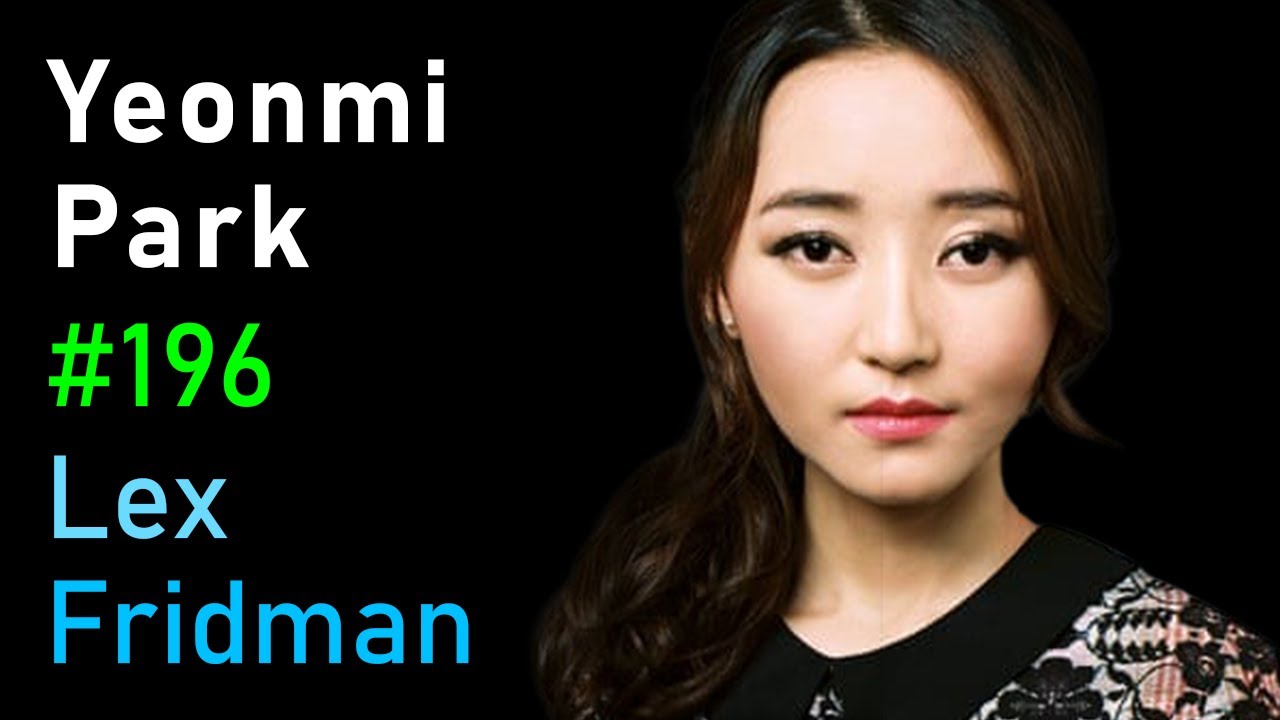
Key Insights
- North Korea's famine from 1994 to 1998 resulted in the deaths of up to 3 million people, with reports of cannibalism as a survival tactic.
- Kim Jong Un's regime is likened to a religious cult, with Kim Il Sung revered as a deity, and North Korea's calendar starting from his birth.
- The U.S. avoids assassinating Kim Jong Un due to potential geopolitical fallout, particularly with China.
- North Korea's songbun system categorizes citizens into castes, predetermining their lives and opportunities.
- The Juche ideology promotes self-reliance but centralizes power among North Korea's elite, contrasting with Marxist principles.
How the conversation moved
The conversation began with Yeonmi Park recounting her experiences in North Korea, focusing on the devastating famine from 1994 to 1998, which led to widespread starvation and reports of cannibalism. Park highlighted the regime's manipulation of information and the lack of basic freedoms, such as access to the internet, which keeps the population isolated and indoctrinated. The host framed the discussion around the human rights abuses and the extreme control exerted by the North Korean government over its citizens, setting the stage for a deeper exploration of the regime's impact on individual lives.
Park's main argument centered on the oppressive nature of the North Korean regime, likening it to a religious cult with Kim Jong Un as its deity. She provided concrete evidence of this through the regime's control over historical narratives and the calendar, which begins with Kim Il Sung's birth. Additionally, Park discussed the geopolitical implications of the U.S. choosing not to assassinate Kim Jong Un, emphasizing the potential fallout with China and the broader impact on global stability. The conversation also touched on the songbun system, which categorizes citizens into castes, effectively determining their futures and maintaining regime control.
Despite the powerful arguments presented, there was little direct pushback from the host. However, Park herself introduced tension by contrasting the perceived happiness of North Korean elites with the struggles faced by individuals in free societies, challenging the notion that freedom guarantees happiness. She also pushed back against Michael Malice's anarchist views, advocating for structured government and law enforcement. This self-generated tension added depth to the discussion, as it highlighted the complexities of freedom and governance in different contexts.
The conversation concluded with reflections on the adaptability of humans and the oppressive systems in North Korea. Park expressed a rational optimism about the potential for change, contingent on the willingness of individuals to fight for freedom. The discussion shifted towards the broader implications of Juche ideology, which promotes self-reliance while concentrating power among the elite, and the role of the Chinese Communist Party in supporting the North Korean regime. This final pivot underscored the interconnectedness of global politics and the challenges of addressing human rights abuses in isolation.
Surprising moments
In-depth
North Korea's Famine
- The famine from 1994 to 1998 led to up to 3 million deaths.
- Cannibalism was reported as a means of survival.
- The regime's policies exacerbated the crisis.
Kim Jong Un's Regime as a Religion
- Kim Il Sung is revered as a deity.
- The regime's calendar starts from Kim Il Sung's birth.
- This religious-like structure ensures regime loyalty.
U.S. and Kim Jong Un Assassination
- Assassinating Kim Jong Un could provoke China.
- The geopolitical risks outweigh potential benefits.
- Maintaining stability is a priority for the U.S.
Songbun System
- The system categorizes citizens into castes.
- It determines citizens' lives and opportunities.
- It maintains regime control through social stratification.
Juche Ideology
- Promotes self-reliance but centralizes power.
- Contradicts Marxist principles of state support.
- Ensures regime control over the populace.
Notable Quotes
I think about the torture of the human spirit. I think about a North Korean child who could be a scientist, an artist, a writer, but who instead grows impossibly thin without food, their bodies slowly rotting away as their parents watch helplessly.
Still open
- Yeonmi Park questioned how the world can remain passive while human rights abuses akin to the Holocaust occur in North Korea.