All topics / artificial intelligence
Topic
You are reading the free Skim layer. Read unlocks the synthesis and sources.
Artificial intelligence
6
episodes
6
thinkers
9h
of conversation
20
books & papers
13
terms defined
The neighbourhood: artificial intelligence and the ideas it travels with. Drag to roam, click a star for the episode, click a neighbour to travel.
Drag to roam · scroll to zoom · click a neighbour to travel · click a star for the episode
From foundational to frontier
Climb the spectrum. The most accessible conversations come first.
Start here
ACCESSIBLECOREFRONTIER
The lexicon
Every term the guests lean on, in plain language. Read one in full, or filter to find it.
+1 more terms unlock the full lexicon with Read.
What the corpus says
The throughline across every conversation that touches this idea.
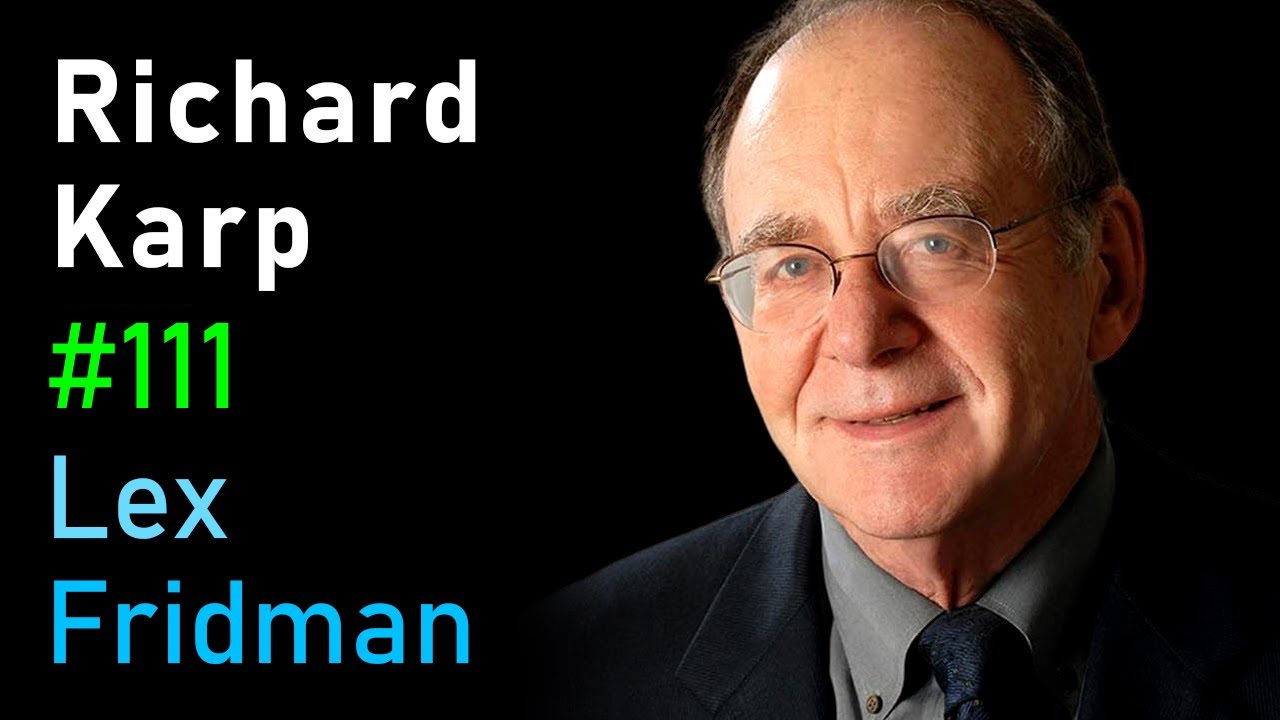
Richard Karp received the Turing Award in 1985 for his foundational work on algorithms, including proving 21 problems to be NP complete.
Richard Karp · Richard Karp: Algorithms and Computational Complexity
The P vs NP problem asks if every problem whose solution can be quickly verified can also be quickly solved, with Karp betting P is not equal to NP.
Richard Karp · Richard Karp: Algorithms and Computational Complexity
Randomized algorithms, like the Rabin Karp algorithm, use randomness to efficiently solve problems, demonstrating the power of probabilistic methods in computer science.
Richard Karp · Richard Karp: Algorithms and Computational Complexity
Karp argues that current AI cannot surpass a six-month-old child's comprehension, doubting human-level intelligence can be achieved through algorithms alone.
Richard Karp · Richard Karp: Algorithms and Computational Complexity
Despite the theoretical complexity of NP complete problems, practical applications like SAT solvers can handle them efficiently.
Richard Karp · Richard Karp: Algorithms and Computational Complexity
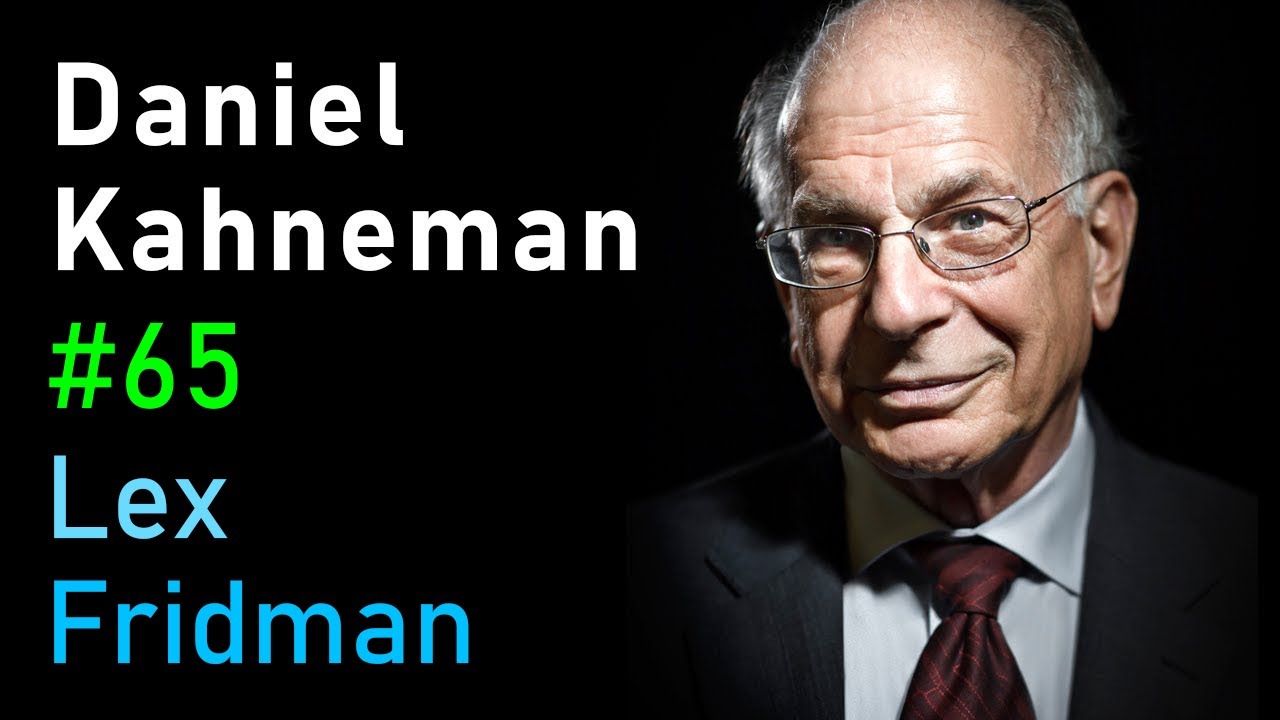
Kahneman argues that deep learning mimics System One thinking, being fast and predictive but lacking reasoning and causality.
Daniel Kahneman · Daniel Kahneman: Thinking Fast and Slow, Deep Learning, and AI
The distinction between the experiencing self and the remembering self explains why people often prioritize memories over actual experiences.
Daniel Kahneman · Daniel Kahneman: Thinking Fast and Slow, Deep Learning, and AI
DeepMind and OpenAI are exploring neural networks for reasoning, but temporal causality remains a challenge.
Daniel Kahneman · Daniel Kahneman: Thinking Fast and Slow, Deep Learning, and AI
Controlled experiments in psychology often fail to translate to real-world outcomes, as shown by a 0% success rate in studies on gym attendance.
Daniel Kahneman · Daniel Kahneman: Thinking Fast and Slow, Deep Learning, and AI
Kahneman highlights that dehumanization enables ordinary people to commit atrocities, challenging assumptions about human morality.
Daniel Kahneman · Daniel Kahneman: Thinking Fast and Slow, Deep Learning, and AI
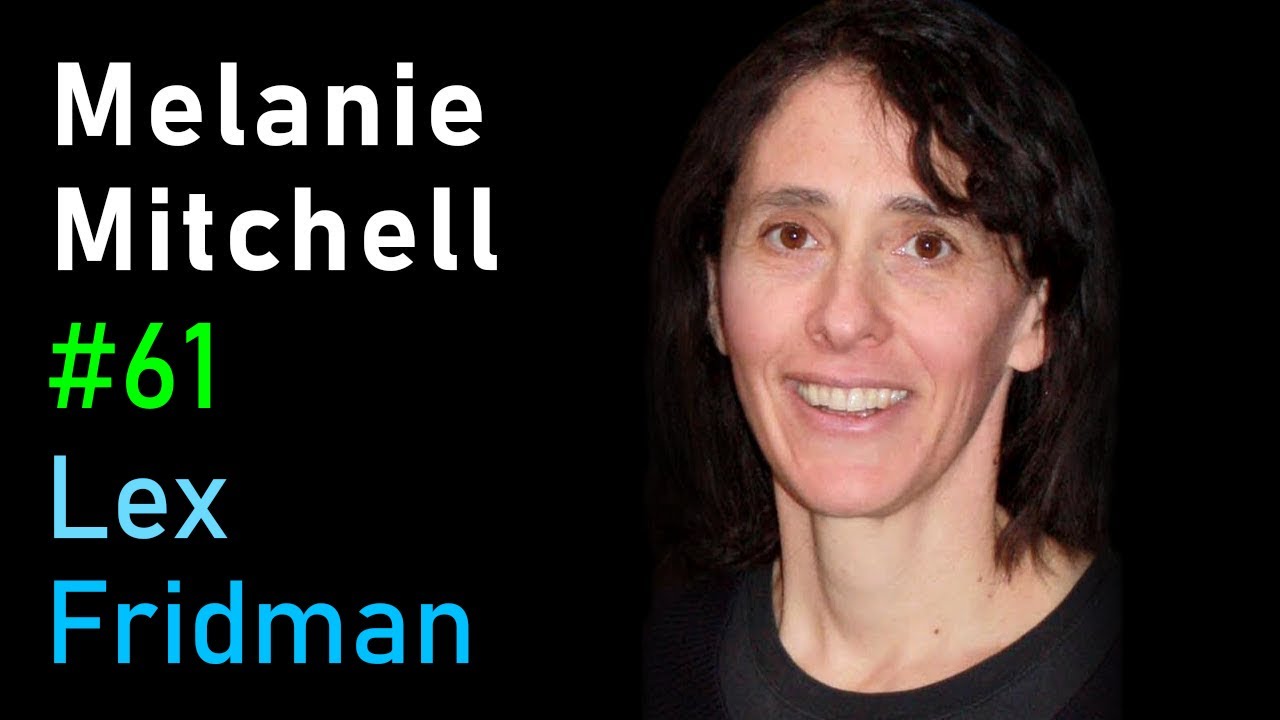
Melanie Mitchell critiques the term 'artificial intelligence' as misleading, preferring 'complex information processing.'
Melanie Mitchell · Melanie Mitchell: Concepts, Analogies, Common Sense & Future of AI
Deep learning lacks the ability to prioritize relevant features, limiting its understanding of concepts like a paddle or a ball in games.
Melanie Mitchell · Melanie Mitchell: Concepts, Analogies, Common Sense & Future of AI
Voices on artificial intelligence
12 standout quotes from across the corpus.
Go read
20 books and papers cited across these episodes.
For the specialist
What experts find new
14 expert-level takeaways for a specialist reader.
At the frontier
Still unresolved
7 open questions flagged across these conversations.
The thinkers
Who takes this idea on, by how often they return to it.