All topics / quantum mechanics
Topic
You are reading the free Skim layer. Read unlocks the synthesis and sources.
Quantum mechanics
7
episodes
7
thinkers
14h
of conversation
24
books & papers
21
terms defined
The neighbourhood: quantum mechanics and the ideas it travels with. Drag to roam, click a star for the episode, click a neighbour to travel.
Drag to roam · scroll to zoom · click a neighbour to travel · click a star for the episode
From foundational to frontier
Climb the spectrum. The most accessible conversations come first.
Start here
ACCESSIBLECOREFRONTIER

The lexicon
Every term the guests lean on, in plain language. Read one in full, or filter to find it.
+9 more terms unlock the full lexicon with Read.
What the corpus says
The throughline across every conversation that touches this idea.
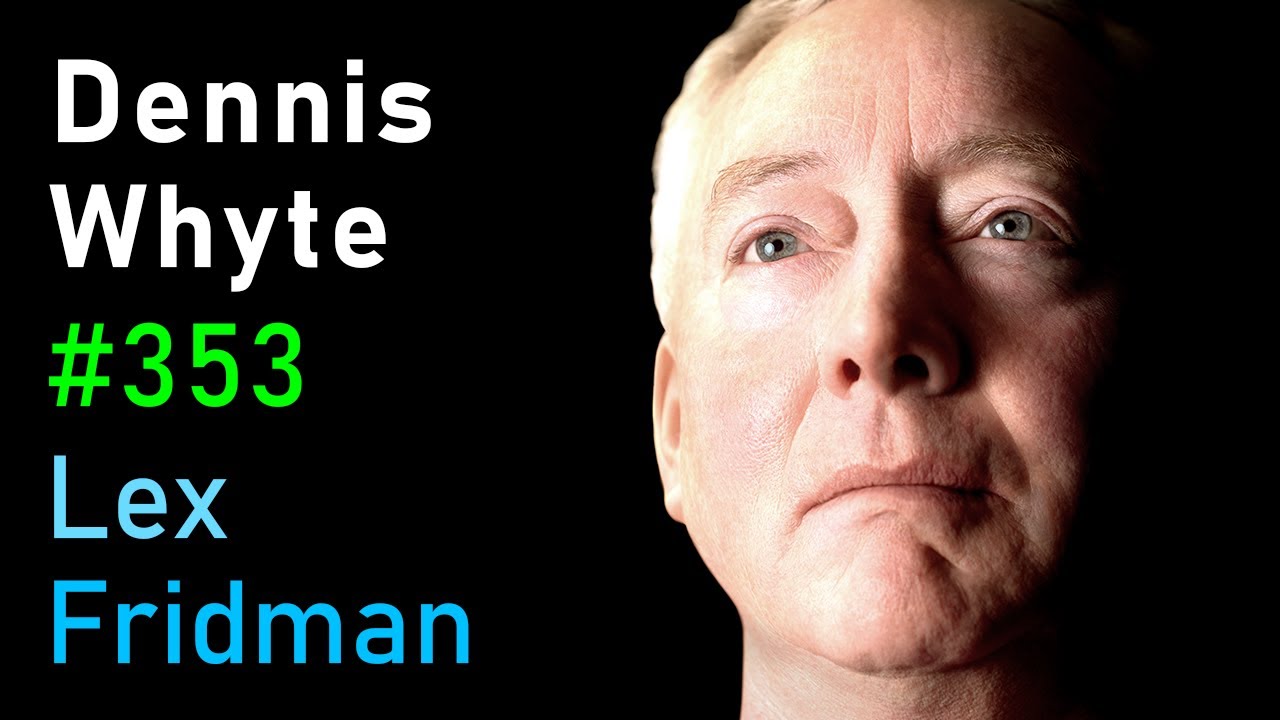
Fusion requires temperatures of 100 million degrees Celsius on Earth, unlike the sun's 20 million degrees.
Dennis White · Dennis Whyte: Nuclear Fusion and the Future of Energy
Fusion energy has intrinsic safety features, unlike fission, preventing runaway reactions.
Dennis White · Dennis Whyte: Nuclear Fusion and the Future of Energy
Fusion fuel costs could be as low as 10 cents per person per year, making it economically attractive.
Dennis White · Dennis Whyte: Nuclear Fusion and the Future of Energy
SPARC aims to produce over 100 million watts of fusion power, 40 times smaller than ITER.
Dennis White · Dennis Whyte: Nuclear Fusion and the Future of Energy
Quantum tunneling is crucial for overcoming energy barriers in nuclear fusion reactions.
Dennis White · Dennis Whyte: Nuclear Fusion and the Future of Energy
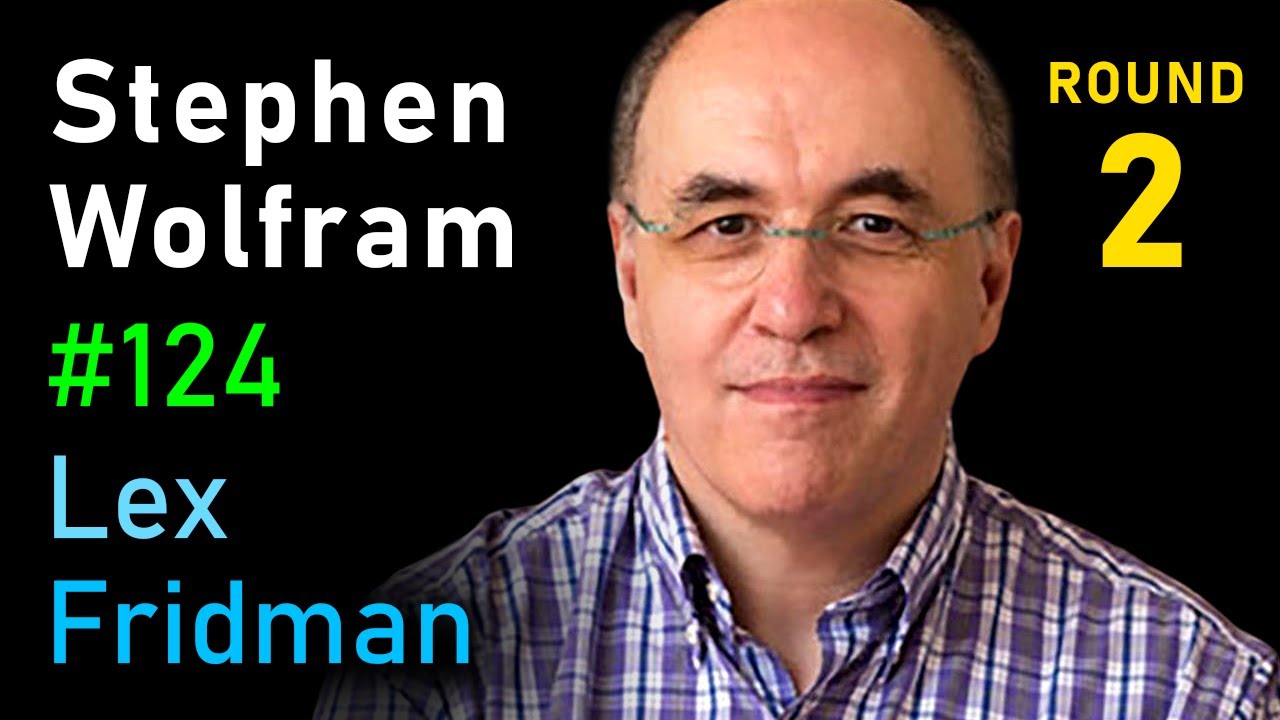
Wolfram's principle of computational equivalence suggests that complex phenomena arise from simple rules, challenging traditional scientific predictability.
Stephen Wolfram · Stephen Wolfram: Fundamental Theory of Physics, Life, and the Universe
The Wolfram Physics Project posits that space is fundamentally discrete, with 'atoms of space' much smaller than known particles.
Stephen Wolfram · Stephen Wolfram: Fundamental Theory of Physics, Life, and the Universe
Causal invariance in Wolfram's models allows new approaches to computation, potentially impacting parallel processing and quantum computing.
Stephen Wolfram · Stephen Wolfram: Fundamental Theory of Physics, Life, and the Universe
Wolfram argues that the universe operates at a computational level equivalent to a Turing machine, not hyper-computational.
Stephen Wolfram · Stephen Wolfram: Fundamental Theory of Physics, Life, and the Universe
Quantum mechanics and general relativity are seen as pockets of computational reducibility within a broader framework of irreducibility.
Stephen Wolfram · Stephen Wolfram: Fundamental Theory of Physics, Life, and the Universe
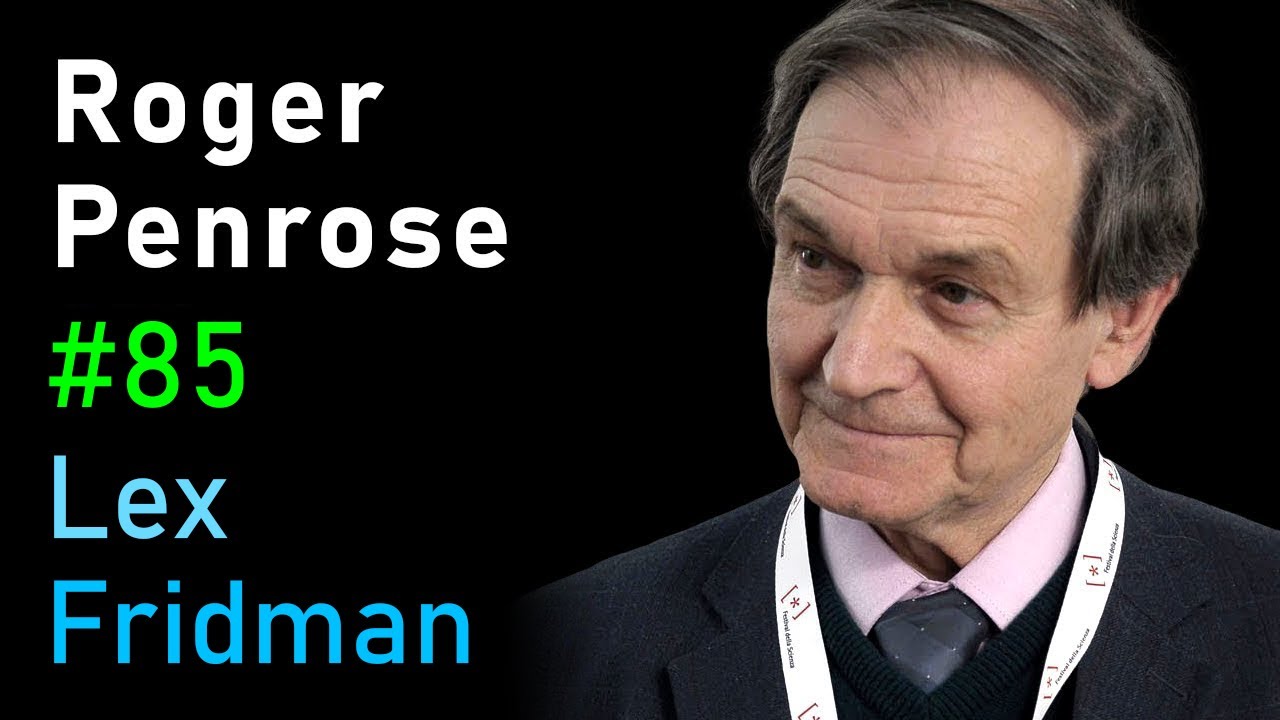
Roger Penrose argues that consciousness cannot be fully explained by computational models, citing the cerebellum's unconscious nature despite its high neuron count.
G 6del's Incompleteness Theorem implies limitations in computational systems, suggesting that consciousness involves noncomputable processes.
Voices on quantum mechanics
12 standout quotes from across the corpus.
Go read
24 books and papers cited across these episodes.
For the specialist
What experts find new
19 expert-level takeaways for a specialist reader.
At the frontier
Still unresolved
12 open questions flagged across these conversations.
The thinkers
Who takes this idea on, by how often they return to it.