All topics / sexual violence
Topic
You are reading the free Skim layer. Read unlocks the synthesis and sources.
Sexual violence
1
episodes
1
thinkers
3h
of conversation
4
books & papers
4
terms defined
The neighbourhood: sexual violence and the ideas it travels with. Drag to roam, click a star for the episode, click a neighbour to travel.
Drag to roam · scroll to zoom · click a neighbour to travel · click a star for the episode
From foundational to frontier
Climb the spectrum. The most accessible conversations come first.
Start here
ACCESSIBLECOREFRONTIER
The lexicon
Every term the guests lean on, in plain language. Read one in full, or filter to find it.
What the corpus says
The throughline across every conversation that touches this idea.
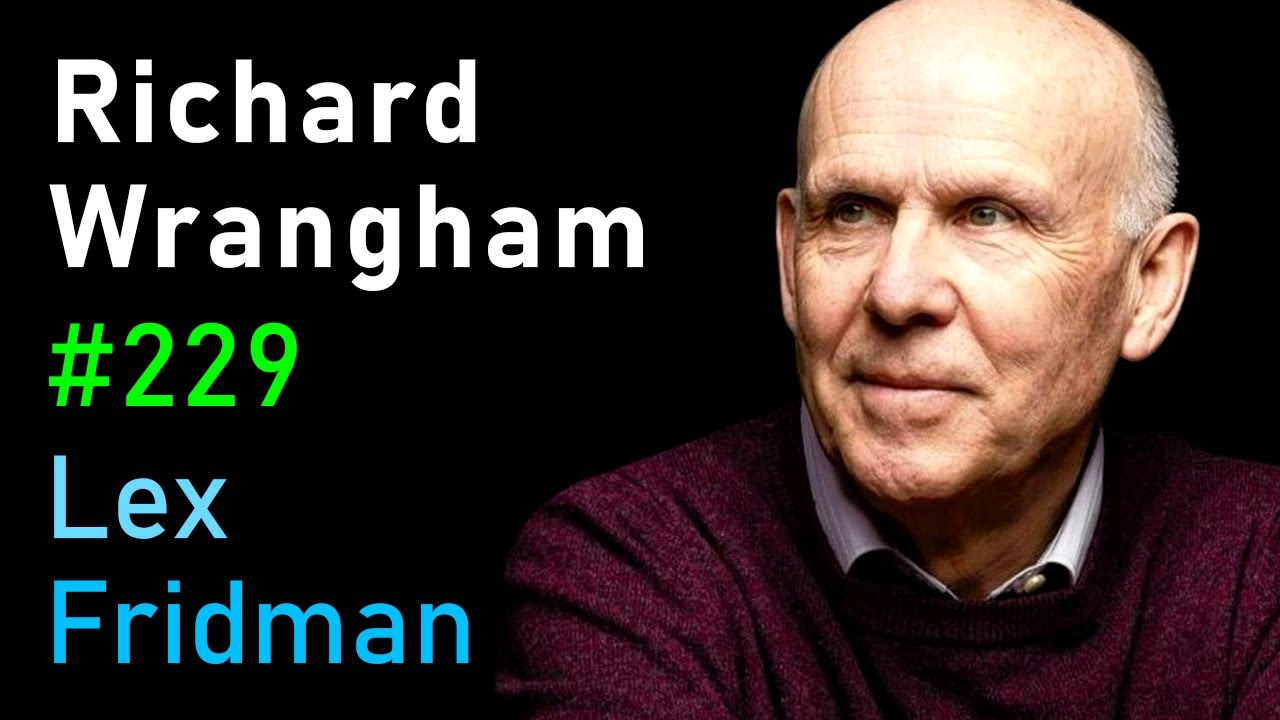
Humans exhibit significantly lower reactive aggression compared to chimpanzees, with violence occurring 500-1000 times less frequently.
Richard Wrangham · Richard Wrangham: Violence, Sex, and Fire in Human Evolution
Cooking food allowed Homo erectus to develop smaller guts and larger brains, crucial for human evolution.
Richard Wrangham · Richard Wrangham: Violence, Sex, and Fire in Human Evolution
Mutually Assured Destruction (MAD) has prevented nuclear war since 1945, acting as a psychological deterrent.
Richard Wrangham · Richard Wrangham: Violence, Sex, and Fire in Human Evolution
Sexual violence in war reflects power dynamics and evolutionary roots, not just cultural phenomena.
Richard Wrangham · Richard Wrangham: Violence, Sex, and Fire in Human Evolution
The domestication of animals and humans shows reduced aggression leads to physical changes, seen in early Homo sapiens.
Richard Wrangham · Richard Wrangham: Violence, Sex, and Fire in Human Evolution
Voices on sexual violence
5 standout quotes from across the corpus.
Go read
4 books and papers cited across these episodes.
For the specialist
What experts find new
3 expert-level takeaways for a specialist reader.
At the frontier
Still unresolved
2 open questions flagged across these conversations.
The thinkers
Who takes this idea on, by how often they return to it.