Noam Brown: AI vs Humans in Poker and Games of Strategic Negotiation
Core Takeaways
Libratus AI defeated top poker players using Nash equilibrium strategies, winning $2 million over 120,000 hands.
Why it matters
This demonstrates AI's ability to apply advanced game theory in real-world scenarios, challenging human expertise.
AI's success in poker shows the potential of search-based strategies over pre-computed ones, crucial for games with imperfect information.
▶ 1:00:00
Why it matters
Search-based strategies can adapt dynamically, offering a competitive edge in environments with hidden variables.
AI in poker benefits from chaotic strategies for viewer engagement, not just optimal play, highlighting the role of personality in competitive gaming.
▶ 30:00
Why it matters
This suggests a future where AI can enhance entertainment value, not just efficiency, in competitive settings.
Cicero AI ranked second in Diplomacy, demonstrating AI's capability in complex, negotiation-heavy games.
▶ 2:00:00
Why it matters
AI's performance in Diplomacy indicates its growing sophistication in handling human-like negotiation and strategy.
AI's limitation in modeling human irrationality affects performance in multi-player games like Diplomacy.
▶ 2:30:00
Why it matters
Understanding these limitations is crucial for improving AI's interaction with human players in complex social settings.
Ask this episode Deep
A preview of how Deep chat answers, grounded in this episode with citations and timestamps:
Cite this episode
For papers, blog posts, anywhere.
Related episodes
Where to go next from this conversation.
More on these ideas
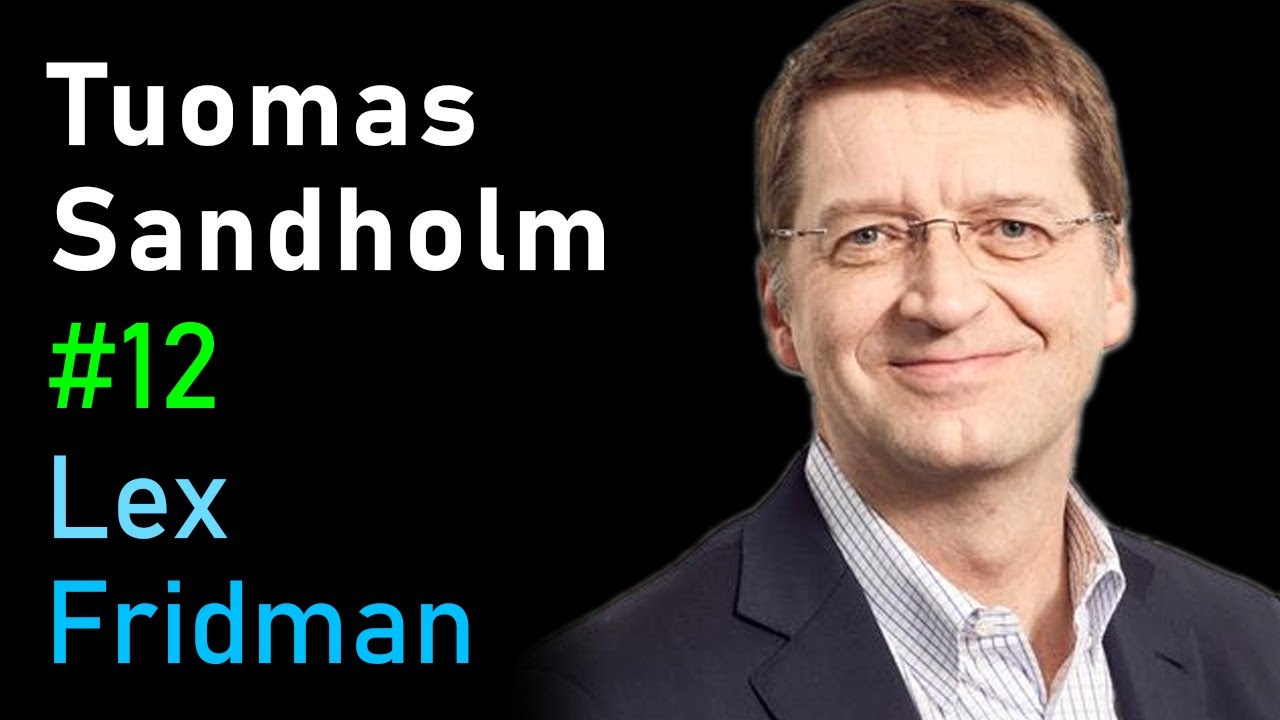 Tuomas Sandholm: Poker and Game Theory
Shares game theory, Nash equilibrium
1h 6m
Tuomas Sandholm: Poker and Game Theory
Shares game theory, Nash equilibrium
1h 6m
 Demis Hassabis: Future of AI, Simulating Reality, Physics and Video Games
More like this
2h 28m
Demis Hassabis: Future of AI, Simulating Reality, Physics and Video Games
More like this
2h 28m
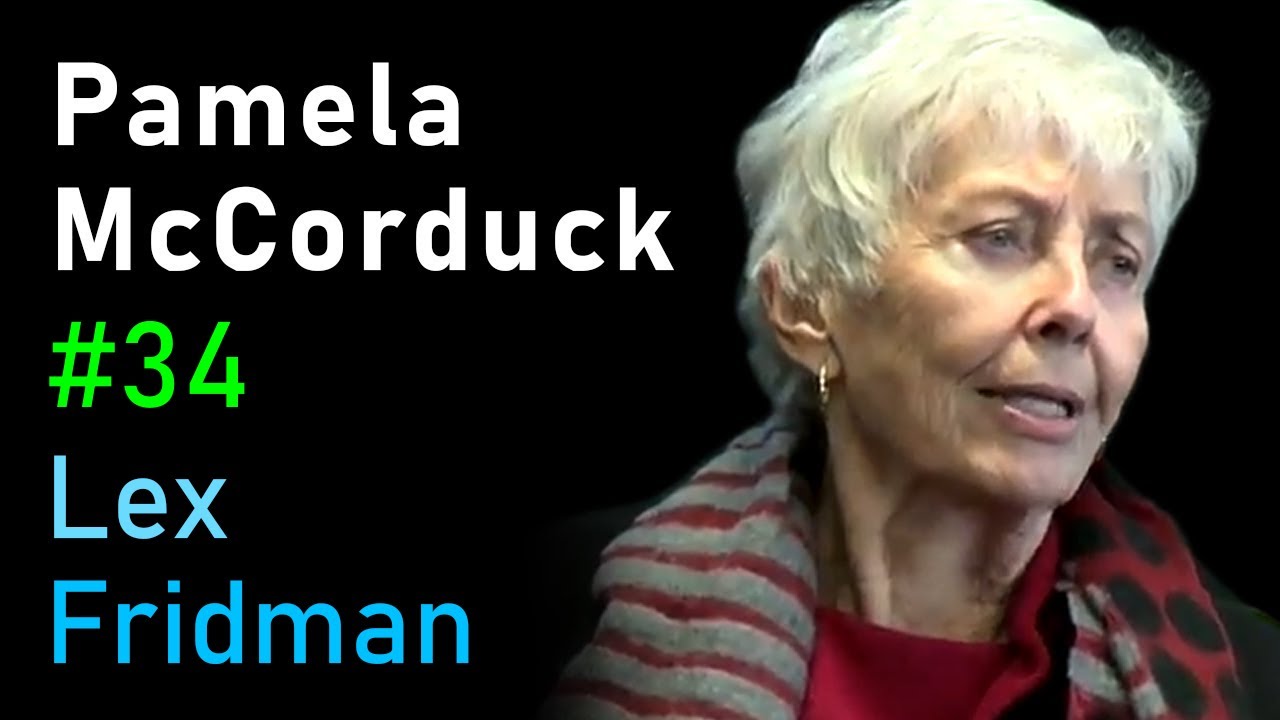 Pamela McCorduck: Machines Who Think and the Early Days of AI
More like this
1h
Pamela McCorduck: Machines Who Think and the Early Days of AI
More like this
1h
 Liv Boeree: Poker, Game Theory, AI, Simulation, Aliens & Existential Risk
Shares game theory
3h 35m
Liv Boeree: Poker, Game Theory, AI, Simulation, Aliens & Existential Risk
Shares game theory
3h 35m
AI-generated summary · last refreshed 2026-06-10 21:45:30 · how we make these
Quotes are matched verbatim against the source transcript; references are checked to resolve to real URLs. Even so, AI can misread structure or attribute claims imperfectly. If you spot an error, please let us know.