Todd Howard: Skyrim, Elder Scrolls 6, Fallout, and Starfield
Core Takeaways
Todd Howard's immersive game design philosophy prioritizes player freedom, leading to dynamic and unpredictable gameplay experiences.
▶ 1:00
Why it matters
This approach creates engaging worlds that feel alive, enhancing player immersion and satisfaction.
Starfield features 100 star systems and 1,000 planets, aiming to evoke a sense of loneliness and beauty in space exploration.
▶ 50:00
Why it matters
The game's scale and design challenges push the boundaries of current gaming technology and narrative scope.
Fallout 3's development, completed in just two and a half years, showcased Bethesda's rapid and prolific game production capabilities.
▶ 1:30:00
Why it matters
This efficiency in game development set a high standard for subsequent projects, influencing industry practices.
The Elder Scrolls series, including Skyrim, emphasizes open-world exploration and player-driven character development.
▶ 20:00
Why it matters
The series' design principles have shaped modern RPGs, influencing player expectations and game mechanics.
Bethesda's acquisition by Microsoft for $7.5 billion highlights the strategic importance of exclusive content in the gaming industry.
▶ 2:00:00
Why it matters
This acquisition reflects the growing trend of consolidation in the gaming industry, impacting competition and innovation.
Ask this episode Deep
A preview of how Deep chat answers, grounded in this episode with citations and timestamps:
Cite this episode
For papers, blog posts, anywhere.
Related episodes
Where to go next from this conversation.
More on these ideas
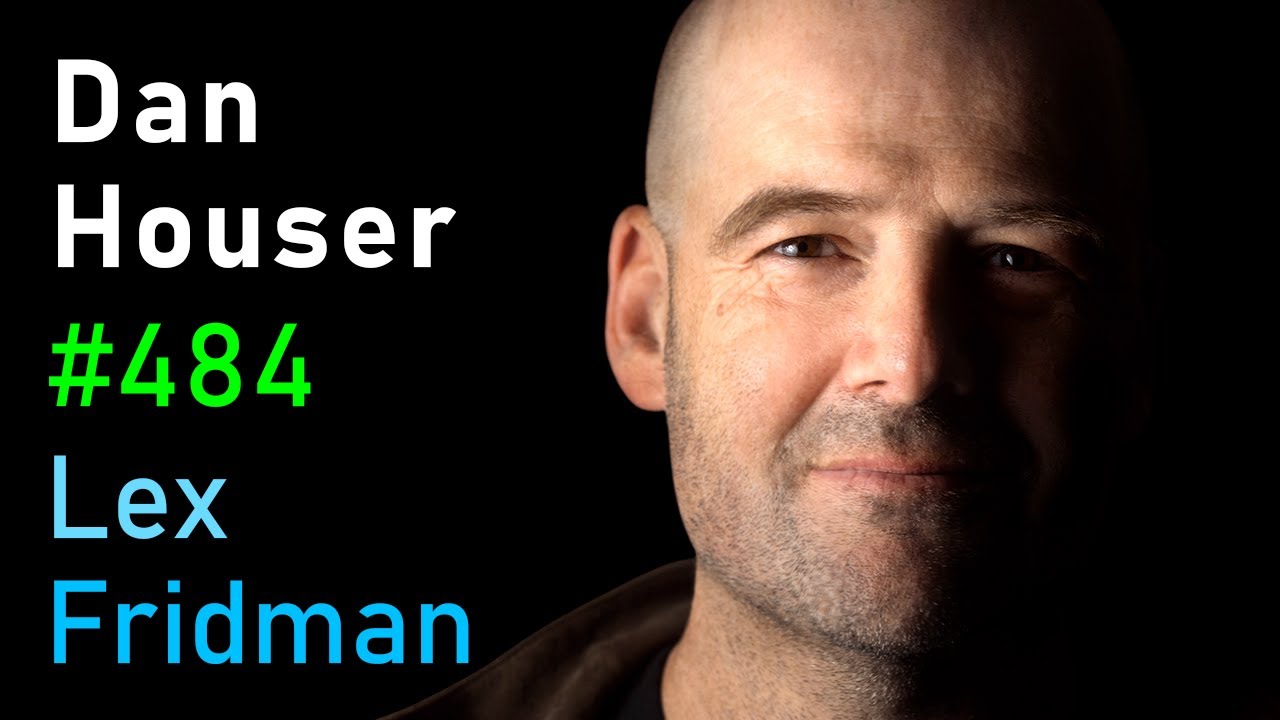 Dan Houser: GTA, Red Dead Redemption, Rockstar, Absurd & Future of Gaming | Lex Fridman Podcast #484
Shares game design, open world
2h 45m
Dan Houser: GTA, Red Dead Redemption, Rockstar, Absurd & Future of Gaming | Lex Fridman Podcast #484
Shares game design, open world
2h 45m
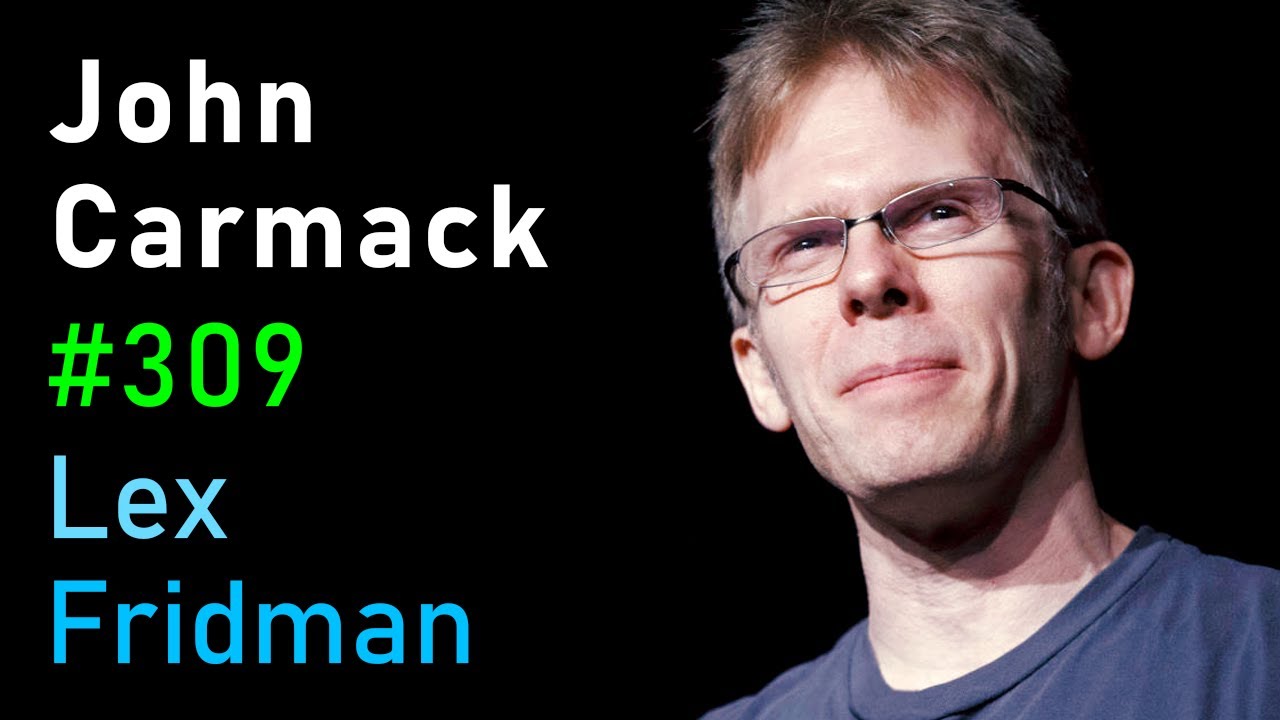 John Carmack: Doom, Quake, VR, AGI, Programming, Video Games, and Rockets
Shares game development
5h 14m
John Carmack: Doom, Quake, VR, AGI, Programming, Video Games, and Rockets
Shares game development
5h 14m
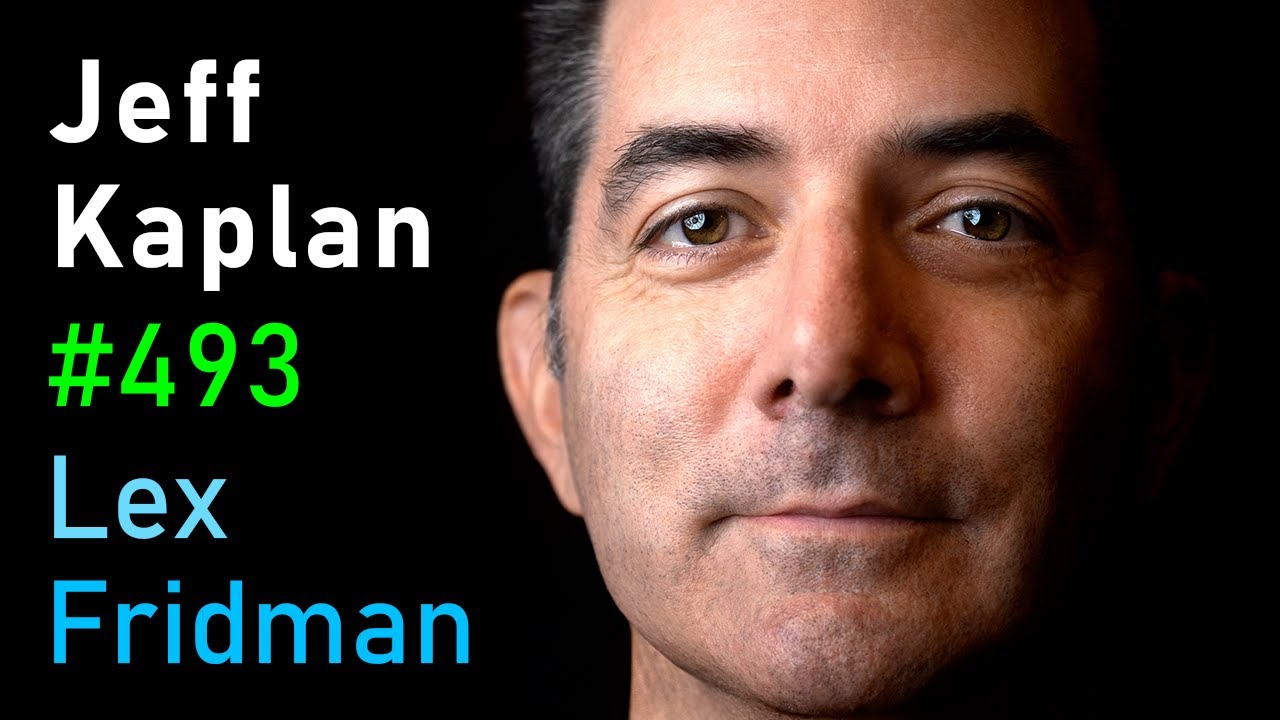 Jeff Kaplan: World of Warcraft, Overwatch, Blizzard, and Future of Gaming | Lex Fridman Podcast #493
Shares game design
5h 10m
Jeff Kaplan: World of Warcraft, Overwatch, Blizzard, and Future of Gaming | Lex Fridman Podcast #493
Shares game design
5h 10m
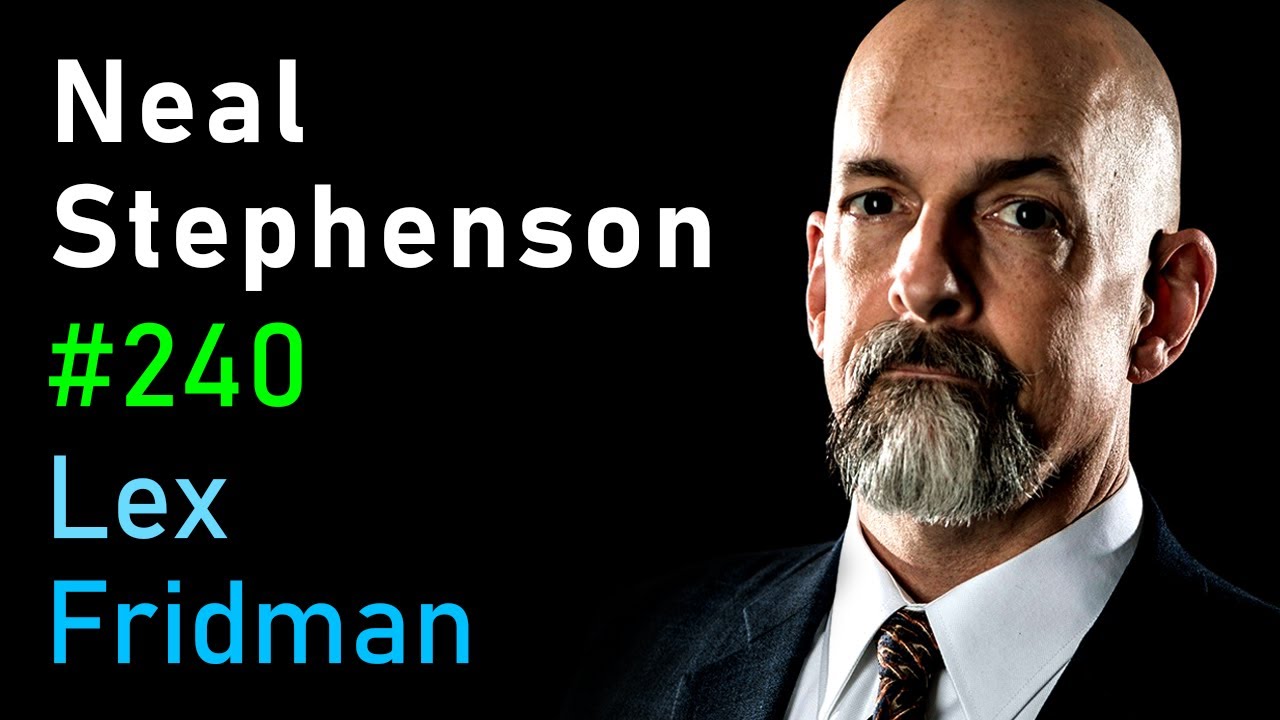 Neal Stephenson: Sci-Fi, Space, Aliens, AI, VR & the Future of Humanity
Shares space exploration
2h 39m
Neal Stephenson: Sci-Fi, Space, Aliens, AI, VR & the Future of Humanity
Shares space exploration
2h 39m
AI-generated summary · last refreshed 2026-06-07 22:02:28 · how we make these
Quotes are matched verbatim against the source transcript; references are checked to resolve to real URLs. Even so, AI can misread structure or attribute claims imperfectly. If you spot an error, please let us know.