Climate Change Debate: Bjørn Lomborg and Andrew Revkin
Core Takeaways
60% of people in OECD countries believe global warming could lead to human extinction.
Why it matters
This belief drives extreme policy measures and public anxiety, impacting global climate strategies.
Electric cars are currently inefficient at cutting carbon emissions due to high costs and battery pollution.
▶ 1:10:00
Why it matters
This inefficiency suggests a need to reassess subsidies and focus on more effective carbon reduction methods.
Fracking has reduced U.S. carbon emissions more than any other single action by replacing coal with natural gas.
▶ 1:11:30
Why it matters
This highlights the complexity of energy transitions and the importance of pragmatic solutions.
The Inflation Reduction Act's models overlook community resistance to infrastructure changes like new transmission lines.
▶ 1:45:00
Why it matters
Ignoring these frictions can lead to unrealistic expectations and policy failures in climate initiatives.
Developing countries like Ghana face energy development challenges due to lack of funding for natural gas.
▶ 2:15:00
Why it matters
Without energy development, these countries risk economic stagnation and increased vulnerability to climate impacts.
Ask this episode Deep
A preview of how Deep chat answers, grounded in this episode with citations and timestamps:
Cite this episode
For papers, blog posts, anywhere.
Related episodes
Where to go next from this conversation.
More on these ideas
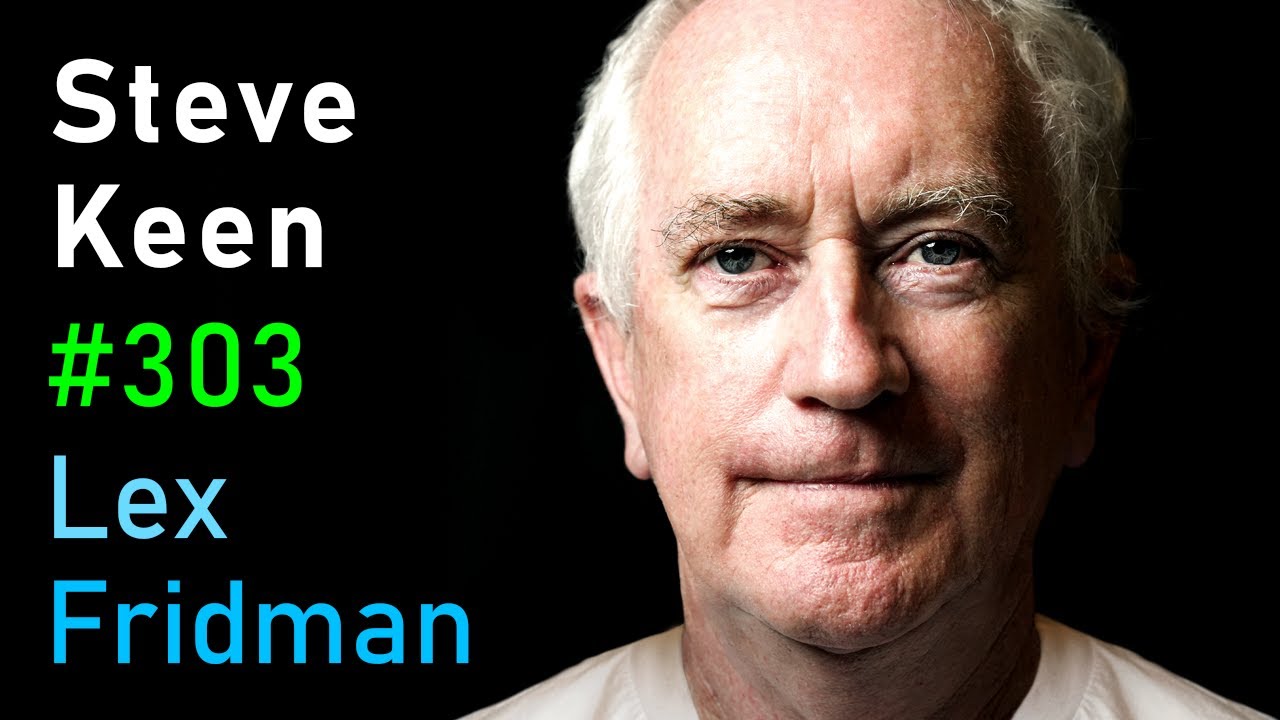 Steve Keen: Marxism, Capitalism, and Economics
Shares climate change
3h 31m
Steve Keen: Marxism, Capitalism, and Economics
Shares climate change
3h 31m
 Noam Chomsky: Putin, Ukraine, China, and Nuclear War
Shares climate change
47m
Noam Chomsky: Putin, Ukraine, China, and Nuclear War
Shares climate change
47m
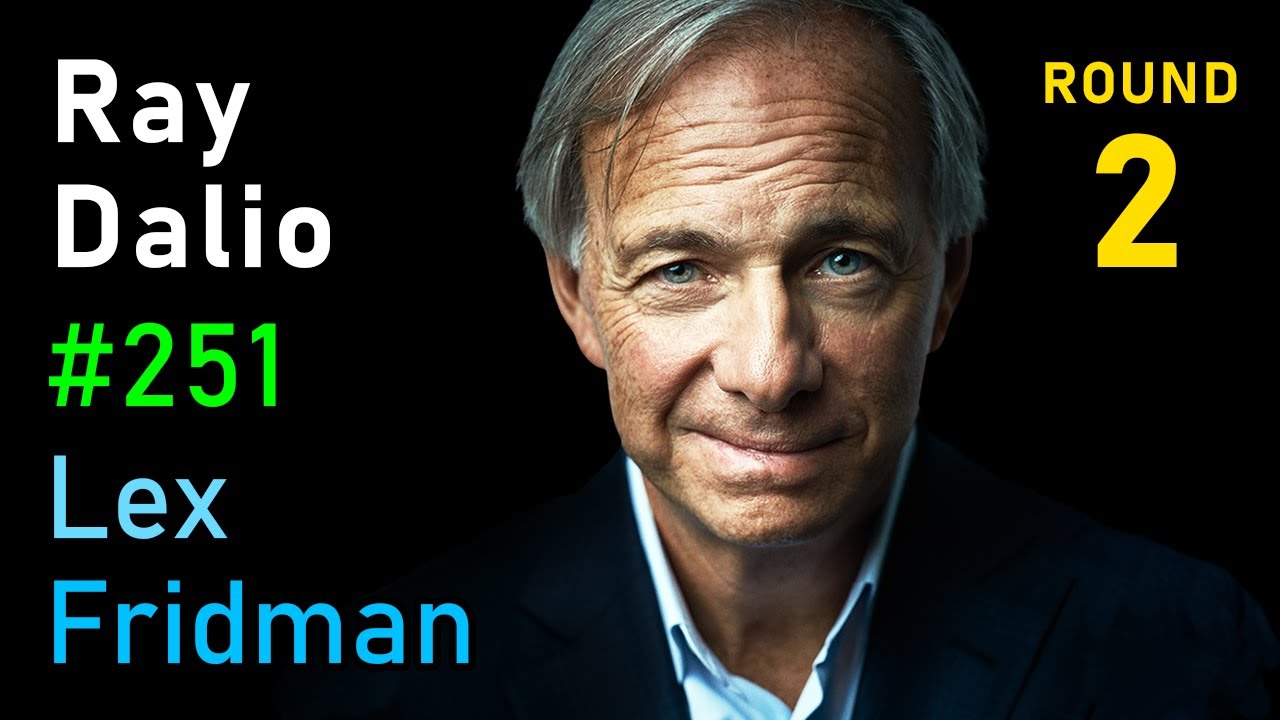 Ray Dalio: Money, Power, and the Collapse of Empires
More like this
1h 32m
Ray Dalio: Money, Power, and the Collapse of Empires
More like this
1h 32m
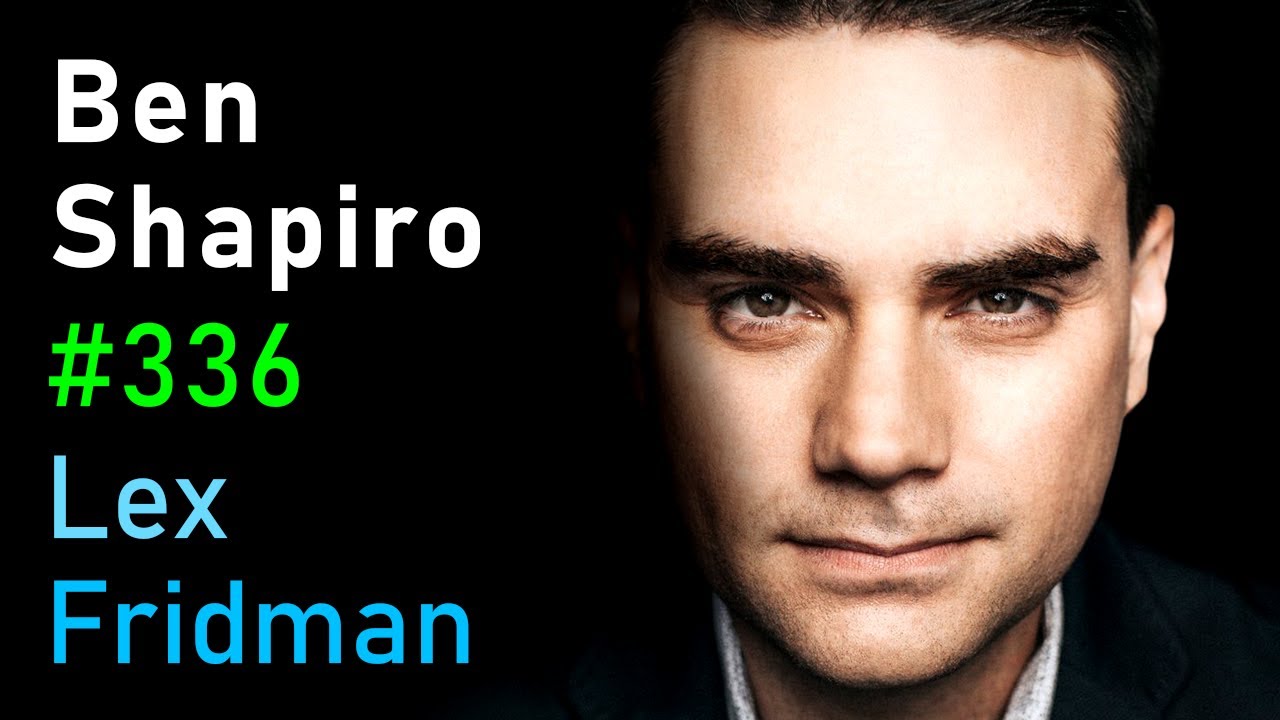 Ben Shapiro: Politics, Kanye, Trump, Biden, Hitler, Extremism, and War
Shares climate change
2h 31m
Ben Shapiro: Politics, Kanye, Trump, Biden, Hitler, Extremism, and War
Shares climate change
2h 31m
AI-generated summary · last refreshed 2026-06-10 22:10:31 · how we make these
Quotes are matched verbatim against the source transcript; references are checked to resolve to real URLs. Even so, AI can misread structure or attribute claims imperfectly. If you spot an error, please let us know.