TLexDR
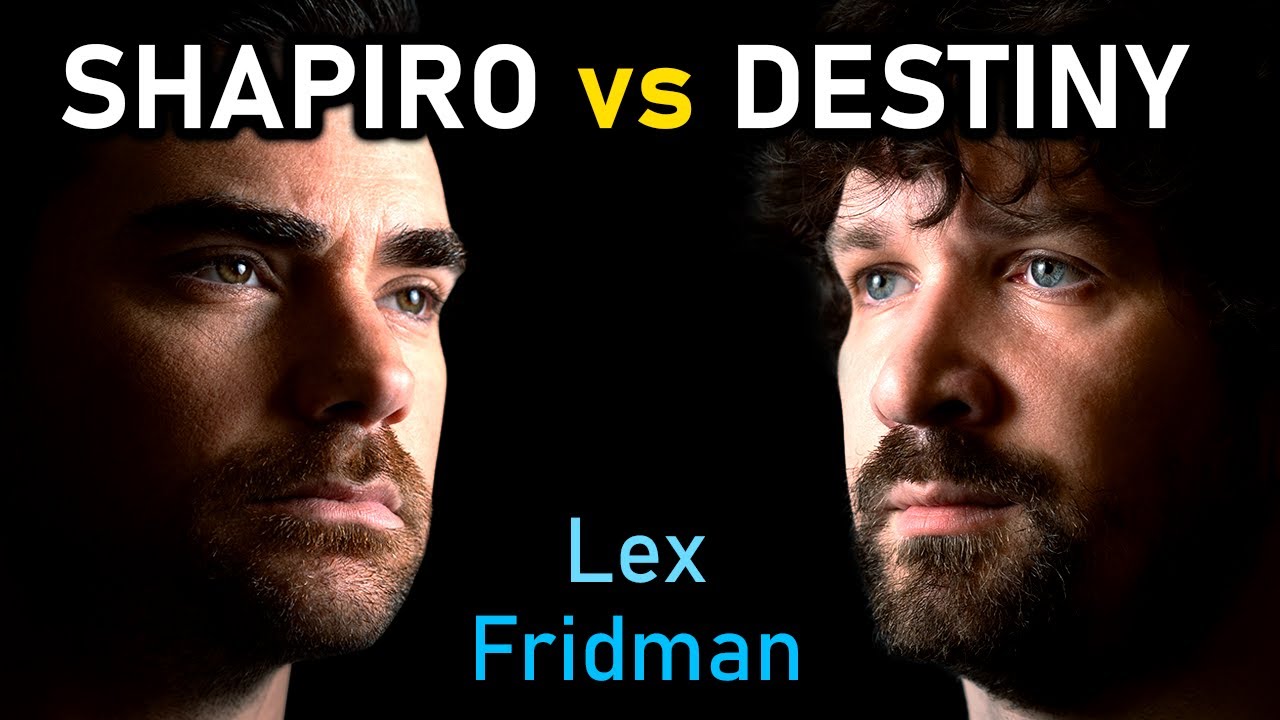
Ben Shapiro: Politics, Kanye, Trump, Biden, Hitler, Extremism, and War
Listen on YouTube Share on X Share on Bluesky Link copied!
Core Takeaways
Ben Shapiro argues that the best protection against evil is recognizing its potential within everyone. ▶ 2:00
Why it matters This perspective emphasizes personal accountability and vigilance against moral corruption.
Shapiro claims that banning individuals from social media is akin to 'unpersoning' them unless they break laws. ▶ 45:00
Why it matters This stance highlights concerns about free speech and the potential overreach of social media platforms.
He suggests that the West's pre-war policy towards Ukraine was flawed, provoking Russia by encouraging NATO membership without granting it. ▶ 1:15:00
Why it matters This critique suggests that Western policy missteps contributed to the Ukraine conflict's escalation.
Shapiro believes that respect, rather than love, should be the foundation for treating strangers. ▶ 2:00:00
Why it matters This view challenges conventional wisdom that love should be universal, proposing a more pragmatic approach.
He argues that human beings are poor at climate change mitigation but excel at adaptation. ▶ 2:30:00
Why it matters It suggests a shift in focus from prevention to adaptation strategies in climate policy.

Detailed Insights

Evil and Antisemitism
+
Shapiro argues evil exists in every human heart and must be recognized.
Antisemitism often involves attributing actions of individuals to entire groups, a form of bigotry.
Social Media and Free Speech
+
Banning individuals from social media is akin to 'unpersoning' them unless laws are broken.
Free speech should prevail to avoid thought control.
Foreign Policy and Ukraine
+
Western policy towards Ukraine was flawed, provoking Russia.
Shapiro suggests an off-ramp for Putin to involve maintaining control over Crimea and parts of Luhansk and Donetsk.
Climate Change Adaptation
+
Humans are poor at mitigation but excel at adaptation to climate change.
Nuclear energy is advocated as a proven source to combat climate change.

How the conversation moved

The host set the stage by addressing the nature of evil and how it manifests in societal issues like antisemitism, prompting Ben Shapiro to explore the internal human struggle with evil and the logical fallacies that fuel antisemitism. Shapiro emphasized that recognizing evil within oneself is crucial for preventing its takeover, and he criticized antisemitism as a form of bigotry that wrongly attributes individual actions to entire groups.

Shapiro's main argument revolved around the importance of free speech and the dangers of social media censorship. He argued that banning individuals from platforms without legal justification is akin to 'unpersoning' them, and he stressed that free speech should prevail to avoid thought control by a select few. Shapiro highlighted the role of social media in political polarization, where one side often seeks to silence the other.

Lex Fridman did not challenge Shapiro's views on free speech and social media directly, but the conversation did touch on the tension between maintaining open discourse and the potential harm of misinformation. Shapiro's stance was clear: free speech should not be curtailed unless it directly incites violence, emphasizing individual responsibility over collective blame for violent acts.

The conversation pivoted to foreign policy, particularly the Ukraine conflict, where Shapiro critiqued Western policy as provocative towards Russia. He suggested that a more strategic approach could involve offering Putin an off-ramp that maintains control over certain territories while ensuring Ukraine's defense. The discussion concluded with Shapiro's views on adaptation to climate change, advocating for nuclear energy as a viable solution.

Surprising moments

Ben Shapiro
Shapiro pushed back on Lex's suggestion that love for strangers is essential, arguing respect is more realistic.
Ben Shapiro
Shapiro argued that banning individuals from social media is akin to 'unpersoning' them, emphasizing the importance of free speech.
Ben Shapiro
Shapiro critiqued Western policy towards Ukraine, suggesting it provoked Russia by encouraging NATO membership without granting it.

Topics Covered

Evil and Antisemitism Social Media and Free Speech Foreign Policy and Ukraine Climate Change Adaptation

Memorable Quotes

"The best protection against evil is recognizing that it lies in every human heart and the possibility that it takes you over." — Ben Shapiro
"Banning people from the town square is unpersoning them. Unless you violated a criminal statute, you should not be unpersoned in American society as a general rule." — Ben Shapiro
"If you’re going to get involved in a war, you have to know what the endpoint looks like and you have to know what the American people really are willing to bear." — Ben Shapiro
"Human beings are crap at mitigation and excellent in adaptation." — Ben Shapiro
"Freedom of speech and thought matters, especially when it is speech and thought with which we disagree. The moment the majority decides to destroy people from engaging in thought it dislikes, thought crime becomes a reality." — Ben Shapiro

Still open

Unresolved by the end of the conversation

  • Lex asked Shapiro if humans tend towards evil without social institutions; Shapiro affirmed, but Lex suggested humans might tend towards good.

Jargon glossary

role theory
A concept suggesting humans find meaning through fulfilling various life roles.

References & Resources

The Kissinger Transcripts by Henry Kissinger book
The Rise and Fall of the Third Reich by William Shirer book

For the specialist

What a senior practitioner would find new

  • Shapiro's role theory suggests humans find meaning through fulfilling roles, a concept he believes is essential for societal stability.
  • He critiques the West's Ukraine policy for provoking Russia by encouraging NATO membership without granting it, suggesting this misstep fueled conflict escalation.
  • Shapiro argues that banning individuals from social media is akin to 'unpersoning', highlighting the potential overreach of digital platforms in controlling speech.

Ask this episode Premium

Ask any question about this episode — get an answer grounded in the transcript.

Available with Premium. $9.99/month, cancel anytime.

Upgrade to chat

Cite this episode

For papers, blog posts, anywhere.

Copied!

AI-generated summary · last refreshed 2026-05-28 14:13:19 · how we make these

Quotes are matched verbatim against the source transcript; references are checked to resolve to real URLs. Even so, AI can misread structure or attribute claims imperfectly. If you spot an error, please let us know.

Report an inaccuracy →