Douglas Murray: Putin, Zelenskyy, Trump, Israel, Netanyahu, Hamas & Gaza
Core Takeaways
Douglas Murray argues that Putin's ceasefire proposals are mere strategic pauses for further aggression.
Why it matters
This suggests that diplomatic engagements with Putin may not lead to lasting peace, impacting global security strategies.
Murray highlights the kidnapping of 20,000 Ukrainian children by Russian forces as a major humanitarian crisis.
▶ 19:20
Why it matters
The scale of the abductions underscores the severity of the conflict and the need for international intervention.
Fridman suggests radical ideas like Russia joining NATO as potential pathways to peace.
▶ 1:24:30
Why it matters
Such ideas could reshape geopolitical alliances and reduce tensions if pursued seriously.
Ask this episode Deep
A preview of how Deep chat answers, grounded in this episode with citations and timestamps:
Cite this episode
For papers, blog posts, anywhere.
Related episodes
Where to go next from this conversation.
More from Douglas Murray
More on these ideas
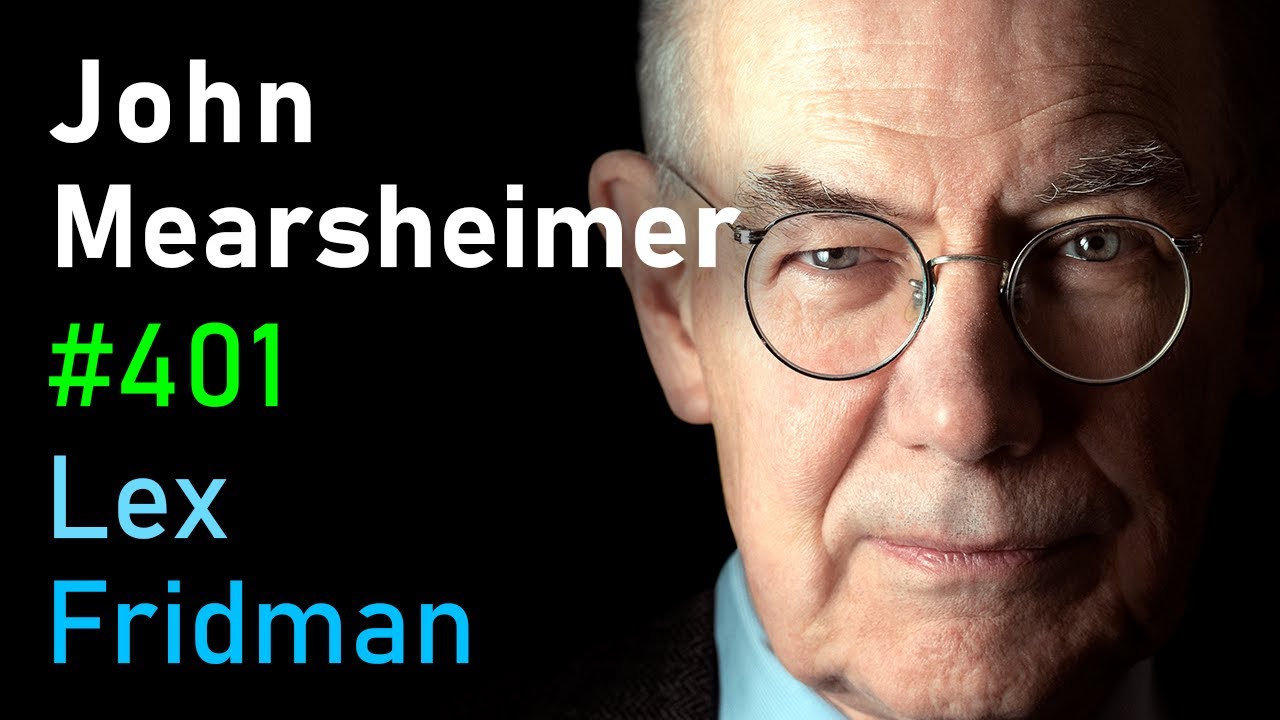 John Mearsheimer: Israel-Palestine, Russia-Ukraine, China, NATO, and WW3
Shares antisemitism
3h 26m
John Mearsheimer: Israel-Palestine, Russia-Ukraine, China, NATO, and WW3
Shares antisemitism
3h 26m
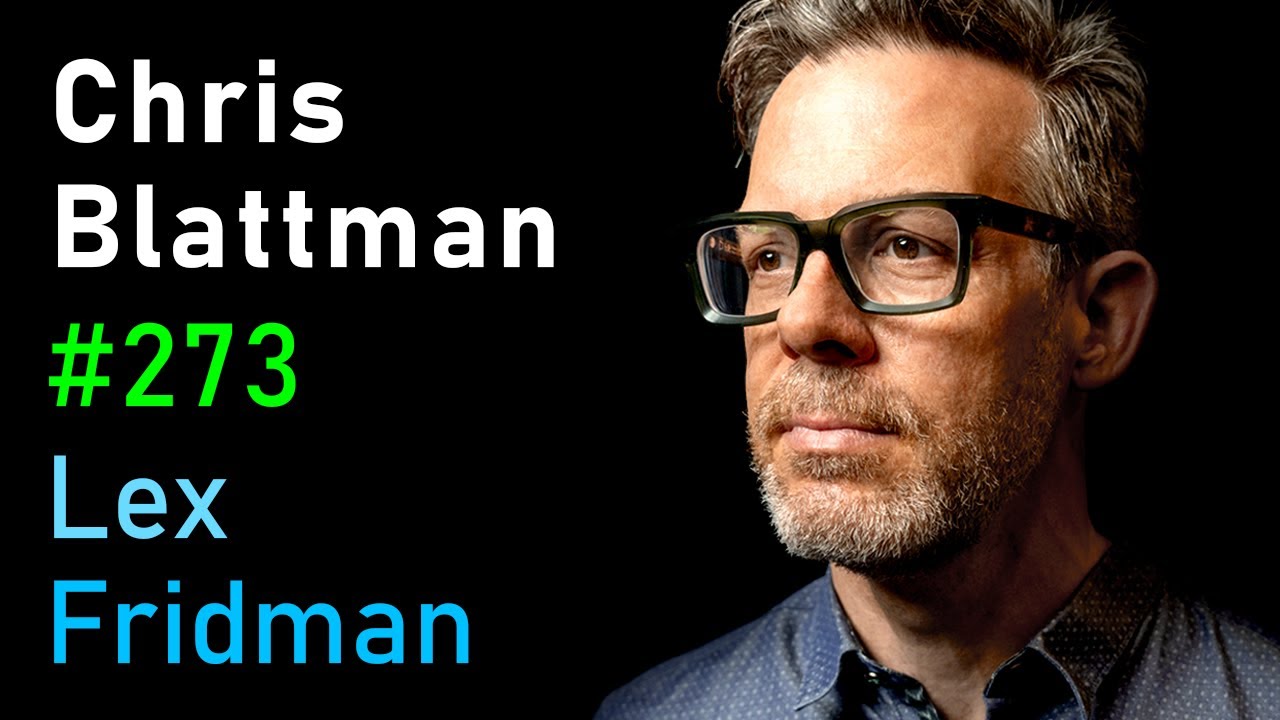 Chris Blattman: War and Violence
Shares journalism, war
2h 48m
Chris Blattman: War and Violence
Shares journalism, war
2h 48m
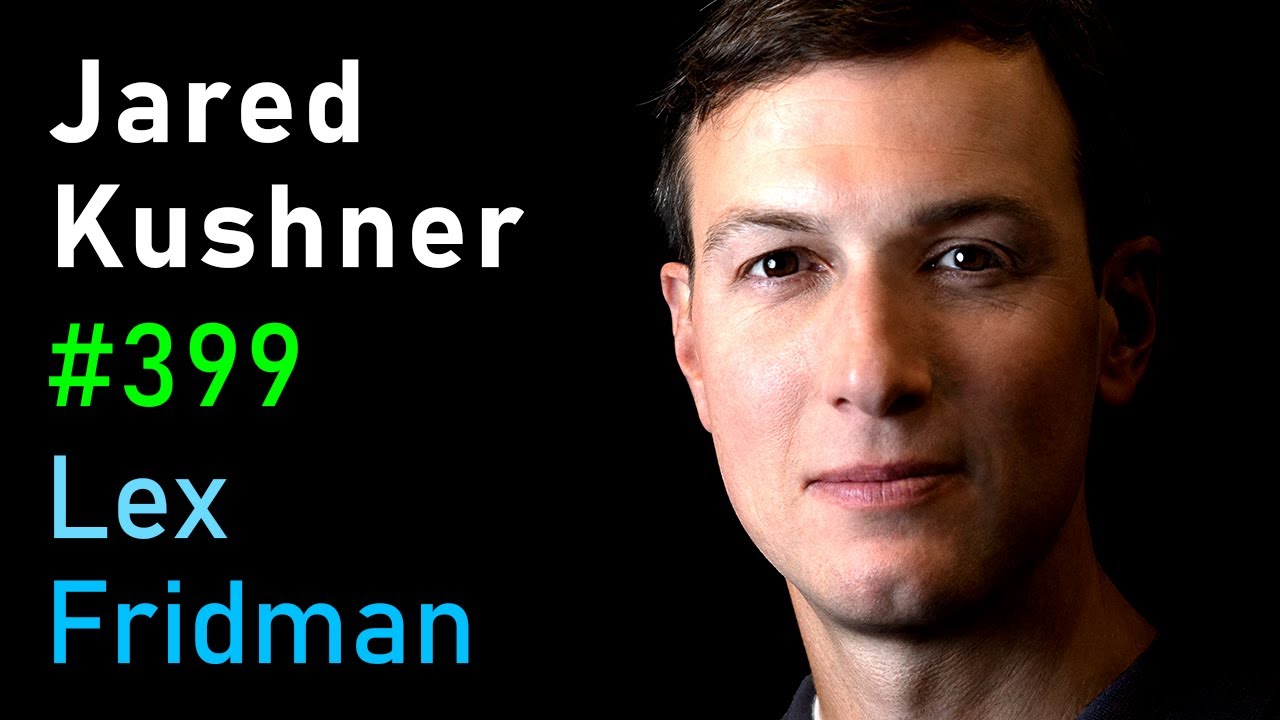 Jared Kushner: Israel, Palestine, Hamas, Gaza, Iran, and the Middle East
Shares Hamas, Israeli-Palestinian conflict
3h 48m
Jared Kushner: Israel, Palestine, Hamas, Gaza, Iran, and the Middle East
Shares Hamas, Israeli-Palestinian conflict
3h 48m
 Ben Shapiro: Politics, Kanye, Trump, Biden, Hitler, Extremism, and War
Shares Ukraine conflict, antisemitism
2h 31m
Ben Shapiro: Politics, Kanye, Trump, Biden, Hitler, Extremism, and War
Shares Ukraine conflict, antisemitism
2h 31m
AI-generated summary · last refreshed 2026-05-28 15:46:50 · how we make these
Quotes are matched verbatim against the source transcript; references are checked to resolve to real URLs. Even so, AI can misread structure or attribute claims imperfectly. If you spot an error, please let us know.