Oriol Vinyals: Deep Learning and Artificial General Intelligence
Core Takeaways
AI models currently lack the ability to learn from real-time interactions, remaining passive observers of data.
Why it matters
This limitation constrains AI's ability to dynamically adapt and improve during interactions, affecting its utility in real-time applications.
Meta learning allows neural networks to adapt to new tasks through prompts, reducing the need for retraining.
▶ 15:00
Why it matters
This capability accelerates AI's adaptability and efficiency, potentially reducing computational costs and time.
The Gato model processes diverse data types and aims to be a general agent across multiple domains.
▶ 50:00
Why it matters
Gato's versatility could lead to breakthroughs in creating more general-purpose AI systems, impacting various industries.
Oriol Vinyals argues that current AI models are far from achieving sentience.
▶ 1:10:00
Why it matters
This challenges the hype around AI sentience, emphasizing the gap between current capabilities and true AGI.
The modularity in models like Flamingo integrates vision and language efficiently by reusing existing weights.
▶ 1:30:00
Why it matters
Modularity enhances model efficiency and scalability, crucial for handling complex, multi-modal tasks without starting from scratch.
Ask this episode Deep
A preview of how Deep chat answers, grounded in this episode with citations and timestamps:
Cite this episode
For papers, blog posts, anywhere.
Related episodes
Where to go next from this conversation.
More on these ideas
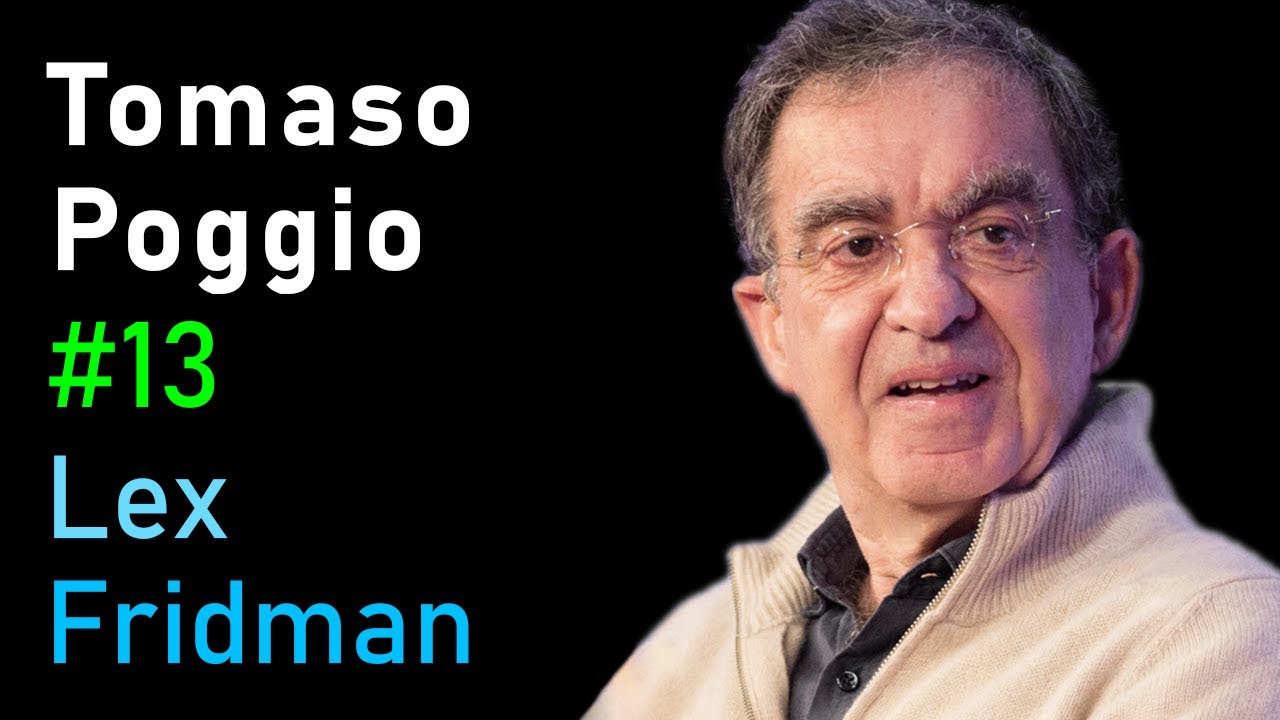 Tomaso Poggio: Brains, Minds, and Machines
Shares modularity
1h 20m
Tomaso Poggio: Brains, Minds, and Machines
Shares modularity
1h 20m
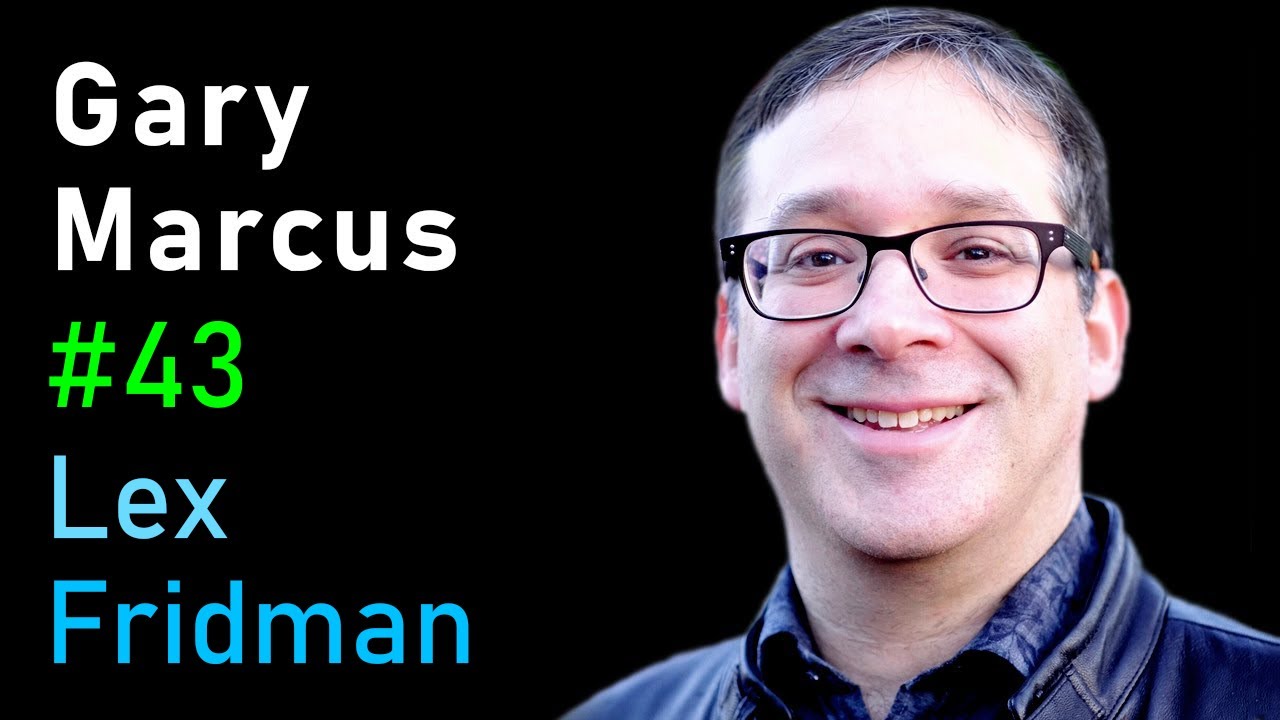 Gary Marcus: Toward a Hybrid of Deep Learning and Symbolic AI
More like this
1h 25m
Gary Marcus: Toward a Hybrid of Deep Learning and Symbolic AI
More like this
1h 25m
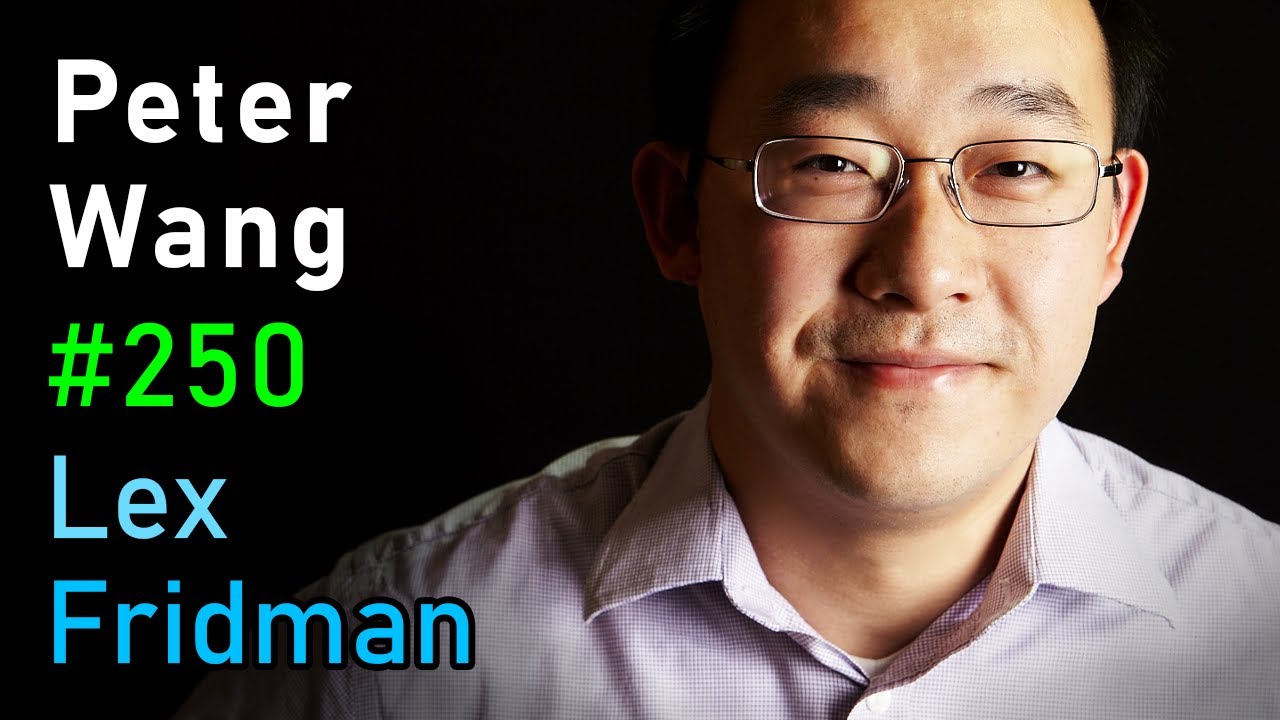 Peter Wang: Python and the Source Code of Humans, Computers, and Reality
More like this
2h 46m
Peter Wang: Python and the Source Code of Humans, Computers, and Reality
More like this
2h 46m
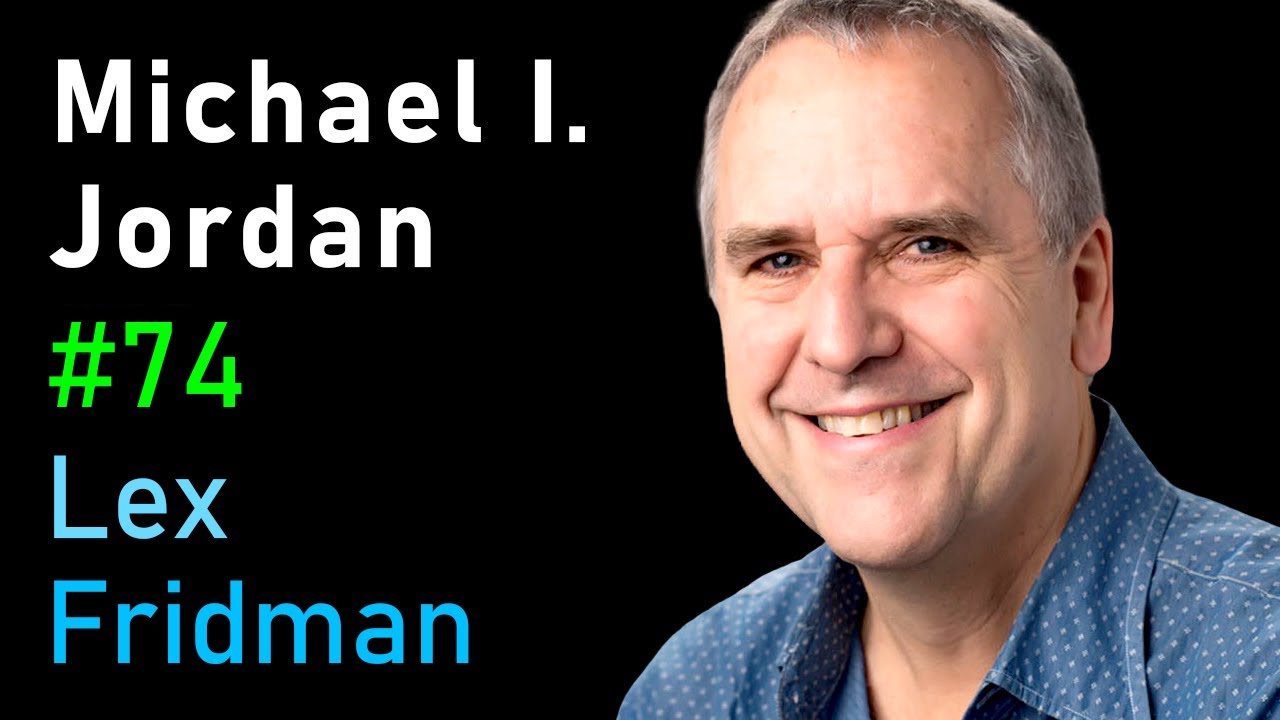 Michael I. Jordan: Machine Learning, Recommender Systems, and Future of AI
More like this
1h 45m
Michael I. Jordan: Machine Learning, Recommender Systems, and Future of AI
More like this
1h 45m
AI-generated summary · last refreshed 2026-06-06 19:35:43 · how we make these
Quotes are matched verbatim against the source transcript; references are checked to resolve to real URLs. Even so, AI can misread structure or attribute claims imperfectly. If you spot an error, please let us know.