Martin Rees: Black Holes, Alien Life, Dark Matter, and the Big Bang
Core Takeaways
The universe may be 100 times larger than the observable boundary, suggesting vast unknowns beyond current detection limits.
Why it matters
This implies that our understanding of the universe is still in its infancy, with potentially groundbreaking discoveries awaiting.
Dark matter is believed to be five times more prevalent than visible matter, inferred from gravitational effects on galaxies.
▶ 11:00
Why it matters
Understanding dark matter is crucial for comprehending the universe's structure and evolution, impacting cosmological theories.
Robots are increasingly seen as more efficient and cost-effective than humans for space exploration, challenging traditional views on human spaceflight.
▶ 17:30
Why it matters
This shift could redefine the future of space exploration, focusing on robotic missions over costly human endeavors.
The concept of secular intelligent design suggests humans may evolve into electronic forms, adapting to new environments like Mars.
▶ 1:10:00
Why it matters
This could lead to a new era of human evolution, with profound ethical and societal implications.
AI could potentially solve complex physics problems, such as string theory, that are beyond human cognitive capabilities.
▶ 3:00
Why it matters
AI's ability to tackle complex problems could accelerate scientific breakthroughs, reshaping fields like theoretical physics.
Ask this episode Deep
A preview of how Deep chat answers, grounded in this episode with citations and timestamps:
Cite this episode
For papers, blog posts, anywhere.
Related episodes
Where to go next from this conversation.
More on these ideas
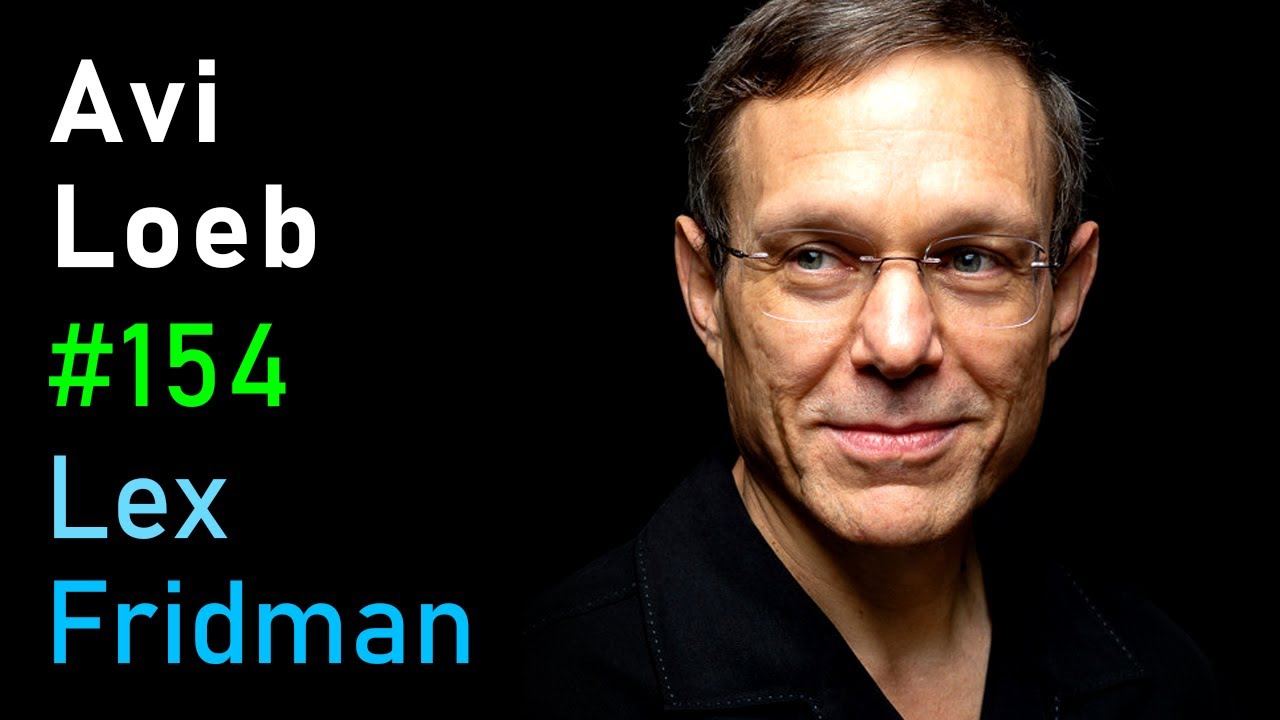 Avi Loeb: Aliens, Black Holes, and the Mystery of the Oumuamua
More like this
2h 43m
Avi Loeb: Aliens, Black Holes, and the Mystery of the Oumuamua
More like this
2h 43m
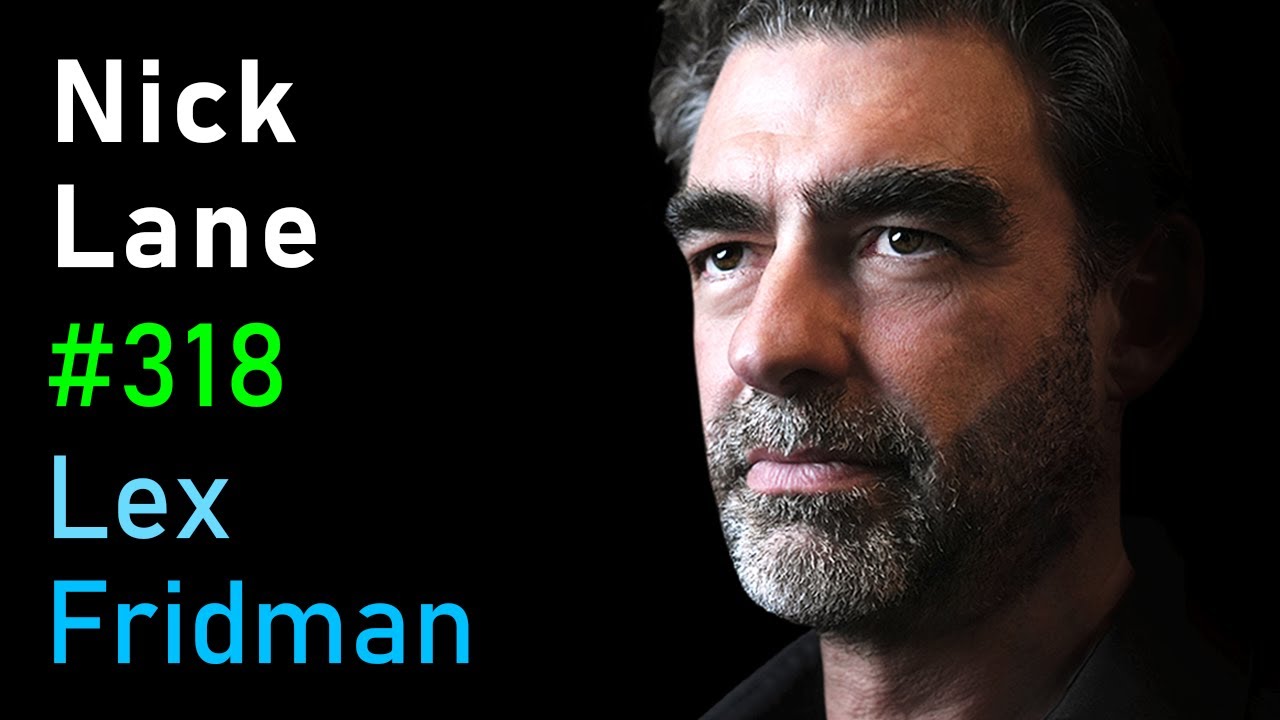 Nick Lane: Origin of Life, Evolution, Aliens, Biology, and Consciousness
More like this
3h 43m
Nick Lane: Origin of Life, Evolution, Aliens, Biology, and Consciousness
More like this
3h 43m
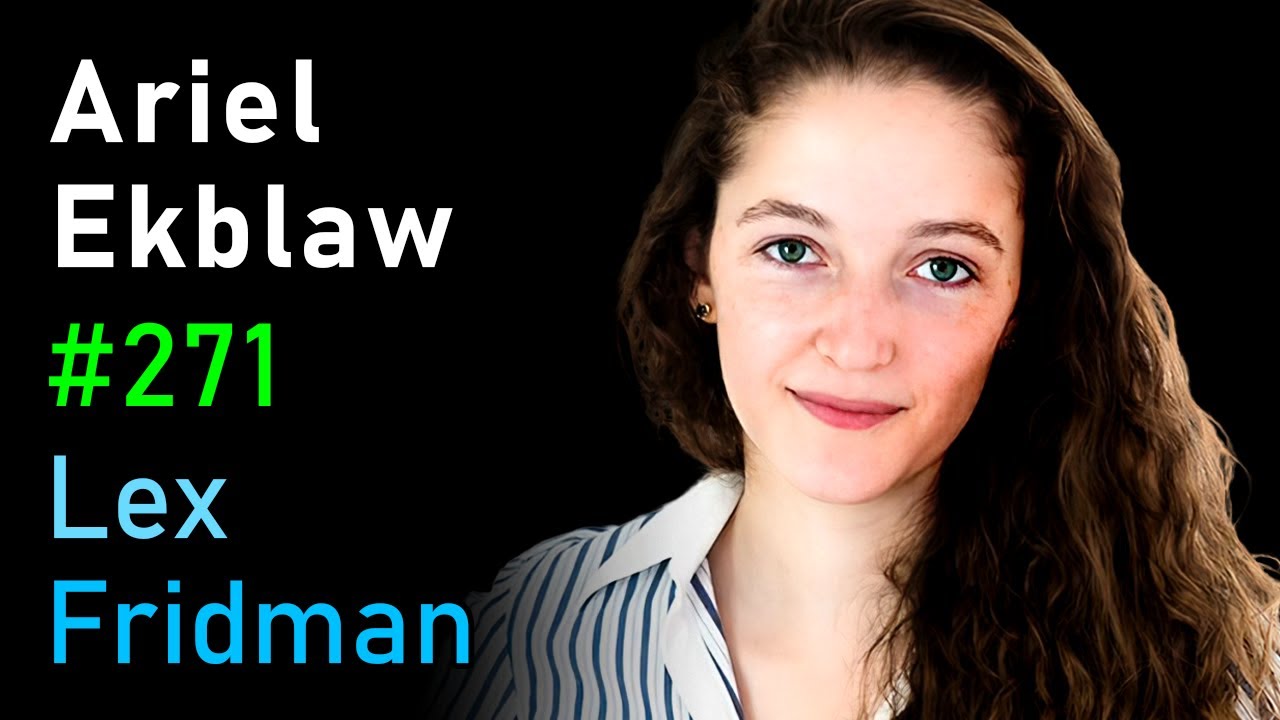 Ariel Ekblaw: Space Colonization and Self-Assembling Space Megastructures
Shares space exploration
1h 46m
Ariel Ekblaw: Space Colonization and Self-Assembling Space Megastructures
Shares space exploration
1h 46m
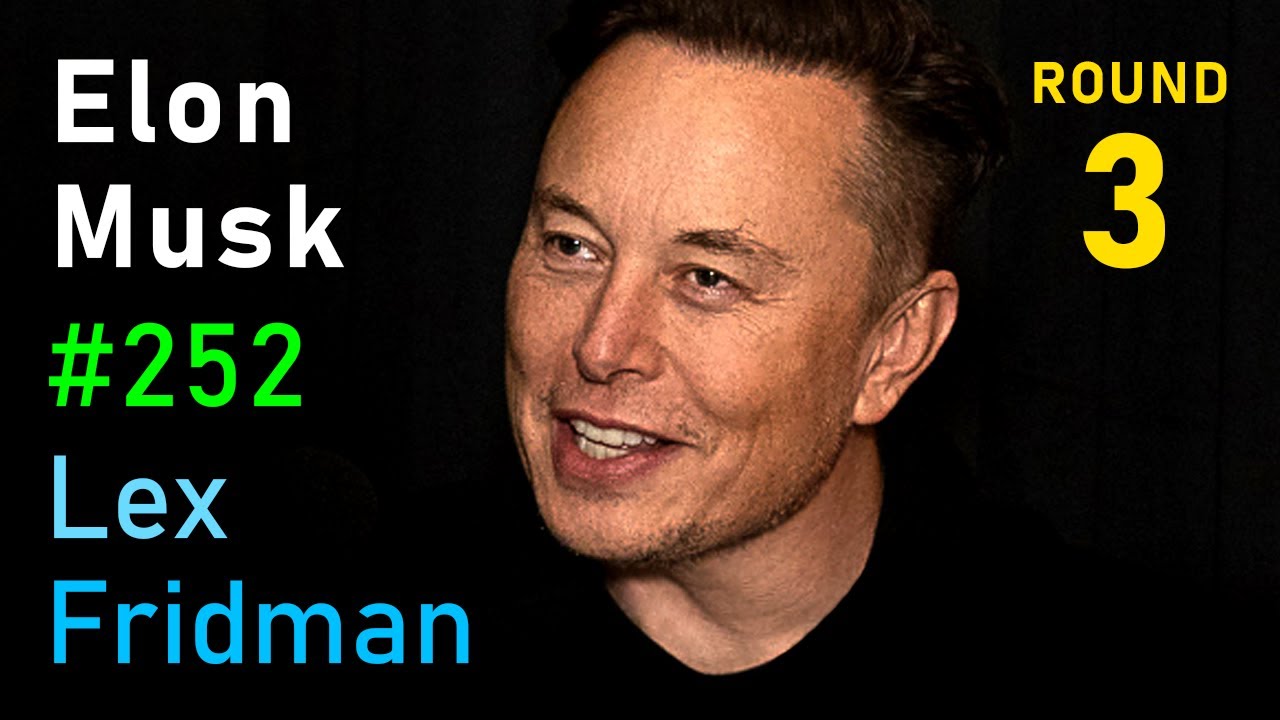 Elon Musk: SpaceX, Mars, Tesla Autopilot, Self-Driving, Robotics, and AI
Shares space exploration
2h 31m
Elon Musk: SpaceX, Mars, Tesla Autopilot, Self-Driving, Robotics, and AI
Shares space exploration
2h 31m
AI-generated summary · last refreshed 2026-06-06 19:36:50 · how we make these
Quotes are matched verbatim against the source transcript; references are checked to resolve to real URLs. Even so, AI can misread structure or attribute claims imperfectly. If you spot an error, please let us know.