All topics / robotics
Topic
You are reading the free Skim layer. Read unlocks the synthesis and sources.
Robotics
14
episodes
14
thinkers
24h
of conversation
40
books & papers
30
terms defined
The neighbourhood: robotics and the ideas it travels with. Drag to roam, click a star for the episode, click a neighbour to travel.
Drag to roam · scroll to zoom · click a neighbour to travel · click a star for the episode
From foundational to frontier
Climb the spectrum. The most accessible conversations come first.
Start here
ACCESSIBLECOREFRONTIER





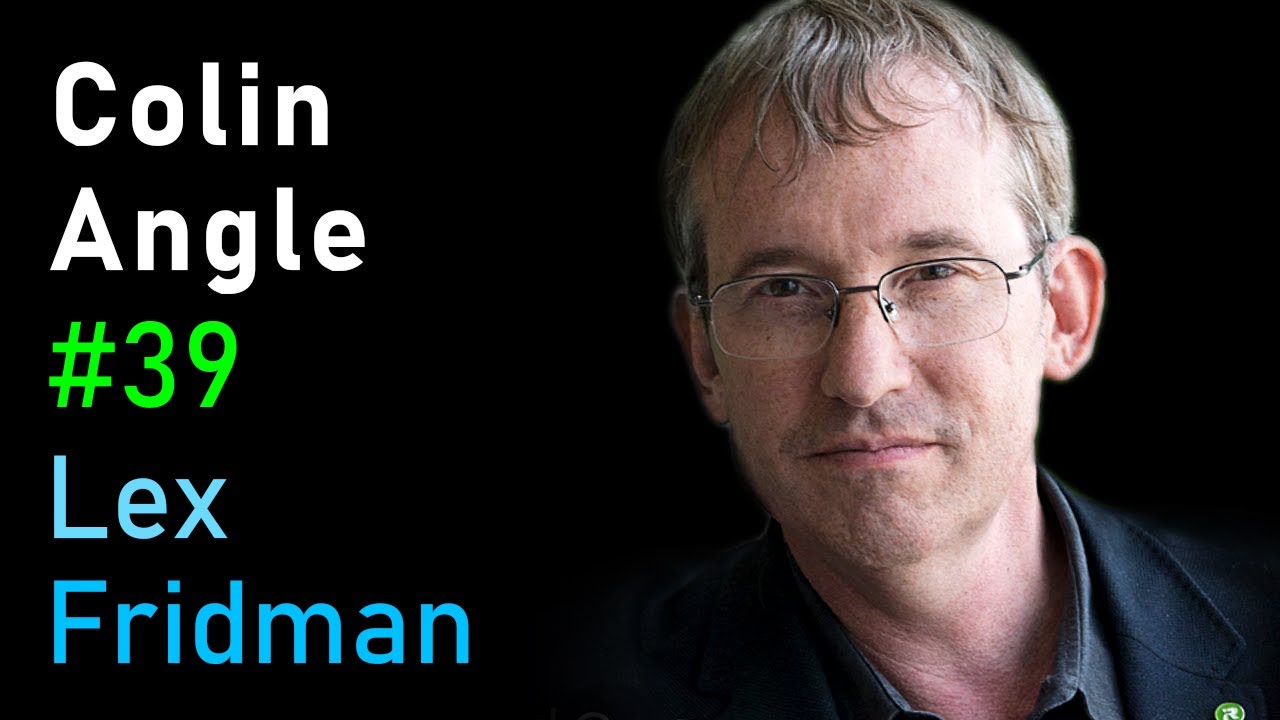
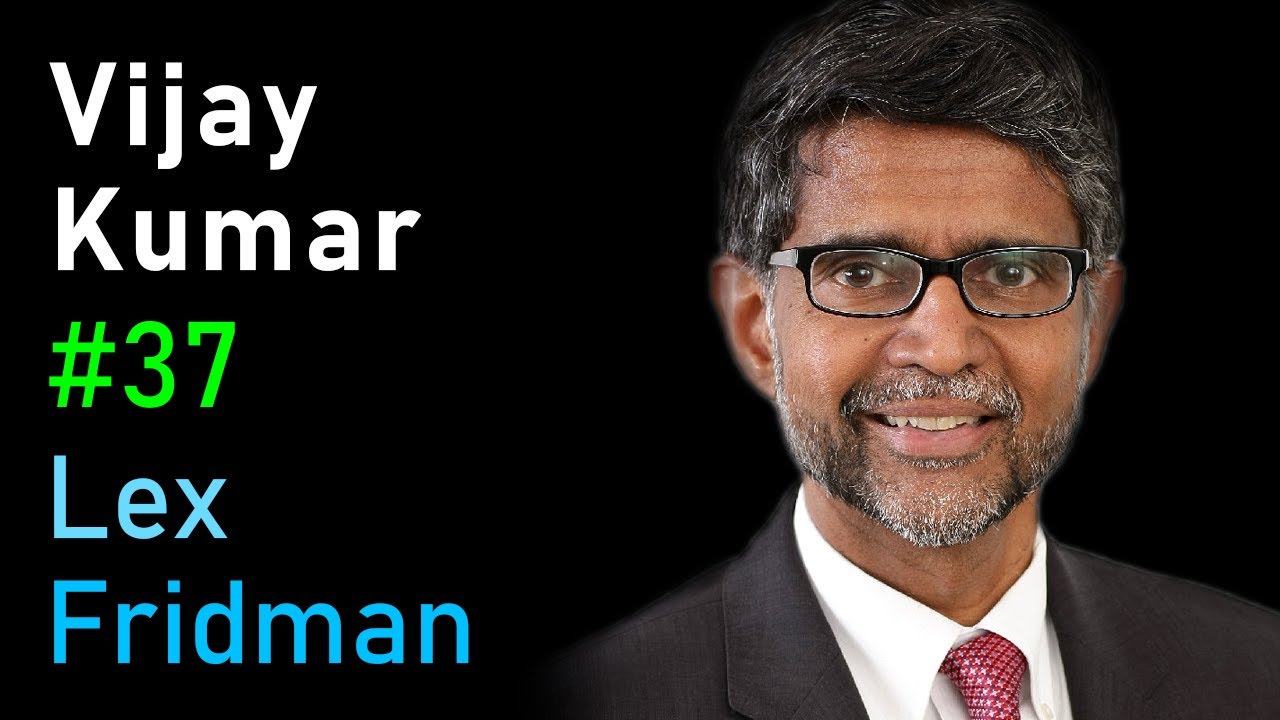
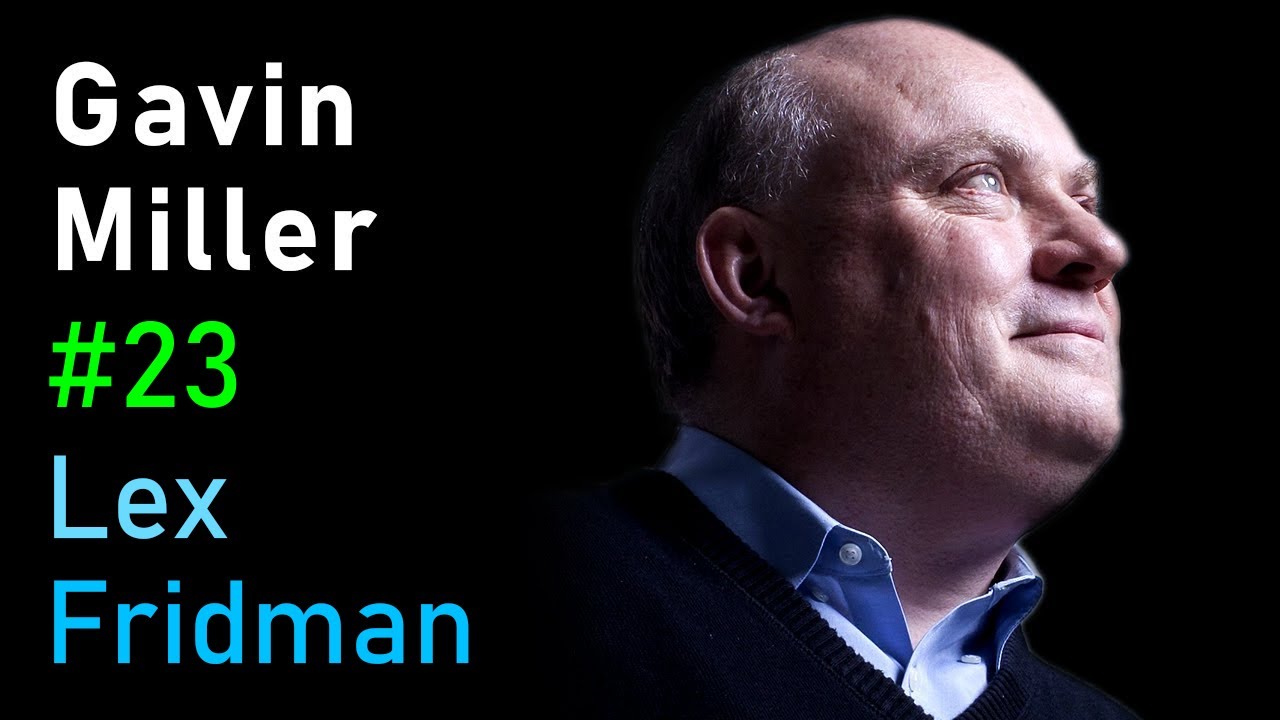
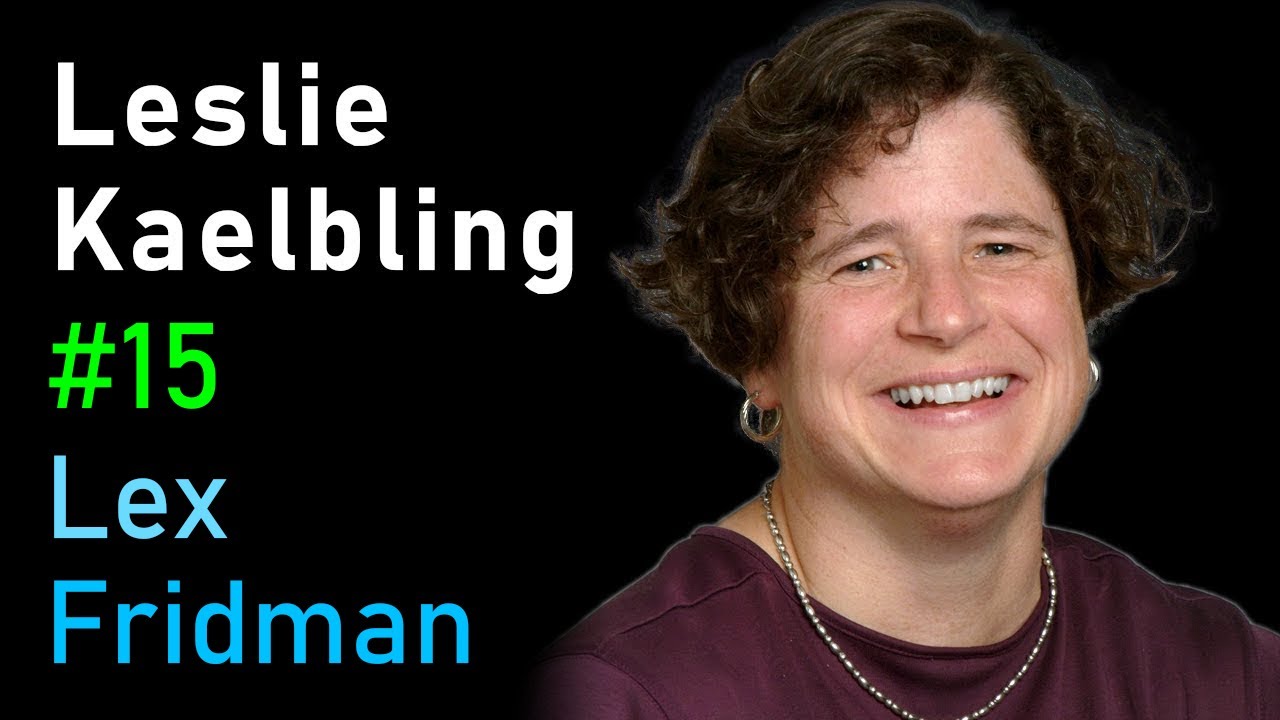

The lexicon
Every term the guests lean on, in plain language. Read one in full, or filter to find it.
+18 more terms unlock the full lexicon with Read.
What the corpus says
The throughline across every conversation that touches this idea.
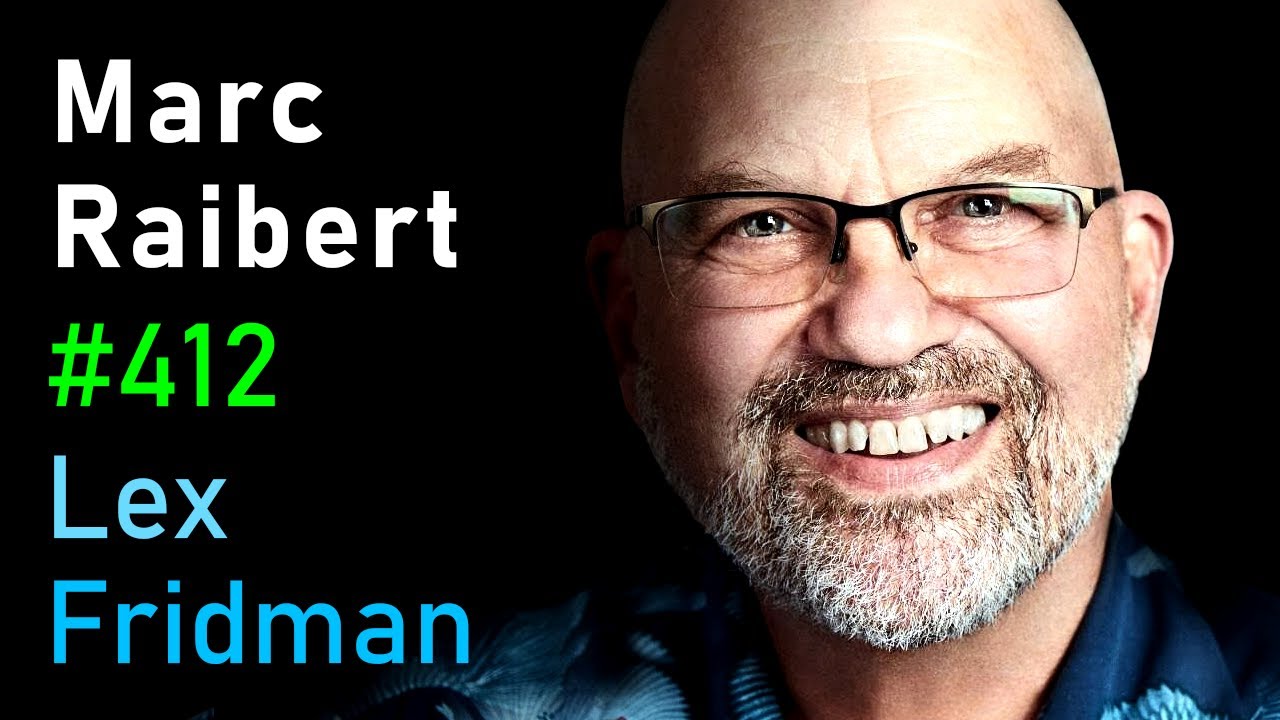
Marc Raibert's approach to robotics emphasizes aggressive movement, contrasting with the cautiousness of many existing robots.
Marc Raibert · Marc Raibert: Boston Dynamics and the Future of Robotics
Boston Dynamics transitioned from hydraulic to electric power, leading to the development of Spot, designed to be less intimidating.
Marc Raibert · Marc Raibert: Boston Dynamics and the Future of Robotics
Raibert believes humanoid robots, despite early skepticism, have significant public engagement value.
Marc Raibert · Marc Raibert: Boston Dynamics and the Future of Robotics
Technical fearlessness and incremental progress are key to Boston Dynamics' innovation strategy.
Marc Raibert · Marc Raibert: Boston Dynamics and the Future of Robotics
Raibert argues that the fear of superintelligent AI is overstated, focusing instead on balancing opportunities and risks.
Marc Raibert · Marc Raibert: Boston Dynamics and the Future of Robotics
Simone Giertz built her first hardware project, an iPhone case with retractable guitar strings, using capacitive touch and Bluetooth.
Giertz's 'Queen of Sh*tty Robots' persona emerged from her Reddit posts, embracing failure as a creative force in engineering.
Her brain tumor diagnosis post-TED Talk revealed a golf ball-sized tumor, which had been growing for 10-15 years.
Simone's product business, including the Everyday Calendar, is self-funded and aims to diversify income away from YouTube.
Simone critiques societal norms, noting the lack of female role models and the potential harm of powerful technology.
Kate Darling argues that robots should not be compared to humans but rather to animals, as this reflects historical uses and societal adaptations.
Negative perceptions of robots like Marty often stem from misunderstandings about their functions, such as being seen as surveillance tools.
Voices on robotics
12 standout quotes from across the corpus.
Go read
40 books and papers cited across these episodes.
For the specialist
What experts find new
30 expert-level takeaways for a specialist reader.
At the frontier
Still unresolved
20 open questions flagged across these conversations.
The thinkers
Who takes this idea on, by how often they return to it.
BS
1
CA
1
GM
1
KD
1
LK
1
MR
1
MR
1
 1
SL
1
SK
1
SG
1
VK
1
1
SL
1
SK
1
SG
1
VK
1
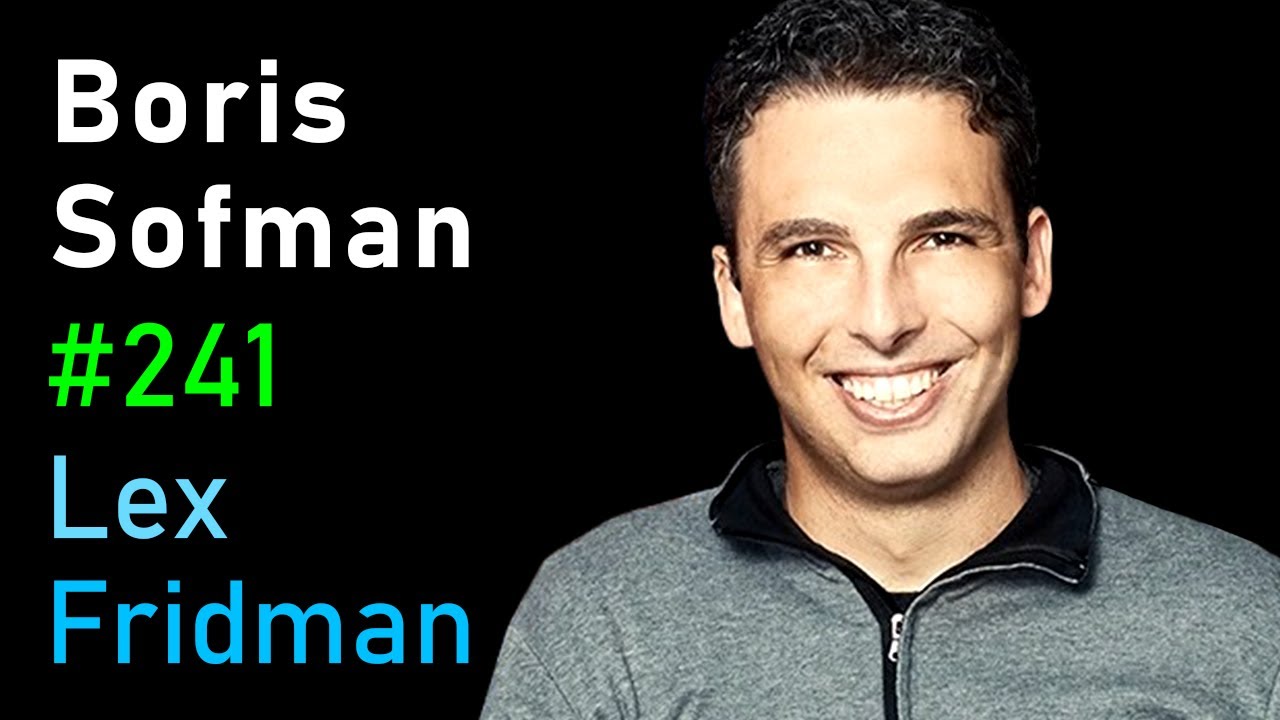
Boris Sofman
Robotics Engineer
Colin Angle
Business Executive
Gavin Miller
Kate Darling
Leslie Kaelbling
Computer Scientist
Marc Raibert
Engineer
Martin Rees
Pieter Abbeel
Professor
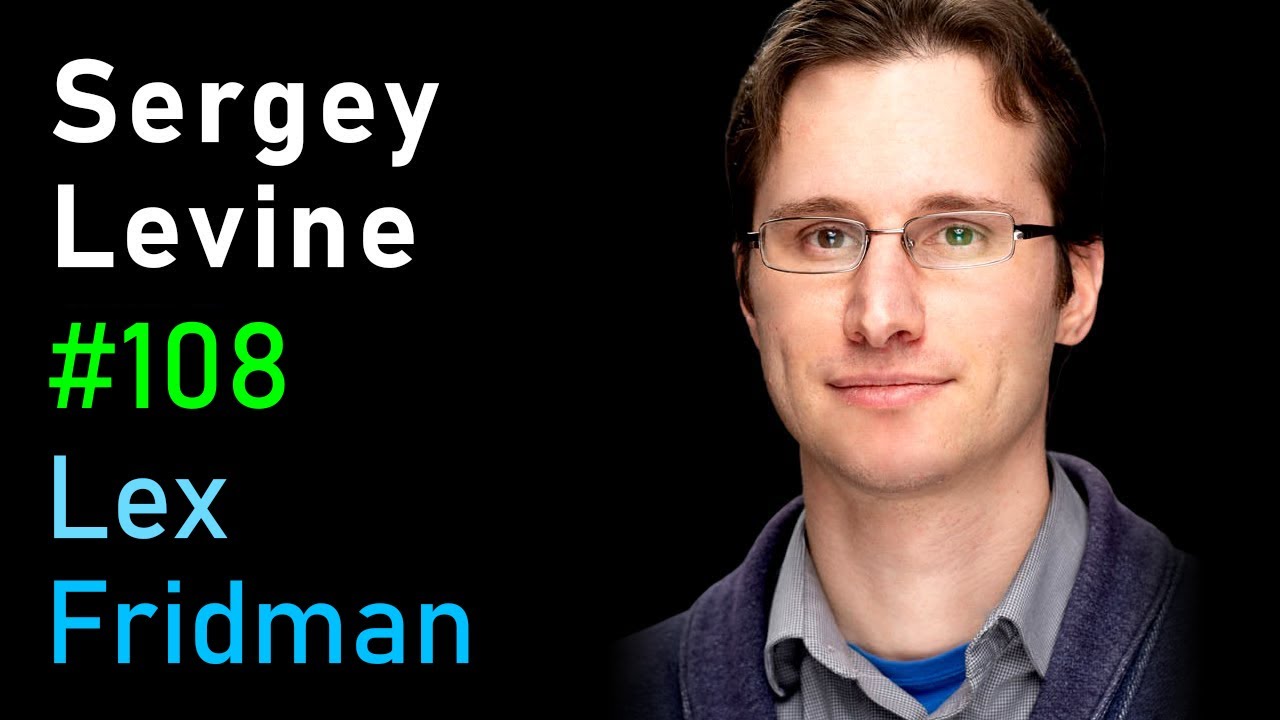
Sergey Levine
Computer Scientist
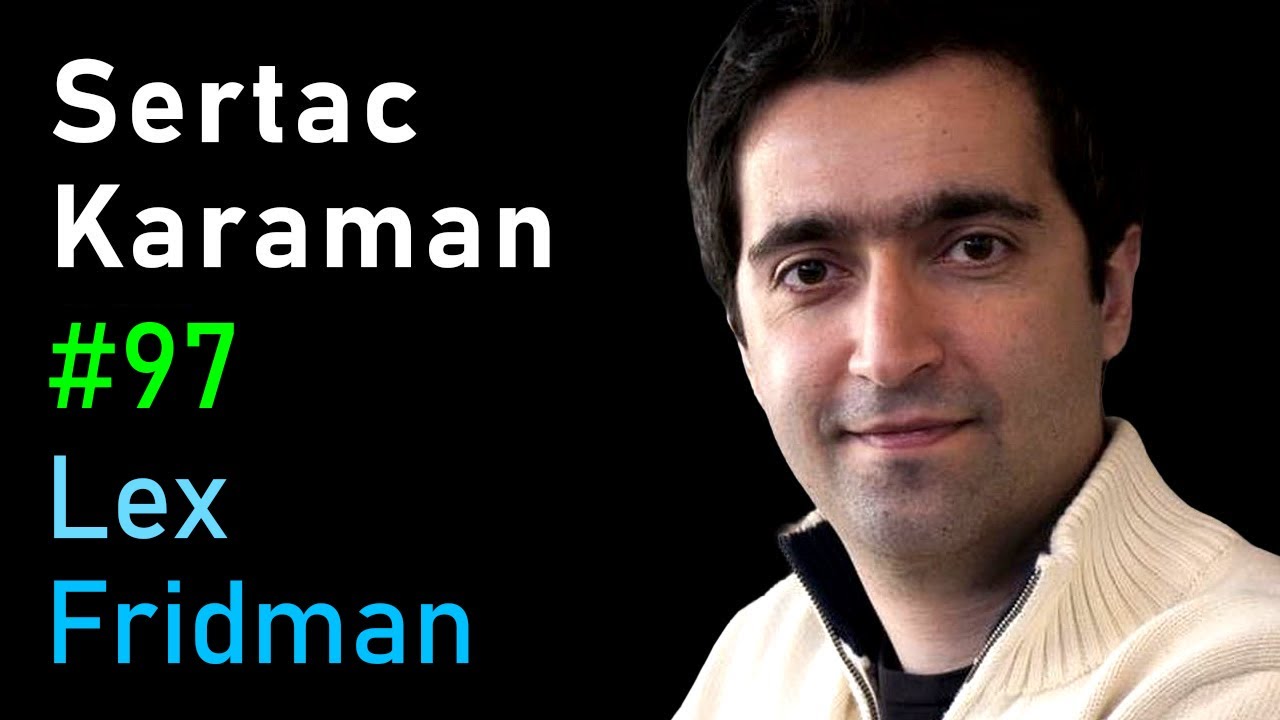
Sertac Karaman
Simone Giertz
Youtuber
Vijay Kumar