Douglas Murray: Racism, Marxism, and the War on the West
Core Takeaways
Douglas Murray argues that Western civilization's self-criticism is a unique strength, allowing moral progress like the civil rights movement.
▶ 5:00
Why it matters
This self-criticism has driven significant social reforms, distinguishing the West from other cultures.
Murray suggests that critical race theory's activist roots signal a decline in academic rigor.
▶ 1:50:00
Why it matters
This trend could undermine the objectivity and credibility of academic disciplines.
He argues that gratitude, not resentment, is key to societal and individual well-being.
▶ 2:30:00
Why it matters
Gratitude can foster positive societal change, countering the divisive effects of resentment.
Ask this episode Deep
A preview of how Deep chat answers, grounded in this episode with citations and timestamps:
Cite this episode
For papers, blog posts, anywhere.
Related episodes
Where to go next from this conversation.
More from Douglas Murray

More on these ideas
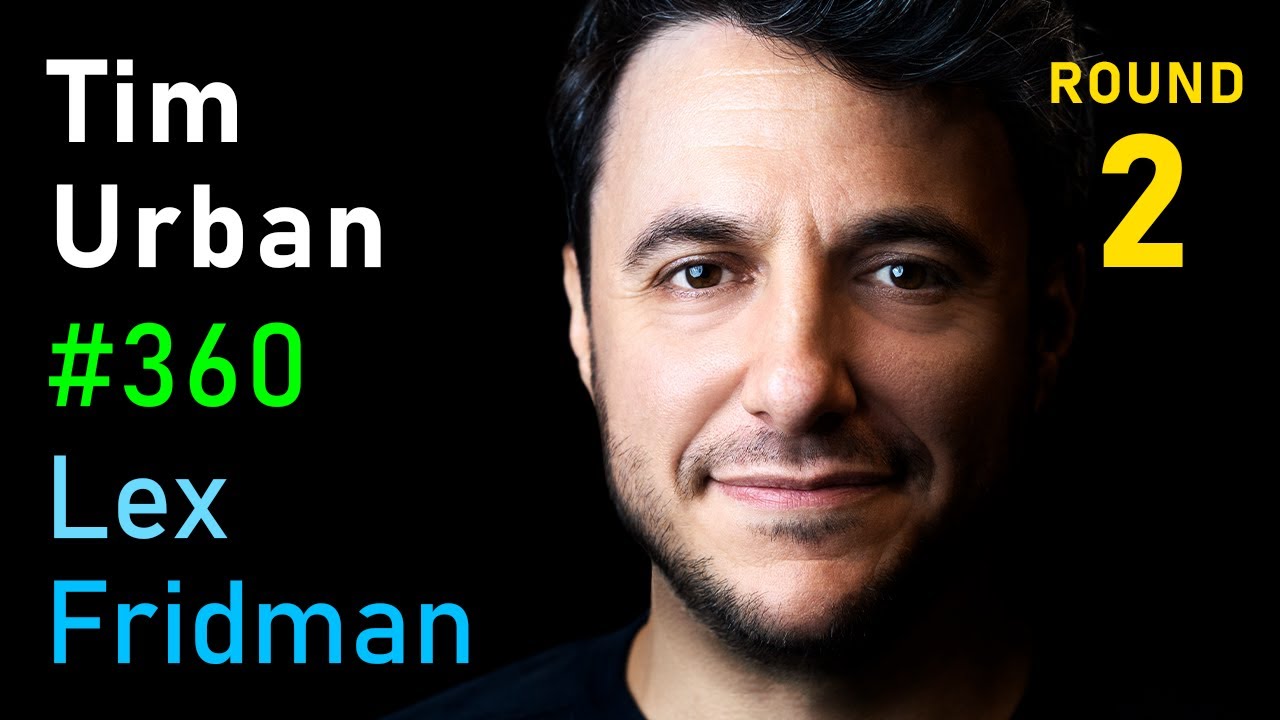 Tim Urban: Tribalism, Marxism, Liberalism, Social Justice, and Politics
Shares Marxism
3h 7m
Tim Urban: Tribalism, Marxism, Liberalism, Social Justice, and Politics
Shares Marxism
3h 7m
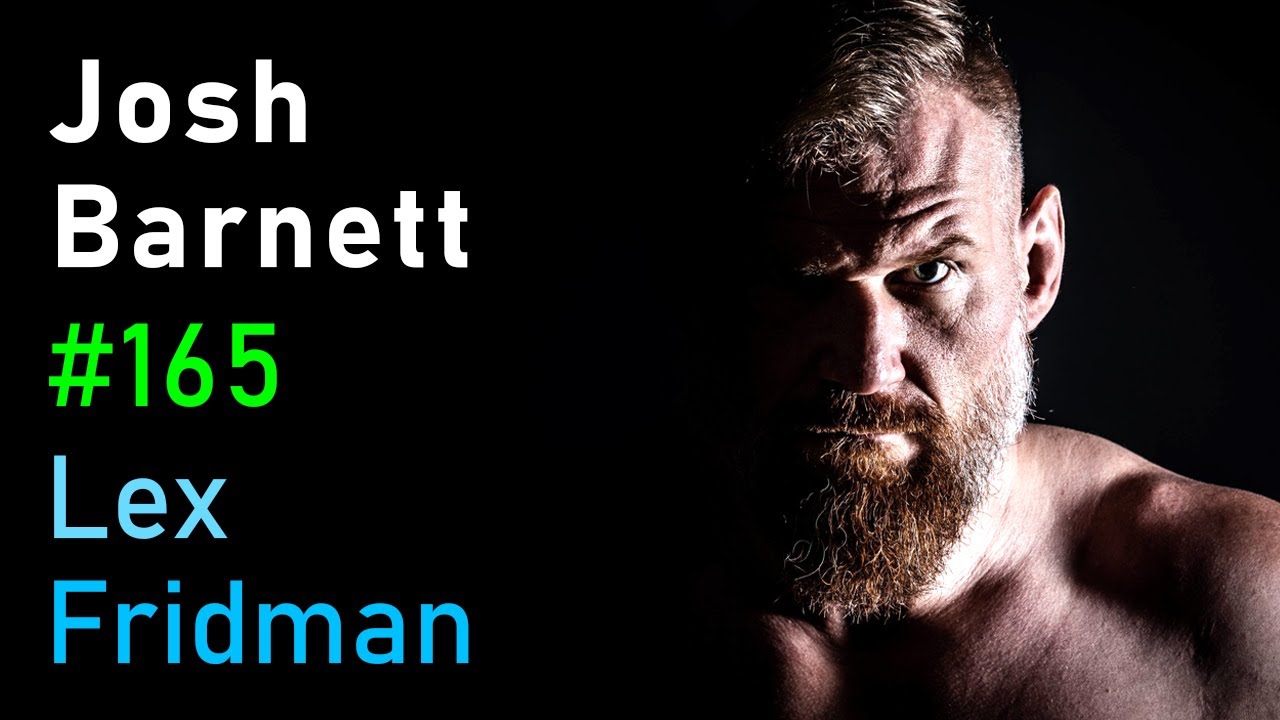 Josh Barnett: Philosophy of Violence, Power, and the Martial Arts
Shares Marxism
2h 11m
Josh Barnett: Philosophy of Violence, Power, and the Martial Arts
Shares Marxism
2h 11m
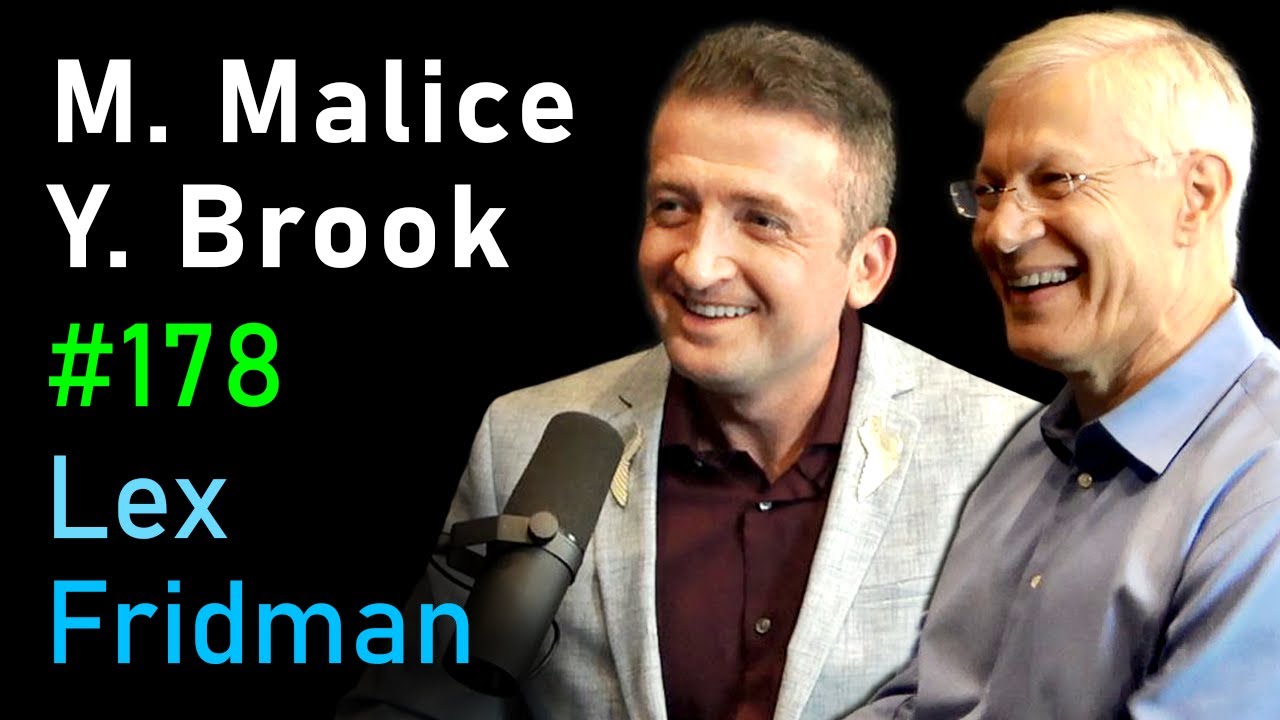 Michael Malice and Yaron Brook: Ayn Rand, Human Nature, and Anarchy
More like this
4h 25m
Michael Malice and Yaron Brook: Ayn Rand, Human Nature, and Anarchy
More like this
4h 25m
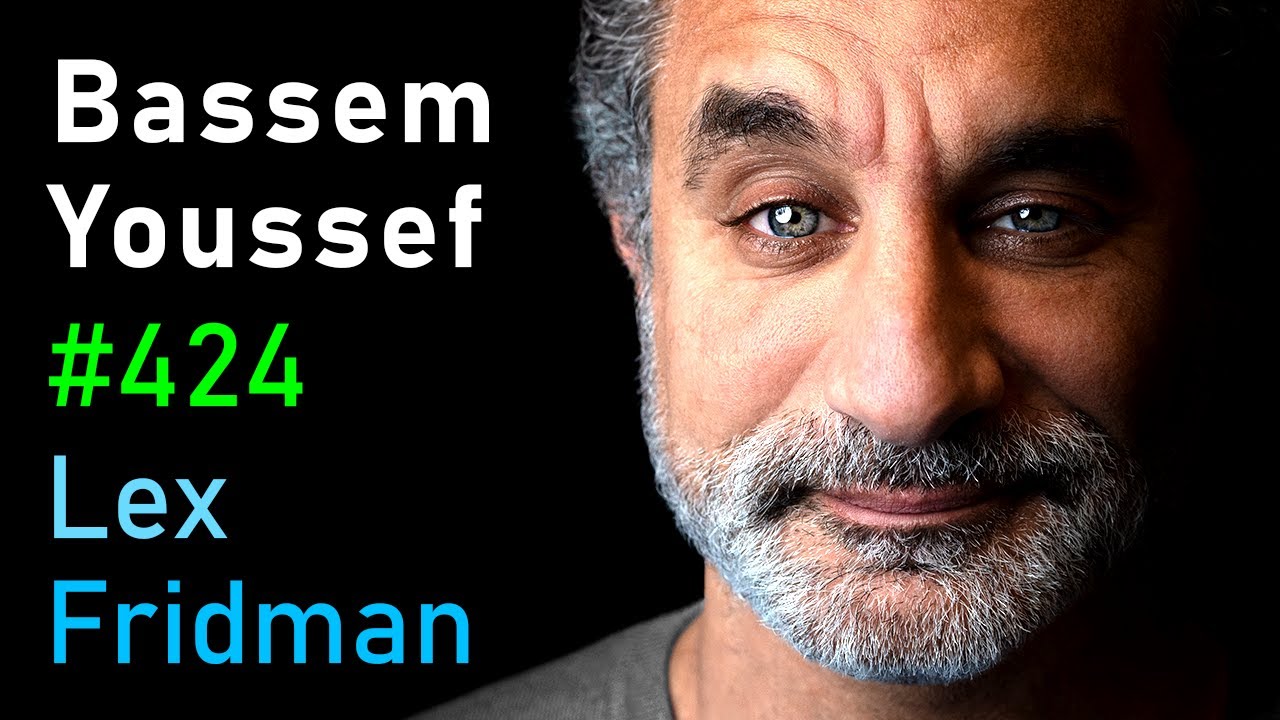 Bassem Youssef: Israel-Palestine, Gaza, Hamas, Middle East, Satire & Fame
More like this
2h 43m
Bassem Youssef: Israel-Palestine, Gaza, Hamas, Middle East, Satire & Fame
More like this
2h 43m
AI-generated summary · last refreshed 2026-06-06 19:49:55 · how we make these
Quotes are matched verbatim against the source transcript; references are checked to resolve to real URLs. Even so, AI can misread structure or attribute claims imperfectly. If you spot an error, please let us know.