Brian Keating: Cosmology, Astrophysics, Aliens & Losing the Nobel Prize
Core Takeaways
The telescope's invention by Hans Lippershey and enhancement by Galileo revolutionized our understanding of the universe by allowing us to see back in time.
▶ 1:00
Why it matters
This historical leap underscores the telescope's role as a fundamental tool in astronomical discovery and time exploration.
The multiverse theory, stemming from inflationary cosmology, suggests multiple universes with varying success, challenging the boundaries of scientific predictability.
▶ 25:00
Why it matters
This theory challenges traditional scientific paradigms by suggesting that some universes may be beyond empirical validation, questioning the scope of science.
Brian Keating's experience with the BICEP experiments highlights the competitive nature of academia and the emotional toll of scientific pursuit.
▶ 1:10:00
Why it matters
Keating's journey illustrates the intense personal stakes and pressures within the scientific community, affecting mental health and career trajectories.
The Nobel Prize's limitations, including its restriction to three recipients, often overlook significant contributors, reflecting the complexities of scientific recognition.
▶ 1:45:00
Why it matters
The Nobel Prize's constraints highlight the need for broader recognition systems that capture collaborative scientific efforts.
Panspermia proposes that life can travel between planets, yet the origin of life remains an unresolved mystery.
▶ 2:10:00
Why it matters
Understanding panspermia could reshape our perspective on life's distribution in the universe, influencing astrobiology and planetary science.
Ask this episode Deep
A preview of how Deep chat answers, grounded in this episode with citations and timestamps:
Cite this episode
For papers, blog posts, anywhere.
Related episodes
Where to go next from this conversation.
More on these ideas
 Betül Kaçar: Origin of Life, Ancient DNA, Panspermia, and Aliens
Shares panspermia, origin of life
2h 40m
Betül Kaçar: Origin of Life, Ancient DNA, Panspermia, and Aliens
Shares panspermia, origin of life
2h 40m
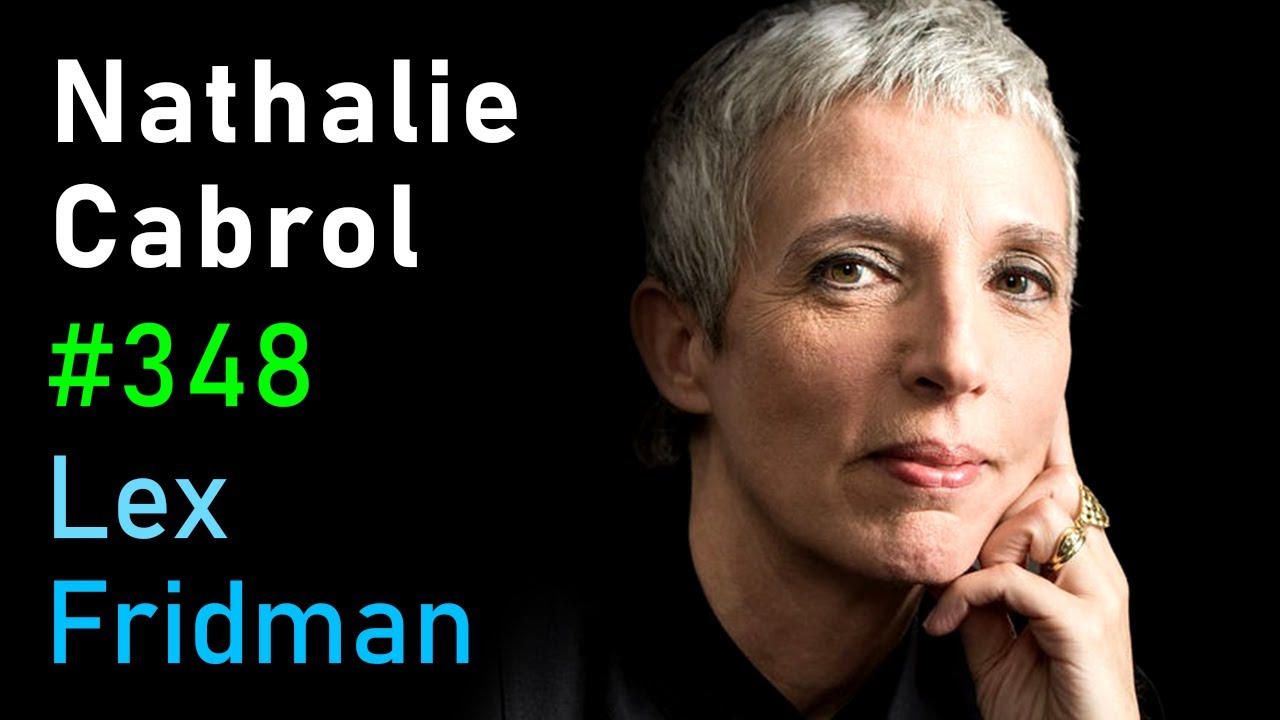 Nathalie Cabrol: Search for Alien Life
Shares panspermia
2h 6m
Nathalie Cabrol: Search for Alien Life
Shares panspermia
2h 6m
 Sara Walker: Physics of Life, Time, Complexity, and Aliens
More like this
2h 51m
Sara Walker: Physics of Life, Time, Complexity, and Aliens
More like this
2h 51m
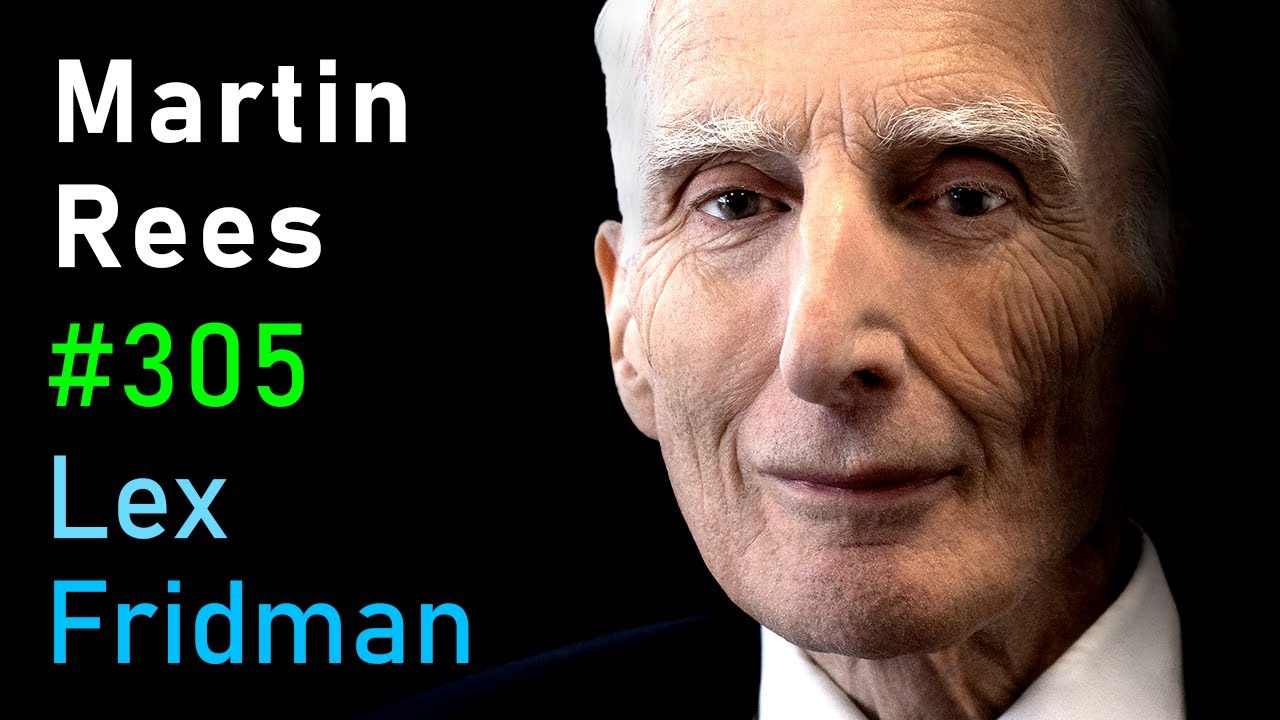 Martin Rees: Black Holes, Alien Life, Dark Matter, and the Big Bang
Shares cosmology
2h 13m
Martin Rees: Black Holes, Alien Life, Dark Matter, and the Big Bang
Shares cosmology
2h 13m
AI-generated summary · last refreshed 2026-06-05 23:53:47 · how we make these
Quotes are matched verbatim against the source transcript; references are checked to resolve to real URLs. Even so, AI can misread structure or attribute claims imperfectly. If you spot an error, please let us know.